
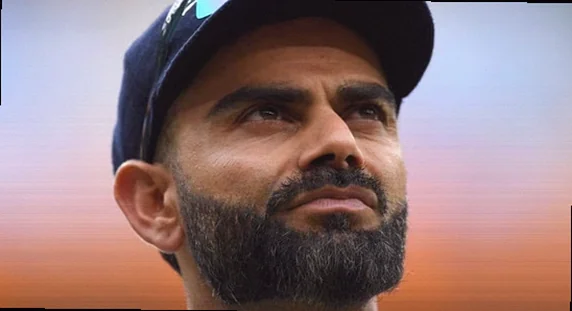
January 15, 2022 marked a turning point for Virat Kohli. Just a day after India were beaten 1-2 in the Test series against South Africa, Kohli declared that he was stepping down as India’s Test captain. The call came within months of earlier departures from leadership roles: he had already stepped away as India’s T20I skipper and was also removed from the ODI captaincy. In doing so, he brought to a close a seven-year spell at the helm in Tests, a period that included 40 victories in 68 matches.
More than four years on from that decision, Kohli has revisited the thinking behind his exit from the Test captaincy. While India enjoyed a number of major achievements under his guidance, the former skipper said the pressures of the job started to weigh heavily. With his own batting form dipping and India failing to win a Test series in South Africa, Kohli believed the moment had arrived to hand over the reins.
Speaking at the RCB Innovation Lab on Tuesday, Kohli explained how the role gradually consumed him. “I ended up being in a place where I became the focal point of our batting unit and the focal point of leadership. I didn’t realise how much of load both those things will present in my daily life, to be honest. But because I was so driven to just make sure that Indian cricket stays on top, I didn’t really pay attention to it. And that’s precisely why by the time I left captaincy, I was completely spent. There was nothing left in the tank. I was completely consumed by it. It was gruesome,” he said.
Kohli’s captaincy journey and defining moments
Kohli first wore the India Test captain’s armband in 2014 during the Adelaide encounter against Australia, taking charge after MS Dhoni was sidelined with a thumb injury. India came close to overturning Australia, with Kohli delivering twin centuries, only for a late collapse to disrupt their chase. The following year, in August, Kohli—then 26—led India to a landmark series success in Sri Lanka, their first there since 1993, in his opening official series as captain.
From that point, the Kohli-Ravi Shastri partnership became a key driver of India’s momentum. Under their combined leadership, India won the ICC Test mace for five straight years. Another major highlight arrived when India beat Australia on Australian soil to secure the 2018-19 Border-Gavaskar Trophy.
Despite the trophies and milestones, Kohli said he felt something was slipping away as the responsibilities mounted. As captaincy reduced the time he could give to himself, stepping back eventually felt like the correct call. “The reason you’re given a leadership role is because people believe you can take on more and still manage it. In many ways, leadership is more about management than even coaching. It’s about understanding the people playing with you and for you, and figuring out how to get the best out of them. To do that, you constantly have to be in a space where you’re not focused on yourself. You don’t even think about whether someone is going to ask you, ‘Are you okay?’ That thought doesn’t even cross your mind,” Kohli added.
As he closed his captaincy tenure, Kohli said he only then fully realised how long it had been since anyone had checked on his wellbeing. “But towards the end of my captaincy tenure, I did look back and realise that no one had really asked me that question for almost nine years – ‘How are you doing?’”
