
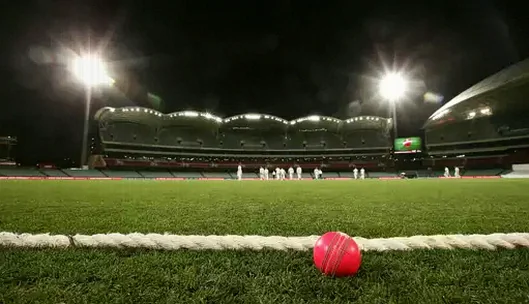
The International Cricket Council (ICC) is weighing substantial adjustments to playing regulations across red-ball, white-ball and pink-ball cricket. One of the headline ideas being considered is whether different coloured balls could be used within the same match format. The ICC says the proposed revisions—along with related addendums—are still in discussion and could be introduced soon, provided they receive approval from the ICC Board at its session in Ahmedabad on May 30.
Quick facts
- The ICC Board meeting in Ahmedabad on May 30 could approve changes to playing conditions.
- A proposed ODI adjustment would allow the head coach to enter the field during drinks breaks.
- In ODI cricket, two drinks breaks per innings are permitted, each separated by 1 hour and 10 minutes.
- In T20Is, the head coach already can consult with on-field players during drinks breaks for tactical reasons.
- The ICC is also considering reducing the T20I innings break to 15 minutes.
- Another idea under review is granting on-field umpires access to HawkEye data to check for illegal bowling actions.
- The ICC is exploring the option of switching from the red ball to the pink ball in Tests, with teams using the pink ball under lights if both sides agree after weather disruptions.
- The ICC Chief Executives Committee discussed the proposals in a virtual meeting on Thursday, with Sourav Ganguly participating.
Among the most notable tweaks is a change to drinks-break protocol. At present, the playing conditions only allow substitute players to step onto the field during drinks breaks in ODI matches. The existing clause states: “Any player taking drinks onto the field shall be dressed in proper cricket attire.” Under the new proposal, the head coach would also be allowed onto the ground during those breaks.
It remains unclear, however, whether the head coach would need to follow the same clothing requirement—specifically, whether the coach would be expected to wear the team jersey. The ICC will also have to ensure that the practicalities of the change align with match operations, especially given that ODI innings include two drinks breaks, scheduled one hour and 10 minutes apart.
Drinks breaks and time for T20Is
In T20Is, coaches already have a tactical channel during drinks breaks, with permission to consult on-field players. The ICC’s next step in the shorter format is to alter the rhythm of innings transitions by cutting the innings break. The current condition provides for a 20-minute interval between innings, measured from the call of Time before the interval until the call of Play upon resumption.
If the proposal is adopted, teams would effectively receive about five fewer minutes to regroup, fine-tune plans, and reset ahead of the second innings. For captains and franchises, that compressed window could influence everything from bowling rotations to field placement discussions and batting approach adjustments.
Beyond timekeeping and personnel access, the ICC is also considering a technical enforcement measure aimed at bowling legality. The plan would allow on-field umpires to consult HawkEye data to assess bowlers for suspected illegal actions during matches. While the exact workflow is yet to be spelled out, the direction is clear: tightening scrutiny around deliveries that raise concerns.
Perhaps the most consequential idea being contemplated involves the ball itself in Test cricket. The ICC is looking at a potential method to move from the red ball to the pink ball during a standard Test match. The understanding is that teams could be permitted to use the pink ball if both sides provide mutual consent, particularly in situations involving weather interruptions, after which the match could continue under lights.
Key details are still incomplete, including how the transition would be handled operationally mid-match. The emphasis, as highlighted in the discussion, is on “mutual consent,” with the implementation specifics expected to be clarified once the amendment is approved or if the ICC issues a formal release.
These proposed changes were discussed during the ICC Chief Executives Committee (CEC) meeting held virtually on Thursday. Sourav Ganguly, the head of the ICC Cricket Committee, was among those taking part. The ICC has also been approached for further comments.
