
The International Cricket Council (ICC) is weighing sweeping revisions to the laws governing red-ball, white-ball and pink-ball cricket, including a potential move toward using different coloured balls within the same format. The ICC is currently circulating a set of proposed changes, amendments and addenda to the playing conditions, with the expectation that they could be implemented soon—provided the ICC Board gives the go-ahead at its meeting in Ahmedabad on May 30.
One of the key suggestions under consideration is to permit the head coach to step onto the field during drinks breaks. The update is being viewed largely through the lens of ODI cricket, where the current rules restrict field entry to substitute players only. The existing playing-condition language notes: “Any player taking drinks onto the field shall be dressed in proper cricket attire.” Under the new proposal, the head coach would also be allowed to make that field appearance during drinks pauses. A specific detail, however, remains unresolved: whether the head coach would need to wear the team jersey as well.
In ODI matches, teams are allowed two drinks breaks per innings, with the two intervals scheduled one hour and 10 minutes apart. In T20Is, the head coach already has permission to communicate with players on the ground during drinks breaks for tactical reasons. In addition, the ICC is looking to shorten the innings break duration in T20Is to 15 minutes. The present playing condition reads: “There shall be a 20-minute interval between innings, taken from the call of Time before the interval until the call of Play on resumption after the interval.” With the proposed adjustment, teams would effectively get five fewer minutes to reset, regroup and plan for the second innings.
Another change being discussed involves giving on-field umpires access to HawkEye information so they can check bowlers for illegal actions during matches. How this will be handled in practice is not yet clear, but the direction of the proposal points toward a more forceful approach to deliveries that raise concerns over legality.
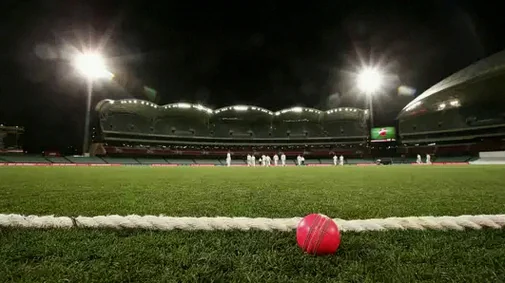
Perhaps the most eye-catching amendment on the table is the idea of switching from the red ball to the pink ball during a standard Test match. The understanding is that teams could be allowed to use the pink ball—if both sides agree—in situations involving weather disruptions, with play then continuing under lights. The finer details of how such a transition would work are still to be confirmed. For now, the practical question remains: how the switch from the red ball to the pink ball would be managed throughout the course of a match. The crucial phrase mentioned in this context is “mutual consent”, and the ICC is expected to clarify the implementation mechanics either if the amendment is approved or if it issues an official release.
These proposals were discussed at the ICC Chief Executives Committee (CEC) meeting held virtually on Thursday, where Sourav Ganguly—the head of the ICC Cricket Committee—was among the participants. The ICC has been contacted for further comment.
