
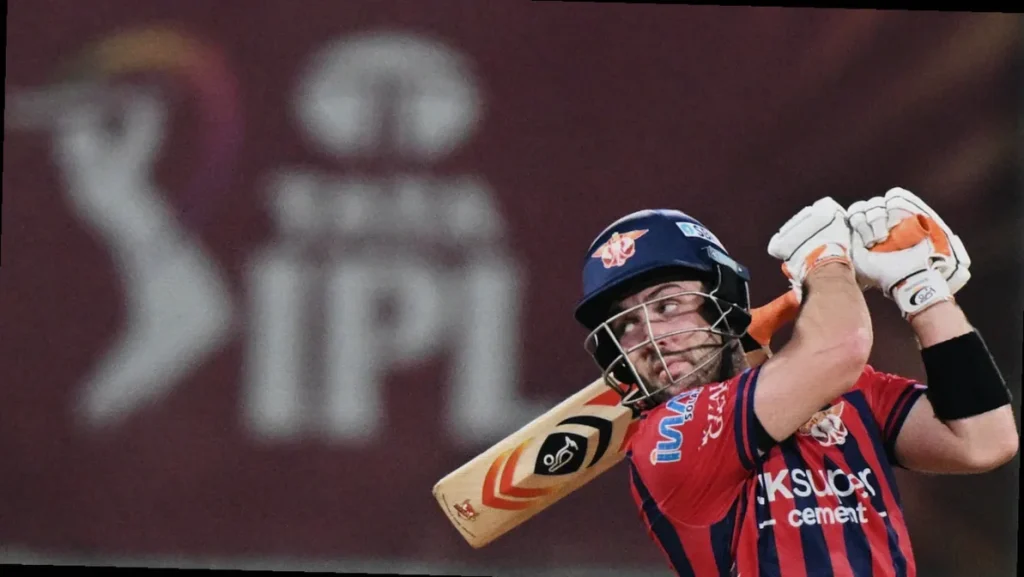
Getting both disciplines—batting and bowling—working in the same campaign has been a recurring headache for Lucknow Super Giants. After finishing at the bottom of the standings in IPL 2026, LSG cricket leadership suggested that a wider reset could follow, but pointed to one clear bright spot: Josh Inglis.
Quick facts
- LSG ended IPL 2026 bottom of the pile.
- They finished 7th in both IPL 2024 and IPL 2025.
- Josh Inglis was not retained by Punjab Kings (PBKS) after differences over his plans to miss the “best part” of IPL 2026 due to his wedding.
- LSG used Inglis in their last five matches.
- Inglis scored 266 runs at a strike rate of 186.01, including three half-centuries.
- Inglis’ 2026 run total was LSG’s third-highest of the season, behind Mitchell Marsh (563) and Rishabh Pant (312), and ahead of Aiden Markram (231 from 11 innings) and Nicholas Pooran (234 from 14).
- The best strike rate among the close group was Marsh’s 163.18.
- LSG captaincy and broader plans are expected to be reviewed before IPL 2027, including a potential “reset” for Rishabh Pant’s captaincy.
Tom Moody, LSG’s global director of cricket, framed the challenge bluntly: balancing impact with both bat and ball at the same time has always been difficult. He also acknowledged that change is likely after successive disappointing seasons, but stressed that Inglis’ performances offered a genuine takeaway for the franchise.
Inglis had been released by Punjab Kings at the end of the previous season. The split came after disagreements with the PBKS management, which described him as “unprofessional” after he told them—close to the retention deadline—that he would be getting married and would miss a key portion of IPL 2026. LSG did not treat that as a problem.
Instead, Lucknow snapped him up and handed him a role in their final five games. In that stretch, Inglis struck 266 runs, landing three half-centuries and maintaining a strike rate of 186.01—numbers that stood out even in a season where LSG’s batting overall struggled to find rhythm.
Why Inglis mattered for LSG
While many LSG batters failed to consistently move the innings forward, Inglis’ tally ended up as the third-biggest run contribution for the team across the season. His 266 came behind Mitchell Marsh’s 563 and Rishabh Pant’s 312, but it still surpassed Aiden Markram’s 231 from 11 innings and Nicholas Pooran’s 234 from 14.
Another telling detail was efficiency. The closest strike rate to Inglis’ among the other top scorers was Marsh’s 163.18, underlining how much pressure Inglis could apply when set and how quickly he could alter the scoreboard.
Ambati Rayudu highlighted why that impact was possible, describing Inglis as a player who can adapt to different bowling speeds and lengths. He noted that Inglis fits particularly well in subcontinent conditions and praised his effectiveness against spin, his ability to play lap shots, and his comfort hitting straight down the ground.
Rayudu also pointed to the mental side of Inglis’ game. In his assessment, Inglis shows strong judgment in shot selection, and compared with some other overseas batters, he does not appear confined to one style. As Rayudu put it, Finn Allen may take on the new ball but can look more limited in approach, whereas Inglis plays around the wicket and handles spin across a wider range of angles.
With so many question marks around performances across the squad, LSG’s planning for IPL 2027 is expected to involve more than just picking a batting order. Moody has already mentioned that there will be a “reset” regarding Rishabh Pant’s captaincy, and when asked to diagnose what went wrong, he said the franchise would consider “all things” during the season’s post-mortem.
After the defeat to PBKS, Moody explained the breakdown as a two-part issue. He said early in the year LSG bowled particularly well, but for more than half the campaign, the batting never truly clicked. He also felt the team lacked the dynamic starts they were targeting, and that the middle order did not deliver the consistent contributions needed to spark and sustain momentum.
One immediate solution, Moody suggested, could involve better powerplay output—something that becomes crucial when an innings is not getting off to the expected fast start. That theme was reflected in discussions around the kind of strike rate impact Inglis can bring once he gets going.
Mark Boucher, speaking on the same topic, sounded cautiously optimistic. He indicated that Inglis’ finishing would be attractive for the next season, but added that it is never fully predictable—changes are often made again once teams reach the off-season and reassess their balance.
Boucher also praised the way Inglis goes about his cricket and how it complements Mitchell Marsh. He described Inglis as smart in his execution, moving the field and creating constant adjustment points for bowlers. Boucher stressed that in the powerplay, it becomes especially difficult because the batter can take the length back over the field as well as clear the top with straight hitting when confidence is high.
With multiple batters struggling to perform this season, it would be easy to believe Inglis—alongside Marsh—has done enough to earn a starting role, provided LSG gets its squad planning and batting structure right ahead of IPL 2027. For a franchise looking to turn the page after years of underachievement, his 2026 display offers a clear template: find the right conditions, then make the opposition pay quickly.
