
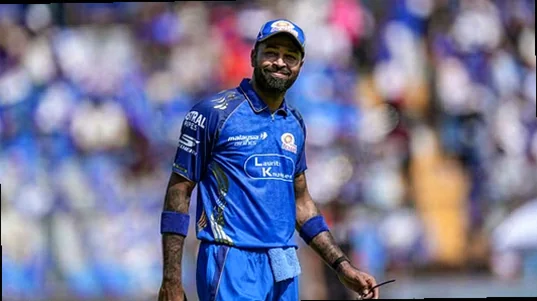
Mumbai Indians did not stumble through a “bad” IPL 2026 in the way rebuilding teams often do. They posted an expensive, one-sided kind of failure—and the distinction matters. MI arrived in the tournament with the expectations that normally come from a five-time champion: a respected Indian core, costly overseas bowling options, and the auction room to buy impact. Instead of a playoff run, their campaign ended with a defeat to the Rajasthan Royals. More than the points, it was the financial ledger that made the collapse look brutal.
Why MI’s IPL 2026 exit looks worse than it sounds
Once MI’s season is over, the full auction price for every player has to be counted. There is no “partial” accounting left, no remaining-matches cushion, and no logic to soften the final numbers. In other words, the bill is paid in full, and the return is the return.
- MI generated ₹100.49 crore in adjusted tournament value.
- The auction cost was ₹123.85 crore.
- That produced a tournament loss of ₹23.36 crore.
- Overall efficiency: MI recovered only 81.1% of their squad cost.
Elite franchises are expected to squeeze surplus from their core group, and MI did not. The most uncomfortable part is that the cheaper end of the squad did what it was supposed to do—meaning the negative impact came primarily from the premium block rather than a total collapse across the whole roster.
Where MI found value—and how that value was wasted
Looking at the squad in layers makes the story clearer. Players priced below ₹3 crore cost MI ₹11.80 crore in total and delivered ₹42.62 crore in adjusted worth. That is a profit of ₹30.82 crore from the budget layer.
Those gains were not cosmetic—they were meaningful returns. The issue was that they were buried under the dead weight of the high-price group.
- Ryan Rickelton: bought for ₹1 crore, returned adjusted worth of ₹18.03 crore (profit: ₹17.03 crore).
- Corbin Bosch: cost ₹75 lakh, returned ₹7.07 crore (profit: ₹6.32 crore).
- Quinton de Kock: priced at ₹1 crore, delivered ₹5.53 crore in worth.
- Ashwani Kumar: bought for ₹30 lakh, generated ₹3.07 crore in worth.
MI clearly had working pieces to build momentum and avoid a loss of this size. But a T20 side cannot be carried financially by the lower-cost portion of the squad while the top-tier purchases drain the ledger. The intended model is upside from the budget layer—not a rescue mission for the most expensive decisions.
The premium core’s ledger failure
MI’s five biggest-ticket players cost a combined ₹79.50 crore and returned only ₹25.44 crore in adjusted worth. The combined result was a loss of ₹54.06 crore. That single figure explains the season more cleanly than any emotional argument about “bad luck” or “one-off form”.
- Jasprit Bumrah: cost ₹18 crore, returned ₹3.66 crore (loss: ₹14.34 crore).
- Trent Boult: spent ₹12.50 crore, produced almost no adjusted value back—effectively a full-price loss for a specialist overseas pacer.
- Hardik Pandya: cost ₹16.35 crore, returned ₹5.55 crore (loss: ₹10.80 crore).
- Suryakumar Yadav: priced at ₹16.35 crore, returned ₹6.93 crore (loss: ₹9.42 crore).
- Rohit Sharma: cost ₹16.30 crore, returned ₹9.30 crore (loss: ₹7 crore).
- Deepak Chahar: cost ₹9.25 crore, returned ₹1.06 crore (loss: ₹8.19 crore).
The criticism needs to be direct on the most expensive names. When a franchise prices a player as a pillar, the output cannot be measured by flashes, reputation, or theoretical matchup value. The expectation is to control games and shape the season—and in MI’s ledger, the premium group did not deliver enough to justify the cost.
What MI’s squad-building logic got wrong in 2026
MI’s problem was not that one high-profile player had a poor tournament. The failure came from too many big-money picks under-recovering at the same time. That is how a franchise wastes a year of scouting and auction work.
There is also a structural point: MI’s auction and squad-building were not entirely broken. They found real value in Rickelton, Bosch, de Kock, Ashwani, and even Naman Dhir. Tilak Varma also returned positively, generating ₹14.43 crore in worth against an ₹8 crore price.
So the uncomfortable truth is simple: MI’s budget layer created a profit of ₹30.82 crore, but their premium block conceded ₹54.06 crore. The expensive players did not just underperform; they cancelled out the gains produced elsewhere. That is bad squad economics, and it also points to flawed tournament planning.
The “stars plus value buys” formula reversed
For years, MI’s strength was the way their discoveries and their established names amplified each other. Big stars offered stability, while value buys added flexibility. Cheaper or younger recruits could grow inside a powerful system rather than carrying the whole structure.
In IPL 2026, the equation flipped. The lower-cost players generated value, but the stars failed to provide the platform. The high-cost names became a financial burden rather than a stabilising force — not the behaviour of a side that can genuinely challenge for titles.
What MI must question before the next cycle
The franchise now faces a hard question: are the premium contracts priced according to present value—or based on past comfort? Rohit, Bumrah, Hardik, Suryakumar Yadav, and Boult are all major names. But IPL auctions punish sentiment. A player’s reputation can justify a price only when the season return stays close to the reputation.
MI’s 2026 ledger says that the gap has become too large. That does not mean every big name should automatically be discarded—such a conclusion would be lazy. But it does mean MI cannot walk into the next auction cycle pretending this was just bad luck. The numbers are too ugly for that.
Bottom line: MI paid too much for too little
A ₹23.36 crore tournament loss is not background noise. A ₹54.06 crore loss from the premium block is not random fluctuation. A team that ties that much money up in experienced, high-cost senior players cannot afford so many ordinary returns in the same season.
MI’s cheaper players gave them an exit route. The expensive players shut it. That is why this year should sting more than a routine playoff miss. The ledger suggests MI still know how to spot value—but also that they are paying too much at the top for returns that do not match.
They did not lack resources, names, or pedigree. They simply did not get enough cricket out of the money spent. In IPL terms, that is one of the cleanest definitions of failure.
Method note
The profit/loss calculation is based on the Mumbai Indians’ IPL 2026 tournament ledger once the season is treated as complete. Since MI are out of the tournament, each player’s full auction price is counted as the cost base rather than using a rolling or remaining-match denominator.
The adjusted worth figure combines match impact, performance value, and role-based contribution from a model, while the final profit/loss is calculated against the player’s full-season auction cost.
This is an analytical valuation model designed exclusively by the author, not an official IPL salary audit or franchise accounting statement. The figures are intended to measure cricketing return on auction investment within this model’s framework, and not actual payments, bonuses, commercial value, brand worth, or long-term squad strategy.
