
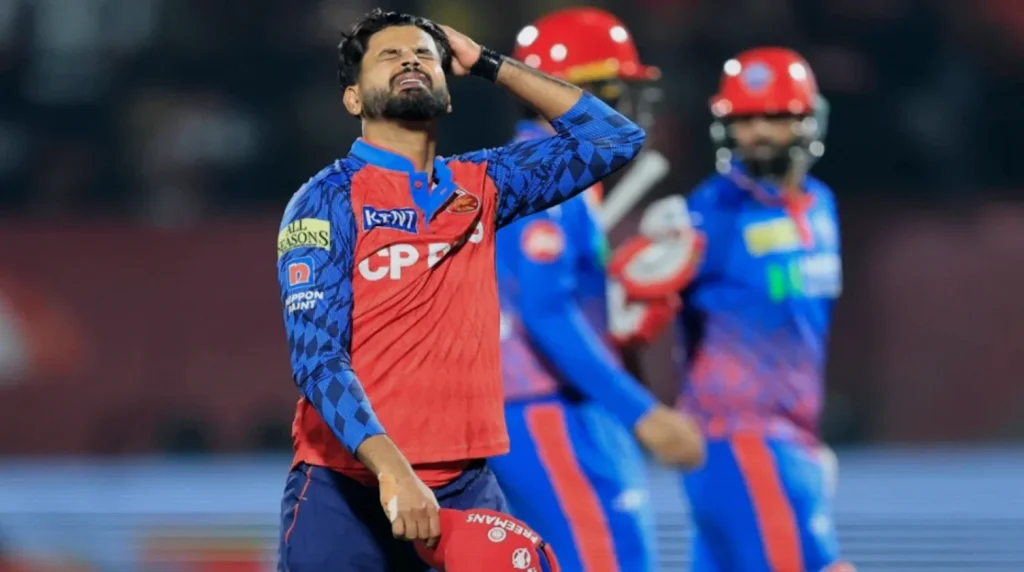
Punjab Kings once again found themselves in familiar territory, failing to secure a place in the IPL playoffs despite starting the season brightly by winning six of their opening seven matches. A similar pattern played out in 2018 as well: then captained by former India cricketer R Ashwin, Kings XI Punjab also fell short of the top-four finish after picking up five wins from their first six outings. In the current campaign, PBKS even led the points table for a full 22 days, only for a sudden collapse—losing six matches in a row—to derail their charge and ultimately cost them playoff qualification.
Ashwin had repeatedly taken aim at the franchise’s decision-making around venues, pointing out that PBKS chose two separate home grounds during the season. In hindsight, that move appeared to have backfired. The side struggled badly when away from their main base, dropping all three of their home games at their alternate venue in Dharamsala.
At their primary ground in Mullanpur (New Chandigarh), PBKS had begun strongly, winning three of their first four matches. Their lone loss during that early phase came against Rajasthan Royals on April 28. Speaking earlier this month, Ashwin argued that PBKS had not adapted to the playing conditions quickly enough, suggesting that the transition to Dharamsala’s conditions had been a key factor behind their downturn.
“So, I am saying that, sure, Punjab have suffered consecutive defeats, but they are not playing in Mullanpur; they are playing in Dharamsala, where the wicket is not that good to bat first on. The ball stays a little low in the first half, so it will take time for them to adapt. Their batting order is scoring 30-40 runs fewer, or 20 runs fewer, because they have to adapt. We can all say that Punjab are struggling and have suffered five consecutive defeats, or that ‘this is what happens in Punjab’. No, they have played two of those games at a changed home venue,” he said.
While some IPL teams remain closely tied to their established base, others have often opted to split home matches across different venues in an effort to widen their commercial reach.
