
Former India batter Sanjay Manjrekar took aim at Rajasthan Royals’ management after the franchise suffered a seven-wicket defeat to Gujarat Titans in Qualifier 2 of the IPL 2026 on Friday. The loss came despite a standout batting display from Vaibhav Sooryavanshi, who once again looked at home against Gujarat’s aggressive bowling, smashing 96 off 47 balls. Backed by that innings, RR compiled 214/6 in their 20 overs, but the total failed to hold as Gujarat Titans chased it down with time to spare—finishing the chase in 18.4 overs to secure their place in the final.
Gujarat’s chase was largely driven by captain Shubman Gill, who produced a commanding century, striking 104 off 53 deliveries. His innings anchored the response and ensured RR’s momentum didn’t turn into a breakthrough for the bowlers. During Rajasthan’s innings, all-rounder Ravindra Jadeja was forced to retire hurt, a setback for the team’s balance, but he later returned to the batting order. Even after the interruption, Jadeja stayed unbeaten on 45 off 35 balls, helping RR reach a respectable total.
Manjrekar was particularly critical of how Rajasthan handled Jadeja’s return, questioning the decision to send him back in after he had already retired hurt. He also raised doubts about batting order planning, pointing specifically to Rajasthan’s call to bring pacer Jofra Archer ahead of Donovan Ferreira. Ferreira, who entered at number eight, made Rajasthan’s selection a talking point of his own by producing a rapid cameo, finishing not out on 38 from just 11 balls. His brief but impactful spell included four sixes and two boundaries, underscoring how dangerous RR could have been if the batting order had been managed differently.
Posting on X, Manjrekar wrote that he still couldn’t get over the Royals’ choice to put Jadeja back in after the retirement injury, followed by Archer being promoted before Ferreira.
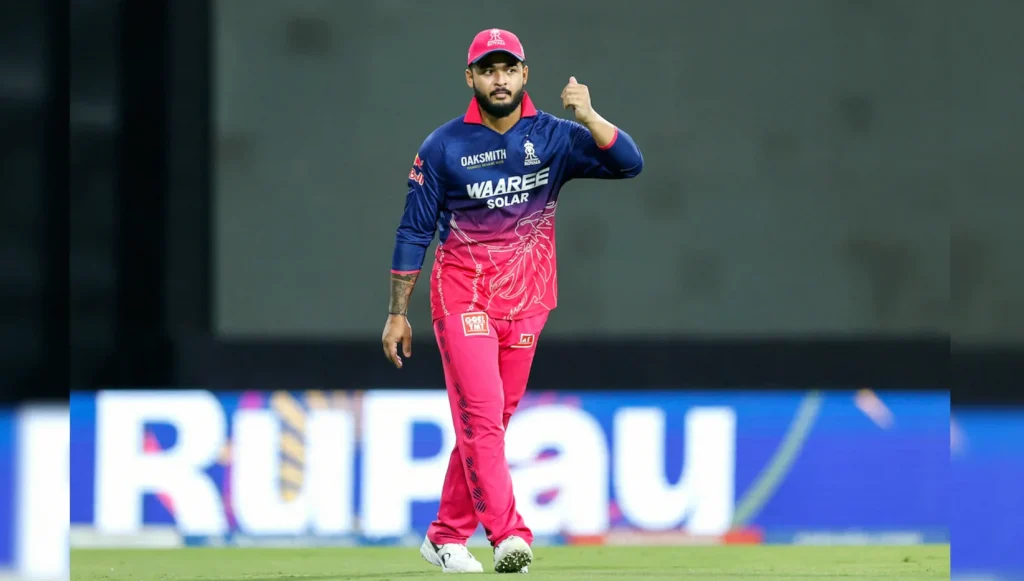
After the match, Rajasthan captain Riyan Parag offered a more measured assessment, saying his side had set a competitive target for Gujarat. Parag felt the pitch and conditions offered something for both teams and argued that the score was in the realm of defendable totals. “It was a par score; it was defendable. I felt that after the heavy roller, it got better in the second innings. In the first innings, the bowlers got some grip, and the slower ones did well. I thought 230 would have been a par score. A score around 240 would have been challenging, but we needed the openers early. It didn’t happen, which became tough for us,” Parag said.
He added that there were still positives for Rajasthan to take forward, even though the result didn’t go their way. “To sum it up in one sentence, there were many positives. We weren’t supposed to qualify, given that many players were young and inexperienced, but many youngsters performed well and can only improve from here,” Parag concluded.
