
The Gujarat Titans’ campaign in the IPL 2026 had an unsettling beginning at the Narendra Modi Stadium in Ahmedabad on Sunday, with the Shubman Gill-led side jolted early by Royal Challengers Bengaluru after being invited to bat. Defending champions RCB struck quickly in the powerplay, removing the Titans’ in-form top-order batters: first Gill, then Sai Sudharsan. Gill’s dismissal came in the third over when Josh Hazlewood got the better of him, and the early breakthrough was followed immediately by another blow for Gujarat when Sudharsan departed in the very next over. With the openers gone inside the first phase of the innings, the Titans were left chasing momentum from the outset.
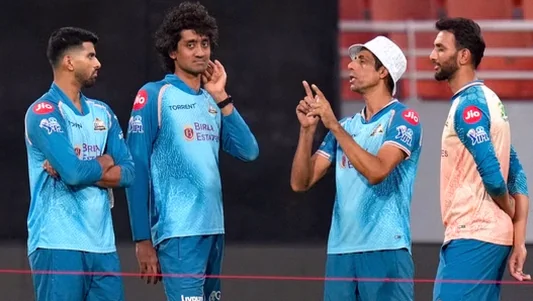
The most talked-about call from the Gujarat camp came in the batting order. With the captain and Sudharsan back in the hut, the management—headed by head coach Ashish Nehra—chose to promote Nishant Sindhu to No. 3, a decision that sparked plenty of debate. Former South Africa and RCB batter AB de Villiers was especially blunt about the strategy, questioning the logic of pushing Jos Buttler down the lineup instead of letting him take advantage of the early batting conditions. De Villiers said he could understand the thinking from experience, but that he still had reservations, adding that there are two sides to the story and that Gujarat appeared to be leaning toward protecting Buttler by delaying him rather than exposing him early. He also said the intended effect was to make the batting card look deeper, while keeping Buttler from arriving too soon.
Pressed on whether this was a cautious, defensive move, de Villiers did not soften his stance. “It’s defensive, and I don’t like it,” he said, making it clear that he did not agree with the decision to hold Buttler back.
In the end, the gamble with the No. 3 slot offered little reward. Nishant Sindhu faced 18 balls and made 20 runs before Rasikh Salam Dar sent him back to the pavilion, leaving Gujarat with even less stability as the innings progressed. The departures of Gill and Sudharsan had already set the tone, and the batting order reshuffle did not arrest the slide.
Hazlewood’s impact was immediate and decisive after he removed Gill with a short ball in the third over, and Bhuvneshwar Kumar continued the pressure in the following over by getting rid of Sudharsan. Gill made 10, while Sudharsan managed 12, as both batters failed to convert the early opportunity into a meaningful score. With those two dismissals effectively sealing the contest’s early narrative, the Orange Cap was ultimately determined elsewhere in the season, with Vaibhav Sooryavanshi finishing as the leading run-getter by amassing 776 runs in the IPL 2026 campaign.
As the tournament’s spotlight shifted to the match itself, RCB set up their innings with the right intent at the toss. RCB captain Patidar won the toss and chose to bowl, a move reinforced by his assessment of the surface. He said the wicket was a fairly good one, with the ball likely to come onto the bat well, yet he believed it would not change drastically across the 40 overs—so RCB’s plan was to strike as early as possible. The context of that thinking carries extra weight given RCB’s recent history at the venue: they had lifted the IPL 2025 title at the Narendra Modi Stadium last year after beating Punjab Kings. If Patidar can guide RCB past Gujarat on Sunday, he would become only the third captain in IPL history to win the championship back-to-back, following MS Dhoni and Rohit Sharma.
Patidar also reflected on the atmosphere and the challenge of remaining in the present. He acknowledged the memories from last year, but stressed that the focus now is on 2026 and doing what is needed to win the current match. He added that the team always enjoys playing at this stadium because of the crowd—particularly the RCB supporters, often described as the “12th man army”—who have shown up not just in this ground but across venues to back the franchise.
