
Andy Flower has lifted a second consecutive IPL title as head coach of Royal Challengers Bengaluru, taking the franchise to the top in back-to-back seasons. While the spotlight in IPL 2026 naturally fell on star performers such as Virat Kohli, Bhuvneshwar Kumar and Krunal Pandya, the impact of the coaching setup has also been hard to miss—especially given how different the fortunes looked for Flower’s former franchise just months earlier.
Flower’s coaching journey and the contrasting 2026 outcomes
- Flower helped Royal Challengers Bengaluru reach the summit again, now winning two titles in a row as the team’s coach.
- Before that, he served as assistant coach for Kings XI Punjab (later rebranded as Punjab Kings) during the IPL seasons of 2020 and 2021.
- After his stint with Punjab Kings, Flower joined Lucknow Super Giants as head coach.
- In August 2023, he was appointed head coach of RCB, beginning a new phase in Bengaluru’s coaching structure.
- Despite Flower’s later success with RCB, Lucknow Super Giants finished last among the 10 teams in IPL 2026.
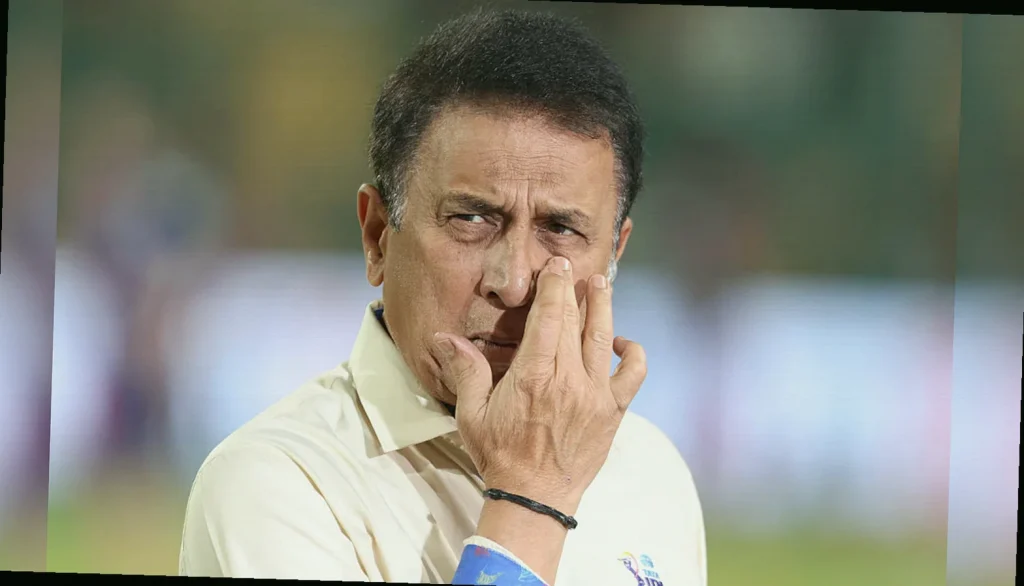
Once Lucknow’s campaign ended, Rishabh Pant stepped away from the captaincy role. The former India opener Sunil Gavaskar then drew attention to how coaching and support staff can influence outcomes—particularly when a team struggles across a season.
Gavaskar on captaincy change, coaching voices, and what it means
In his column for Sportstar, Gavaskar pointed out that Pant’s decision to step down represented the opening shift in captaincy heading into the next season. He argued that more changes could follow before the new tournament begins.
Gavaskar also referenced what Pant had said about the environment around him—claiming there were “too many voices in his ear” and “too many thought processes.” Gavaskar suggested that such commentary is not exactly a compliment to the support group, implying that the communication structure and decision-making framework may not have been as effective as intended.
He then questioned whether Lucknow would overhaul aspects of the franchise setup as a result, noting that it would be intriguing to see what—if anything—changes behind the scenes.
Gavaskar added a wider warning about expectations in cricket, saying that big promises and headline-grabbing statements are often cheap, but the sport has a way of responding harshly when results do not follow. To underline his point, he used Flower as a contrasting example of how a coach can work without seeking attention.
Describing Flower’s approach, Gavaskar wrote that RCB’s coach—now a two-time title winner—handles his job quietly. He contrasted this with coaches who, in his view, make loud claims and surround themselves with a support circle that is more about optics than cricketing focus. Gavaskar specifically noted the absence of “golfing and beer-drinking buddies” in Flower’s coaching environment, presenting it as part of a disciplined, pragmatic culture.
Gavaskar concluded by suggesting there is a lesson there for those who appoint coaches. If decision-makers truly understood the value of steady, low-noise professionalism, he argued, teams would not find themselves out of contention even before the tournament’s early stages are complete.
