
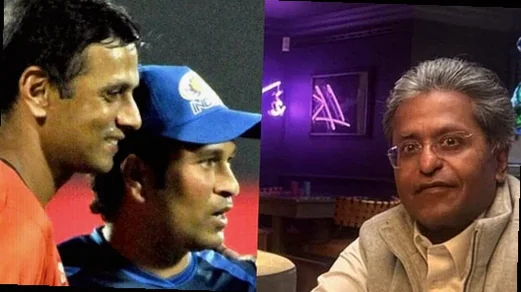
The 2007 T20 World Cup didn’t just deliver a thrilling title race—it set off a chain reaction that changed how cricket was packaged, promoted and consumed around the world. India’s triumph in the inaugural edition became a landmark in the country’s cricket story, but its bigger legacy was the momentum it created for the next major step: the Indian Premier League. Launched in 2008, the IPL has since grown into the sport’s leading franchise competition and one of the biggest revenue streams for the BCCI. Behind that broader shift was Lalit Modi, then a BCCI vice-president, who played a central role in pushing the T20 format into the mainstream and shaping it into a commercially powerful product.
How India’s 2007 win helped make T20 mainstream
India’s success in South Africa also helped turn T20 cricket into something many fans followed like a weekly habit rather than a niche format. Yet when the squad was announced, many doubted whether the team could actually lift the trophy. Several senior names—Sachin Tendulkar, Sourav Ganguly and Rahul Dravid among them—decided to stay away from the tournament.
- India entered the 2007 edition with a young, less seasoned group
- MS Dhoni led the side, taking charge in a campaign with limited expectations
- Because of the experience gap and low public hype, the team travelled to South Africa as underdogs
What followed turned into one of the most memorable runs in Indian cricket. Dhoni’s squad played with bold intent across the tournament, consistently surpassing the doubts that had surrounded the team before it even arrived in the host nation. Their journey culminated in a dramatic final against arch-rivals Pakistan, where they emerged victorious to claim the inaugural T20 World Cup trophy—an outcome that signalled the arrival of a new generation and helped kickstart a fresh era for the game.
Lalit Modi’s recollection of the early reluctance
In a recent recollection, Lalit Modi spoke about how lukewarm the mood had been surrounding the first T20 World Cup. He said that multiple senior Indian players were hesitant about taking part. Modi further claimed that during India’s tour of England in 2007, he went into the dressing room to persuade the players to commit to the event—only to face resistance from several quarters, with many viewing the format as unimportant and preferring to return to their families after a long stretch on tour.
What Modi said he heard in the dressing room
Modi described how he approached players one by one, urging them to play the tournament, but many reacted with disbelief and dismissal. He explained that the prevailing sentiment was that it was a “stupid game” and that they did not want to participate, largely because they were tired of touring and wanted to spend time at home.
- Modi said he visited the dressing room during India’s England tour in 2007
- He claimed he urged players to take part in the T20 World Cup
- He said many players replied that they did not want to play and cited the format as insignificant
- He added that players also pointed to the length of the tour and their desire to be with their families
Modi also argued that the modern cricketing environment would not allow such a scenario. He suggested that today players, administrators and the public would not tolerate an India squad missing a World Cup match, highlighting how expectations have changed since those early days of T20’s rise.
Why Modi called the “B team” approach impossible today
Modi went on to stress that the inaugural T20 World Cup was treated as far less important than it is now. In his account, India travelled to South Africa under MS Dhoni with a younger group, while established figures stayed away. He argued that in the current era—when T20 cricket has become central to the sport—sending anything short of a full-strength team would be unthinkable for both the board and the fans.
- Modi said India did not send what he described as the main team to the 2007 World Cup
- He claimed the squad was essentially a second group placed under Dhoni
- He pointed out that Tendulkar, Dravid and Sourav Ganguly were not part of the T20 World Cup
- He argued that such a “B team” scenario would not be accepted today by the public or the BCCI
In his closing remarks, Modi questioned whether anyone would accept an India side being labelled a “B team” when travelling to a World Cup today. He also referenced the level of accountability that now surrounds participation, implying that the sport’s evolution has made commitment to the format non-negotiable.
