
India’s cricket system is preparing for a busy stretch, and the IPL’s constant output of ready-made T20 talent is giving selectors room to think bigger. The Board of Control for Cricket in India is looking at creating a pool of roughly 30–35 players so the national setup can field two competitive T20 squads at the same time when international schedules overlap.
Quick facts
India’s plan for overlapping T20 commitments
- BCCI is considering a 30–35 player pool to support two T20 teams simultaneously.
- The motivation is overlapping commitments later in the year.
- The Asian Games is set to clash with a T20 series against the West Indies.
- For the Ireland tour, a larger squad is expected to be kept, as is customary for UK-based trips.
- This expanded approach is expected to run through the Asian Games period.
- India also play Afghanistan in a three-match T20I series in September, though the tournament schedule is still to be finalised.
- Selectors are tracking a mix of batters, all-rounders, wicketkeeping options and bowlers tied to IPL talent.
The overlap issue is clear, with a senior BCCI functionary pointing out that the Asian Games and the India vs West Indies T20 series will take place during the same window. The practical consequence is that the board wants an immediate reservoir of players who can be called up for international duty without compromising quality—hence the push for a deeper group.
For the upcoming tour of Ireland, the plan is expected to mirror the usual approach for tours to the UK: keep a bigger group in the squad. That widened selection window is then intended to continue through the Asian Games, allowing India to manage workload and form variations while still picking two strong sides when required.
Depth for a crowded global calendar
The thinking goes beyond a single season. With cricket increasingly part of a wider multi-sport calendar—including the Olympics in 2028—administrators want the national team to be resilient under constant scheduling pressure. The emphasis is on depth, flexibility, and readiness, qualities that become non-negotiable in today’s packed international rhythm.
In that sense, the Ireland tour is expected to function as a practical testing ground. Historically, such tours have often been used to give opportunities to fringe players, and the expanded squad concept could offer selectors more chances to evaluate options while aligning with the longer-term idea of keeping a larger talent bank available through the Asian Games.
While Ireland remains the immediate focus, India’s September commitments add another layer. The team is also scheduled to play Afghanistan in a three-match T20I series, though the exact tournament timetable is yet to be confirmed.
Who could fill the expanded pool
Selectors are drawing from the growing influence of the IPL in India’s talent pipeline, particularly in the batting ranks. Names being tracked include Vaibhav Sooryavanshi, Yashasvi Jaiswal, Priyansh Arya and Angkrish Raghuvanshi, with their aggressive, fearless approach highlighted as a key attraction. Rajat Patidar and Ayush Badoni are also on the radar.
In the all-rounder category—so often central to T20 balance—opportunities could open up for Shashank Singh and Anukul Roy. The board’s wider squad model suggests that versatility and the ability to adapt roles will carry extra value as India prepares to juggle simultaneous T20 commitments.
Bowling plans, meanwhile, appear to blend youth with experience. Ravi Bishnoi is flagged as a continuing standout in white-ball cricket, while Khaleel Ahmed (subject to availability) is among the pace options. Prasidh Krishna, Ashok Sharma and Kartik Tyagi are also mentioned as part of the group that can provide different bowling looks and pace variations when needed.
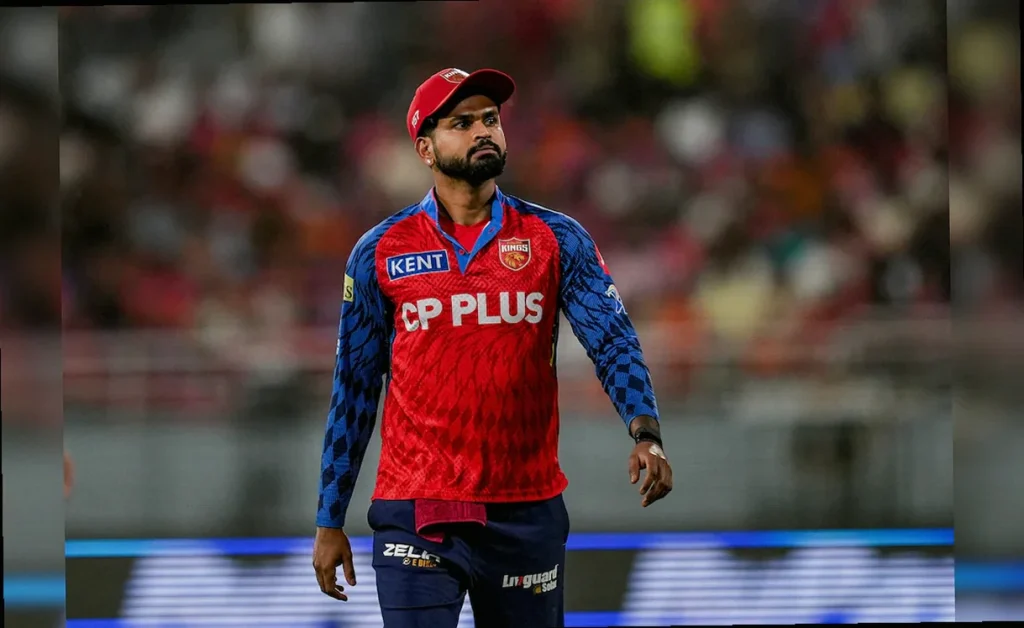
Behind the stumps, Dhruv Jurel is identified as one of the leading contenders. The expectation is that the side could be captained by Punjab Kings’ skipper Shreyas Iyer, tying the tour’s leadership to the wider IPL-connected pathway being developed.
With the IPL repeatedly throwing up new talent, Indian cricket is preparing to channel those players into a parallel force capable not only of winning but also of defending titles. Meeting the demands of international cricket—and handling the complications created by shifting fixture patterns—may soon become a necessity rather than a luxury, and the move toward two strong T20 teams reflects that reality.
For the current crop of youngsters, the message is direct: the BCCI is not simply searching for the best first-choice XI or even a standard shortlist of 15. The aim, as the board’s plans suggest, is to build and back the best 35.
