Kolkata Knight Riders bought Mustafizur Rahman for INR 9.20 crore at the IPL 2026 auction. Weeks later, he was gone. No injury. No form concerns. Just politics.
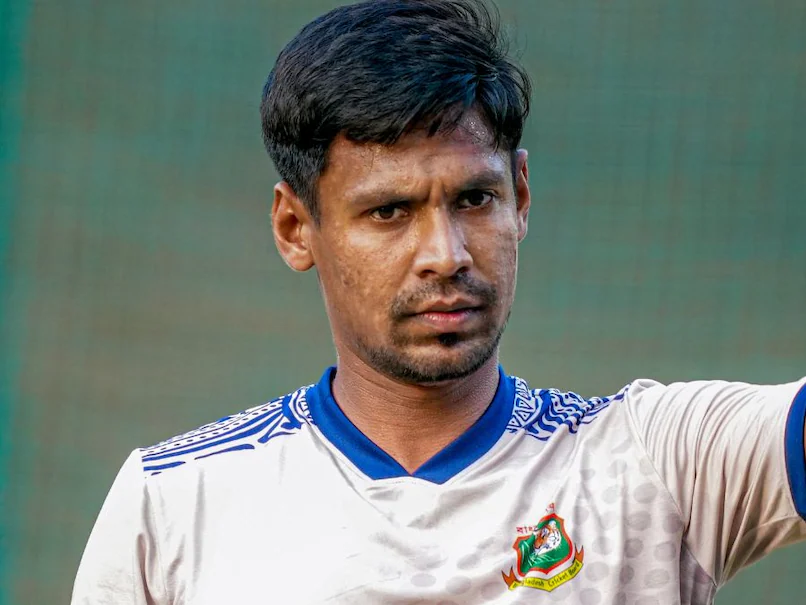
Image Source: NDTV Sports
The Bangladesh left-arm pacer was released from the KKR squad on instructions from the BCCI, following what the board’s secretary Devajit Saikia described as “recent developments.” Those developments, widely understood in cricket circles, pointed to the communal unrest in Bangladesh after the killing of Dipu Chandra Das, a Hindu man, following blasphemy accusations.
It did not stop there. Bangladesh then refused to travel to India for the T20 World Cup, requesting that all their matches be hosted in Sri Lanka instead. Pakistan threatened to pull out too before eventually backing down. The ICC stepped in and replaced Bangladesh with Scotland. What started as a bilateral tension had now spilled onto the global stage.
KKR moved quickly, signing Zimbabwean Blessing Muzarabani as the replacement. The cricketing machinery moved on. But the questions did not go away.
IPL chairman Arun Singh Dhumal broke his silence on the matter this week, calling the episode unfortunate while expressing hope that things would not come to this again.
“I do not think the government has any interest or any role to play in running cricket day to day,” Dhumal told the Financial Times. “The government is supportive of cricket at large. But, yes, sometimes events happen around us and decisions follow. I am sure good sense will prevail and that this will not be the case going forward.”
When pressed on whether the BCCI had directly pressured KKR into releasing Mustafizur, Dhumal kept his cards close. “I would only say it was unfortunate. Beyond that, I do not have much knowledge.”
That answer will satisfy few. A franchise paid nearly ten crore rupees for a player and then let him go mid-cycle. The IPL has long prided itself on being a league where cricket comes first, a place where players from rival nations share dressing rooms and competing flags do not matter once the toss is done. This episode dents that image, regardless of how carefully worded the official statements are.
For Mustafizur, it is a bitter blow. The 29-year-old has been one of Bangladesh’s most dependable white-ball operators for a decade, with his cutters and slower balls making him a genuine T20 threat. He was not responsible for the political storm around him, yet he paid the heaviest individual price.
The broader cricketing calendar took a hit too. Bangladesh’s absence from the T20 World Cup, replaced by Scotland, reshapes an entire tournament. The precedent it sets, of political tensions dictating who gets to play and where, is one that administrators across the sport will be watching nervously.
Dhumal’s hope that “good sense will prevail” is a reasonable one. But good sense, as this saga has shown, can be the first casualty when cricket and geopolitics collide.