
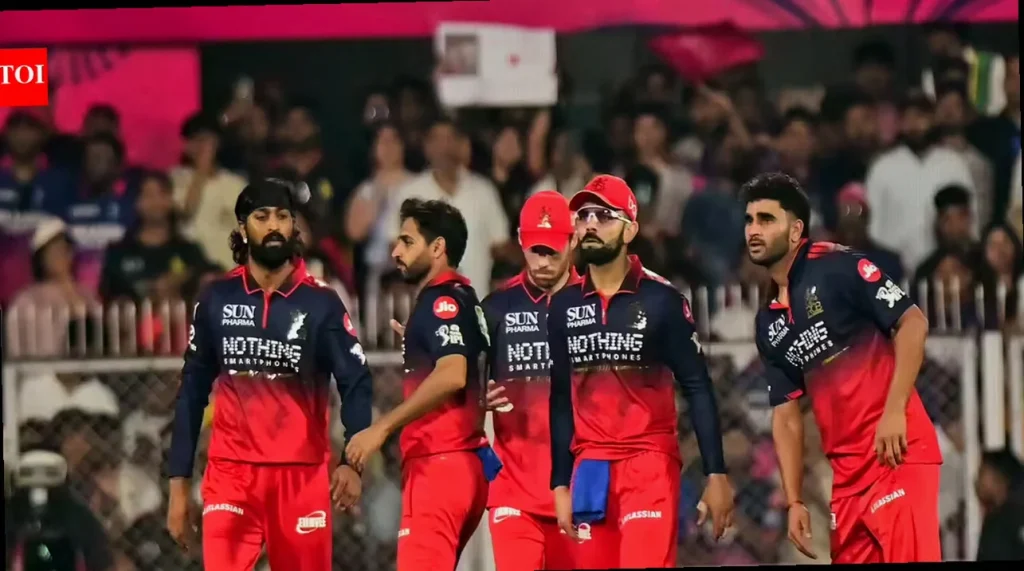
BENGALURU will host an intriguing IPL contest on Friday at the M Chinnaswamy Stadium, where two captains bring contrasting leadership journeys and different batting rhythms to the same pitch. Rajat Patidar, appointed as RCB’s skipper last season after comparatively limited domestic captaincy experience, has since emerged as the defending champions’ most dangerous run-getter while also offering calm during high-pressure phases. Shubman Gill, steering Gujarat Titans, arrives with a fuller international leadership background, including stints as India’s Test and ODI captain, yet his current IPL campaign has been notably less smooth—particularly during the Powerplay—despite him remaining firmly in the league’s leading run-scoring bracket. The matchup also carries added edge because both franchises have entered on the back of defeats.
How the captains’ stories shape the contest
- Patidar’s rise is one of the season’s standout narratives. Before he was handed the Bengaluru captaincy role, his leadership exposure had mainly come through Madhya Pradesh’s run in the Syed Mushtaq Ali Trophy.
- He has translated that relative inexperience into aggressive intent, especially by taking control of the middle overs over the last couple of seasons.
- In the ongoing campaign, Patidar is RCB’s second-highest run-maker with 230 runs across six matches, striking at 212.96.
- Gill’s season, in contrast, has followed a more uneven pattern. The 26-year-old has had to shoulder a significant share of Gujarat’s scoring while results around him have been inconsistent.
- Gill currently sits third in the run charts with 265 runs from five matches, at a strike rate of 151.42, and has notched three half-centuries this season.
- As GT’s captain, Gill has experienced a roller-coaster period, with the team struggling to maintain momentum and rhythm like the champions they are known to be.
- Both captains’ contrasting form and responsibilities are central to a game where the momentum swings could decide key phases early and late.
Beyond individual performances, the team context makes the meeting even sharper. Gujarat are coming off a recent setback: they had just bounced back from a 99-run defeat inflicted by Mumbai Indians. RCB, meanwhile, have looked more composed in the Powerplay and at the death, with Phil Salt, Virat Kohli, Devdutt Padikkal and Patidar providing a strong top-end and Tim David adding late acceleration. Gujarat had actually won three matches in a row before their most recent loss, but that crushing defeat versus Mumbai exposed how dependent their batting order can be on the top. It highlighted that if the early overs don’t go to plan, the middle and late phases become tougher to manage.
Key match-ups: batting phases and bowling responsibilities
RCB’s batting has been their clearest advantage, but their bowling can appear slightly stretched when they are asked to defend at home. In those situations, the responsibility is likely to fall again on Bhuvneshwar Kumar and spinner Krunal Pandya. RCB will also be hoping that Josh Hazlewood—an Australian pace option—finds his rhythm again after an off-day against the Capitals.
For Gujarat, pace still looks like a major asset. Prasidh Krishna has been their leading wicket-taker, and the support around him gives the bowling unit an edge. Yet Gujarat’s batting structure has often leaned heavily on Gill, Jos Buttler and Sai Sudharsan, which naturally places the middle order under scrutiny. With the game at Bengaluru, Prasidh will also be expected to test RCB’s top and middle through probing spells on their home turf.
Where the history points—and why the timing matters
Head-to-head records offer little separation. The rivalry stands level at 3-3, and Gujarat won the corresponding fixture here in 2025 by eight wickets. With RCB set to play their final home league match in Bengaluru, the hosts will be chasing more than just two points—they will want to close out their home campaign in emphatic fashion.
