
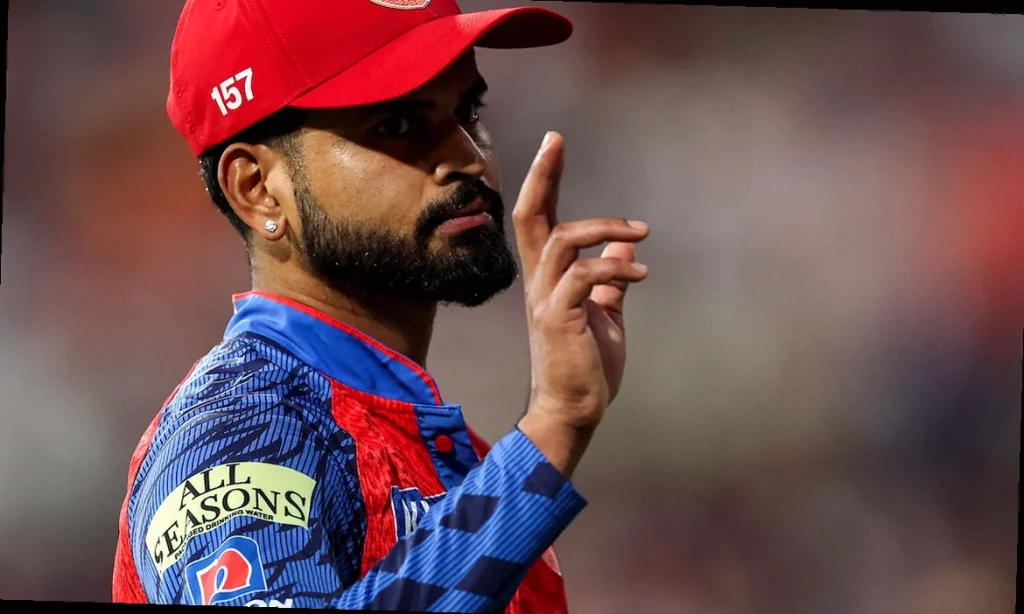
IPL is in full mid-season turmoil, with every franchise trying to punch its ticket to the business end and secure a spot in the top four. In that race, Punjab Kings have been operating at a level that stands out, sitting on 11 points from six matches, with one game against KKR washed out. Their rise to the summit has been driven as much by strategy as by temperament—a steady, composed spine anchored by Shreyas Iyer and head coach Ricky Pointing.
Punjab’s spin bowling coach, Sairaj Bahutule, believes the biggest shift has come from the captain’s mindset. In his view, Iyer’s calmness under pressure and his genuine investment in the people around him have helped the dressing room settle into a clearer rhythm. “I’ve seen Shreyas’ growth over a period of time,” Bahutule said. “His leadership qualities are special because he is not only responsible for himself but also for the 10 other players on the field.”
For Bahutule, that influence extends beyond match-day decisions. He sees Iyer’s strength as being just as much about handling individuals as it is about reading cricket situations. The captain’s ability to connect with the entire squad—whether a player is in the starting XI or waiting for a chance—has helped create a more unified environment. “He shares a great rapport with every player and understands how to get the best out of them. Even in pressure situations, he remains calm, and that gives him clarity in decision-making,” Bahutule added.
While Iyer sets the tone on the field, Bahutule paints a picture of how the framework is being built behind the scenes. He was quick to credit Ponting for establishing the identity that Punjab are now known for. “The culture and values Ricky created last year have been carried forward,” he said. “Even though we didn’t go on to win the final, that identity stayed with the team.”
That consistency, Bahutule believes, is now showing up in the way responsibilities are defined, plans are structured, and the overall approach is executed. With Iyer holding the captaincy and Ponting acting as head coach, he described the collaboration as effective and aligned. “With Shreyas as captain and Ricky as head coach, the collaboration has been excellent. We are very clear in how we want to approach each game,” Bahutule noted.
Punjab’s performances across batting, bowling and fielding this season reflect that steadier alignment, but the coaching message inside the camp remains grounded. Bahutule stressed that despite the strong start, the tournament’s pressure demands patience and focus. “This is a high-pressure tournament. We’ve started well, but as a group, we understand the importance of taking one game at a time and not getting ahead of ourselves,” he said. “We are trying to stay as present as possible.”
Another key element behind Punjab’s strong run has been squad depth, particularly within the batting group. Bahutule pointed out that even if the top-order doesn’t always get its share of time in a match, the team has enough resources to respond. “There will be situations where the batters might not get a start, but we are very well-equipped. There is depth in the batting,” he said.
He also acknowledged that improvement is still possible, especially in the new-ball phase. “The middle and death overs have been fabulous for us,” Bahutule said, highlighting how the bowling unit has combined well with the batting strength. Still, the early overs are an area the franchise wants to sharpen as the season moves deeper into its second half.
With the latter stage of the campaign beginning, Punjab Kings are now waiting for the kind of match that truly tests nerves. On Saturday, they play the Capitals in the afternoon heat in Delhi, a fixture that could reveal how well their composure holds when conditions and pressure align. Even with the high temperatures expected, Punjab are likely to lean on the momentum they’ve built so far. As Bahutule suggested, the work Iyer has done for Punjab Kings is already drawing attention—and the day may not be far when that form earns him an even bigger role, potentially leading India’s white-ball setup.
