
The IPL 2026 has once again thrown up a string of close, edge-of-the-seat contests and headline-grabbing performances, reinforcing its reputation as the most entertaining T20 tournament in the world. Fresh faces and young attackers have been grabbing headlines across venues, with players such as Vaibhav Sooryavanshi and Prabhsimran Singh turning fearless batting into a trademark. Yet, amid the excitement, a growing source of frustration for many viewers has been the sheer length of matches. The T20 format was built to bring results inside three hours, but this season’s games have often run past the four-hour mark—stretching the broadcast and testing fan patience.
Slow over-rates still a problem despite penalties
Even with the BCCI introducing financial sanctions and the threat of match bans for captains to deter slow over-rates, the issue has not gone away. Instead, delays continue to spill over into the overall duration of games, leading to concerns that the spectacle is being overshadowed by stoppages and prolonged intervals.
Longest match of the season: RCB vs MI goes 4 hours 22 minutes
The trend has been most visible in the clash between Royal Challengers Bengaluru and Mumbai Indians, which turned out to be the lengthiest fixture of the IPL season. That match lasted 4 hours and 22 minutes, underlining how far some contests are drifting beyond the intended T20 window.
Sunil Gavaskar calls for tighter control on the playing area
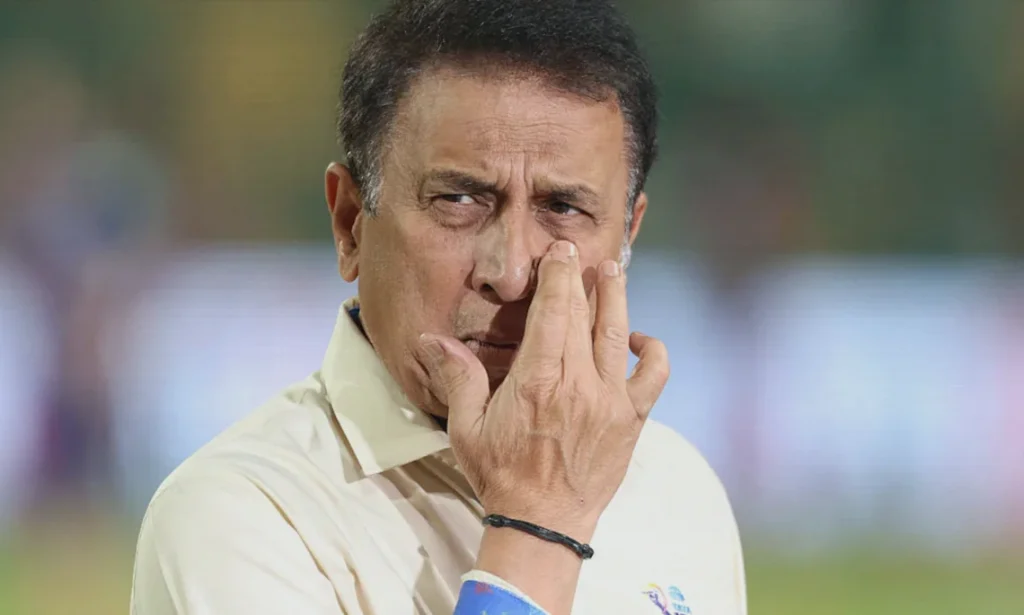
Former India captain Sunil Gavaskar has urged the BCCI to take stronger steps to address the delays by tightening access around the field. He believes that too many people are entering the ground during live action, which can disrupt the flow and further slow down procedures.
- Gavaskar pointed to the frequent sight of reserve players walking onto the field to deliver items such as water to batters or fielders close to the boundary.
- He argued that this practice effectively means more than the permitted group of players are present while play is still underway, even if it occurs between deliveries.
- He also highlighted that during official strategic breaks, multiple individuals—sometimes including batters who have not yet come out—are seen on the field.
- His view was that, besides two reserve players responsible for drinks and two members of the coaching staff, no one else should be permitted on the ground.
Gavaskar said discipline on the field is essential, reinforcing the idea with a message he attributed to cricket great and commentator Richie Benaud. He recalled Benaud’s advice to him at the start of his broadcasting journey—that the ground is sacred and should be entered only by those officiating and those actively playing. Gavaskar added that he himself rarely steps onto the field unless he is conducting a pitch report or appearing on television, and he urged the BCCI to ensure committee members with full access do not cross the boundary either. His call was clear: protect the sanctity of the playing area.
Reducing wicket-to-wicket delays: one-minute over instead of two
Beyond access control, Gavaskar proposed changes aimed specifically at shrinking downtime between wickets. He noted that modern match routines have already shifted batters to the dugout rather than the dressing room, which should allow the on-field time allowance to be tightened.
- He suggested cutting the current two-minute window down to one minute, since batters are already in the dugout.
- He also recommended that if a batter is not prepared to face the next bowler, penalty runs should be introduced after a couple of warnings.
