
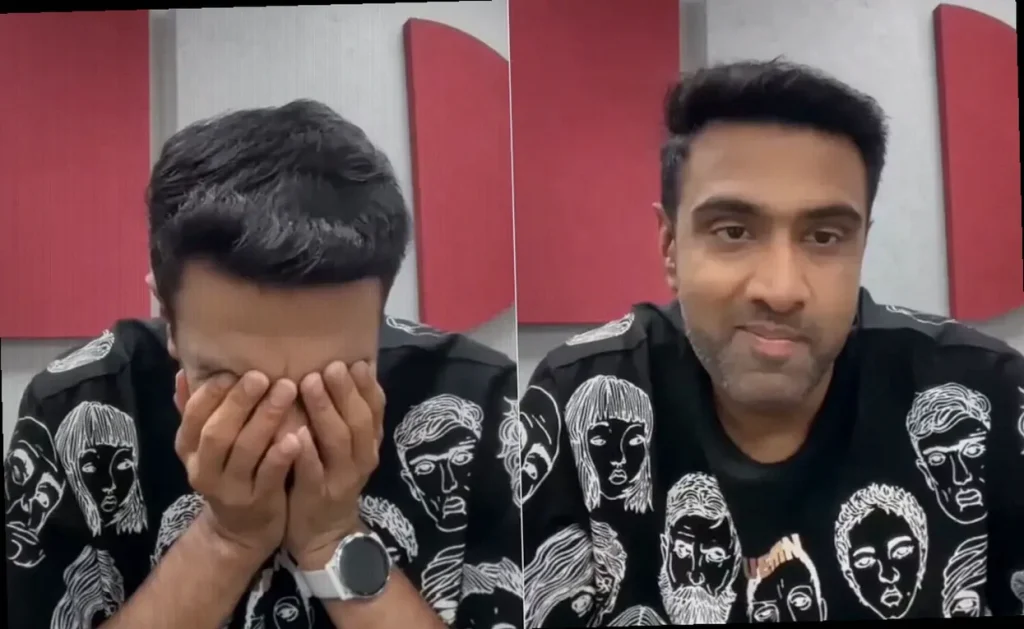
Chennai Super Kings are enduring a rough opening to the new IPL campaign, losing three matches in a row, and their latest setback came on Sunday when Royal Challengers Bengaluru got the better of them. With CSK struggling to field a side that looks fully settled, Ravichandran Ashwin offered a candid look at what his final season with the franchise felt like, after which he announced his retirement from T20 cricket. Watching the contest from a neutral perspective, Ashwin said he could have stayed on for another year, but admitted he was mentally drained by the grind of the previous campaign.
Speaking on his YouTube channel, Ashwin opened with a personal reflection, adding that while he was not watching as an active participant, the memories of a disappointing CSK season were hard to ignore. He said he felt he might have contributed more, yet emotionally he did not have the mental capacity to do so. When asked by Vimal Kumar to discuss what went wrong last year, Ashwin pushed back, describing it as mentally unsettling and painful. He explained that he began in Chennai and planned to end his journey in his hometown, framing retirement as a decision that would spare the team any awkward questions about whether to retain or release him. He also noted that stepping away would help the franchise save Rs 10 crore, while stressing that he still felt let down because he had real expectations and hope.
Ashwin then assessed the match itself, saying he had expectations from the day’s game and had even backed RCB to win because of their strengths. However, he admitted he had also leaned on signs of improvement CSK showed in their previous outing, and he felt RCB’s arrival after a break could have been a factor. Still, he felt Bengaluru’s execution was strong enough to send a clear message, adding that the way RCB played “warned everyone.”
While the result has been disappointing, Ashwin’s criticism also went beyond the scoreboard and into CSK’s approach to building the squad. Ahead of the season, the franchise made multiple changes and leaned heavily on younger options, a shift from the team’s more familiar reliance on experienced campaigners. In Ashwin’s view, the young players can’t simply be thrown into matches without the right environment, practice routine, and intensity.
He questioned whether CSK are giving enough support to the newer group, arguing that young cricketers need structured training, consistent intensity, and a proper atmosphere to grow into pressure situations. Ashwin also took aim at how the team asks certain bowlers to operate in areas that do not match their natural strengths. In particular, he questioned why Anshul Kamboj and Jamie Overton were being asked to bowl wide yorkers from around the stumps, insisting that a captain and bowling coach must plan according to what a bowler does best.
Ashwin said that Overton is not well-suited to yorkers and that asking him to repeatedly deliver that type of ball—especially from that position—was the wrong fit. He referenced how other leagues, such as SA20, can be studied for tactical planning, but argued the key is choosing roles that suit the player’s skills. He concluded by pointing out that Tim David struck the deliveries hard, using it as evidence of why the bowling plan was not working, and he made it clear that his dissatisfaction was directed at how CSK decided to use their resources.
