
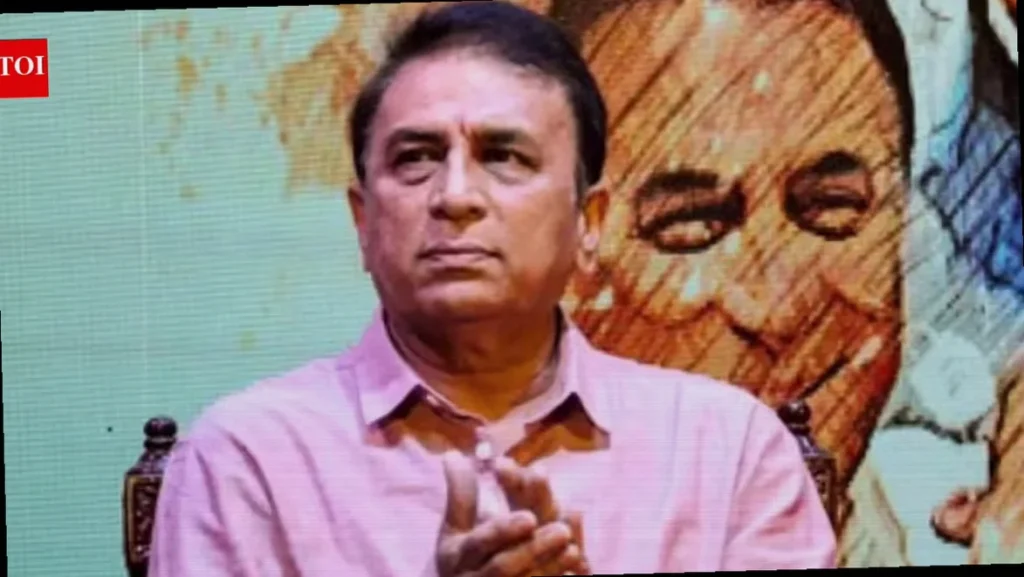
Sunil Gavaskar has voiced strong concerns about how long IPL matches are running and the extra on-field movement that, in his view, drags games beyond the intended rhythm. While this season has delivered plenty of entertainment, several contests have gone past the usual three-hour window, and in some cases have stretched beyond four hours. That extended tempo, he says, is beginning to test the patience of viewers.
Even though the Board of Control for Cricket in India (BCCI) has introduced penalties to curb slow over-rates, delays continue to surface as a recurring problem. Gavaskar believes one of the key drivers of the slowdown is the number of people who keep stepping onto the field during play.
Quick facts
- Sunil Gavaskar says IPL games are taking too long, with many going beyond three hours and sometimes crossing four.
- He points to persistent delay issues despite BCCI penalties for slow over-rates.
- Gavaskar argues reserve players and support staff entering the field contribute to the slowdown.
- He cites examples like reserve players handing drinks near the boundary and multiple people during strategic time-outs.
- He calls for stricter limits on who can enter the playing area, including during batters’ arrival moments.
Too many bodies on the ground
Gavaskar’s central argument is that the practice of letting reserve players and staff onto the field for minor tasks should stop. He described frequent scenes where a substitute player walks onto the boundary area to hand a bottle of water to a fielder, which he believes amounts to more than the permitted number of people being on the field while the match is still in progress.
He also raised concerns about what happens during strategic breaks. In his view, it is common to see several individuals on the pitch during time-outs, including batters who have not yet taken their place. Gavaskar said this goes beyond what should be acceptable and argued for tighter control.
Who should be allowed
Gavaskar suggested that the playing area should be restricted to a limited set of personnel. He stated that, apart from two reserve players carrying drinks and two members of the coaching group, no one else should be permitted to enter the ground during these moments. His reasoning is that even if the activity occurs between deliveries, the number of people present can still disrupt the flow of the game.
To support his stance on discipline, Gavaskar recalled advice from Richie Benaud, who he said told him early in his broadcasting career that the ground is sacred and should only be approached by those officiating and those playing. Gavaskar added that he personally avoids stepping onto the field unless he is doing a pitch report or a TV show.
He further urged the BCCI to ensure that committee members holding all-access accreditation do not cross the boundary either. The message, he said, is to protect the sanctity of the playing area and keep the match environment focused on the on-field contest.
Cut down time and enforce penalties
Gavaskar also proposed changes to the timing around batters taking their positions. He said that since all batters are already in the dugout, the existing two-minute window could be reduced to one minute. In addition, if a batter is not prepared to face the bowler, he suggested issuing penalty runs after a couple of warnings.
