
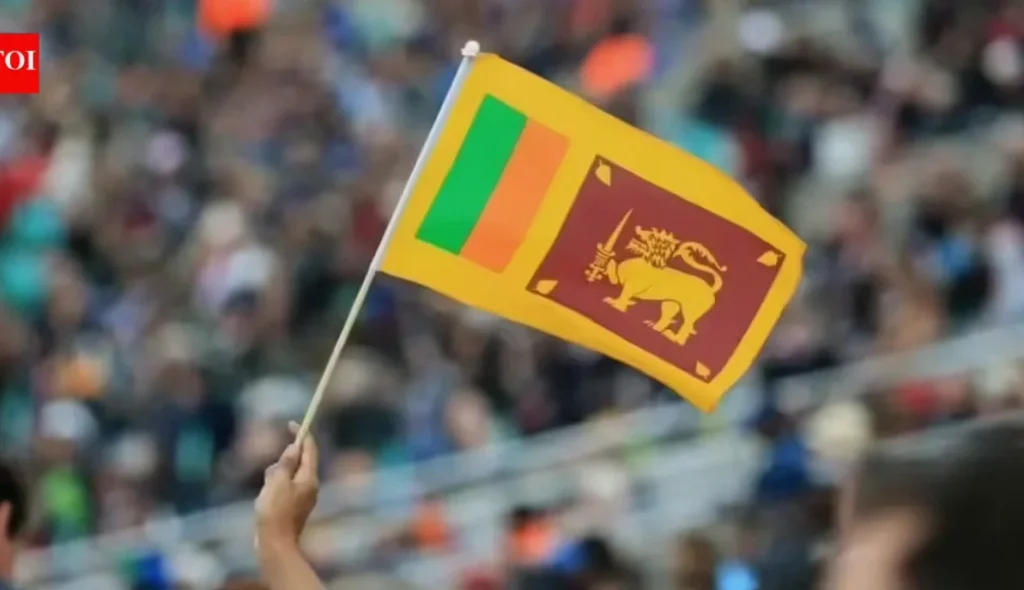
Shammi Silva has quit as president of Sri Lanka Cricket with immediate effect, setting off a sweeping shake-up of the country’s cricket administration. The resignation came alongside exits from the board’s office bearers and the entire Executive Committee, prompting the Sri Lankan government to step in and temporarily take charge of the sport’s administrative functions.
Key takeaways
- Shammi Silva resigned as Sri Lanka Cricket president effective immediately.
- All office bearers and Executive Committee members also submitted their resignations.
- The resignations were delivered to Anura Kumara Dissanayake and Sports Minister Sunil Kumara Gamage.
- The Sri Lankan government has temporarily assumed control of Sri Lanka Cricket to drive “structural reforms”.
- A new committee is expected to be formed to handle current cricket issues and implement those reforms.
Silva’s departure and the board’s full collapse of leadership
Sri Lanka Cricket confirmed in an official release that Silva, the board’s president, formally tendered his resignation from the role with effect from that day. The statement also made it clear that the office bearers and members of the Executive Committee had likewise stepped down, meaning the leadership structure of the board was effectively dismantled at once.
The documentation of the resignations was communicated to Anura Kumara Dissanayake, as well as Sports Minister Sunil Kumara Gamage. This move marks a major administrative disruption, with the governing body’s top tier removed in a single change.
From 2019 appointment to mounting criticism
Silva first took over as SLC president in 2019, taking the role after replacing Thilanga Sumathipala. Over subsequent years, he built influence within the organisation and served four consecutive terms, with many of his elections reportedly going unchallenged.
During Silva’s period in charge, Sri Lanka’s cricket programme did record notable achievements, including Asia Cup titles for both the men’s and women’s teams. At the same time, the national teams faced harsh outcomes in major ICC events, with performances failing to match the momentum seen in certain regional competitions.
A report highlighted that the men’s team had endured disappointing showings at the 2023 ODI World Cup and at the 2024 and 2026 T20 World Cups. It also noted that Sri Lanka’s international rankings slipped during Silva’s tenure.
Even the appointment of Gary Kirsten as head coach did not calm criticism surrounding the board. Pressure for administrative change continued to grow, with calls for reform intensifying despite the new coaching leadership.
While SLC has not formally explained why the mass resignations were made, the combined exits are being viewed as among the most significant management shake-ups in Sri Lankan cricket in recent times.
Government intervention and “structural reforms”
With the administrative vacuum created by the resignations, Sri Lanka’s government has taken temporary control of Sri Lanka Cricket. The stated objective is to implement “structural reforms” in the sport.
The decision was announced as coming a day after Silva and the entire Executive Committee stepped down, following government involvement. In a statement, the Ministry of Youth Affairs and Sports said that all administrative duties of Sri Lanka Cricket will be placed under the ministry on a temporary basis, effective immediately.
The government further indicated that a new committee would soon be appointed to deal with the existing problems in cricket and to put structural changes into practice.
For some time, Sri Lanka Cricket has faced accusations of corruption and mismanagement. More recently, the national side suffered an early exit from the T20 World Cup, adding to the pressure on the administration.
