
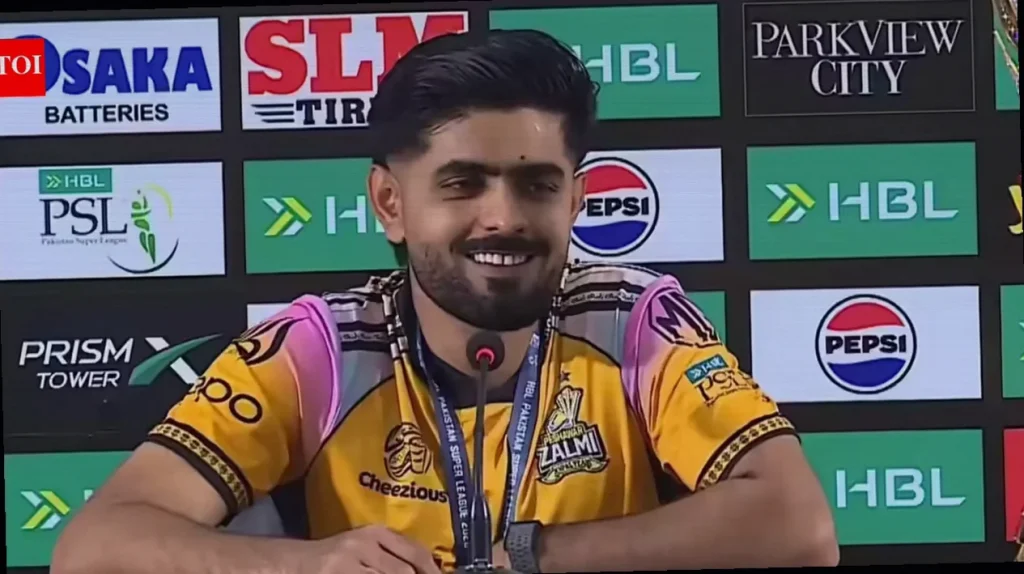
Pakistan batter Babar Azam made sure his message was heard as loudly as his bat—guiding Peshawar Zalmi to the PSL 2026 title and then using the trophy moment to underline his view that he should be available for all formats. The triumph capped a long wait for Zalmi, who beat Hyderabad Kingsmen by five wickets in the final at Lahore’s Gaddafi Stadium to claim their first championship since 2017, but it was Babar’s outspoken stance on playing across Tests, ODIs and T20 cricket that dominated the post-match conversation.
Final day: Zalmi’s title and Babar’s statement
- Peshawar Zalmi secured the PSL 2026 crown by defeating Hyderabad Kingsmen by five wickets in the championship clash at the Gaddafi Stadium in Lahore.
- The win delivered Zalmi’s first title since 2017, ending years of searching for silverware.
- After lifting the trophy, Babar Azam drew attention to ongoing debates about his suitability for T20 cricket, stressing he intends to play all three formats.
Addressing the question of format priorities, Babar delivered a confident, light-hearted reply. “I’ll play all three formats—don’t worry. I’m available for all of them, so you don’t need to stress about it. I know what you’re trying to ask,” he said after the final, smiling as he made his position clear.
Babar’s season set the foundation
Whatever doubts surrounded his role in the shortest version were challenged by the numbers. Babar finished the PSL 2026 campaign as the leading run-scorer, piling up 588 runs in 11 matches. His average read 73.50 and his strike rate was 145.91, with two hundreds and three fifties included in that haul. The output was central to Zalmi’s title push and reinforced his influence as a top-order anchor and match-winner.
When further questioned on how he weighs different formats, Babar doubled down on the idea that participation should not be restricted. “It’s not really for the player to decide—what matters is that the player’s job is to play. In my opinion, every cricketer should play all formats. It shouldn’t be about focusing only on white-ball cricket or only T20. Red-ball cricket gives you a lot of experience: it builds patience and teaches you how to play long innings, especially when you are involved in four-day cricket or domestic contests. That’s why you should play all three formats, because it helps you in every version,” he said.
Hardie’s finishing act in the final
While Babar provided the tournament leadership, the final’s turning point belonged to Aaron Hardie. The Australian produced a complete performance, first striking early with the ball by taking 4/27 to restrict Hyderabad to 129, then taking control of the chase with an unbeaten 56 off 39 deliveries to bring Zalmi home in 15.2 overs.
Hyderabad’s innings had been steadied by their ability to make early inroads, but the real story was the way Hardie and his side responded. Even after Zalmi suffered an early setback—slumping to 40/4—Hardie combined with Abdul Samad, forming an 85-run partnership that shifted momentum decisively and set up the chase.
Captains’ reflections and Hyderabad’s challenge
After the match, Babar praised the collective effort behind the championship. “It’s a very big achievement for me, for Peshawar Zalmi and all the fans. Throughout the tournament we’ve performed really well as a team—every player executed the plans they were given,” he said.
Hyderabad, led by Marnus Labuschagne, looked capable of going deeper for long spells, but their progress stalled when the powerplay phase ended. They lost wickets in quick succession, were unable to keep building through the middle overs, and ultimately failed to post a total that would prove comfortably competitive.
