
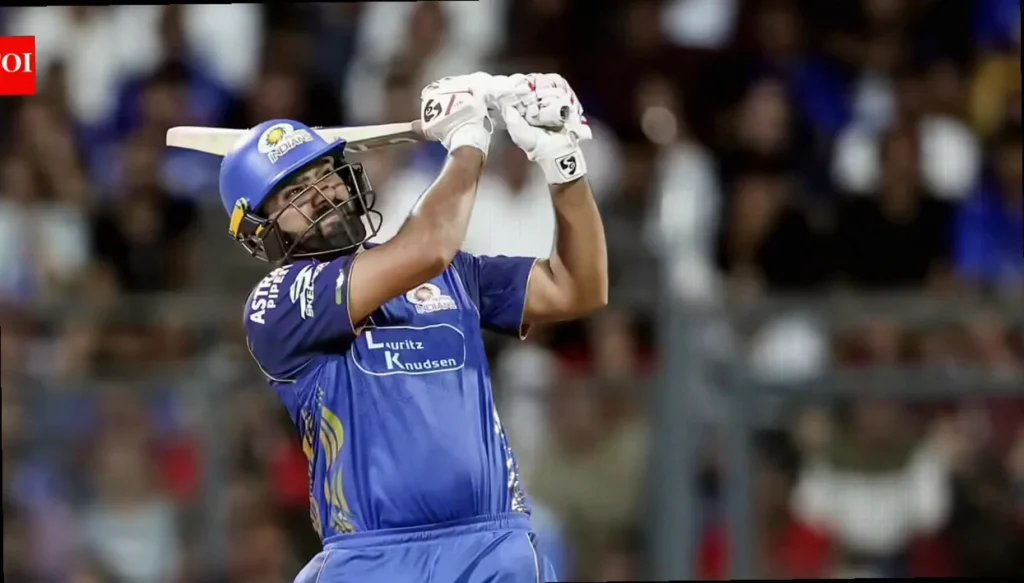
Former India captain Sunil Gavaskar feels a revitalised Rohit Sharma can swing the IPL 2026 playoff picture, cautioning that Mumbai Indians (MI) have begun to look dangerous enough to disrupt several teams’ qualification plans. Rohit’s return from injury sparked the latest statement, as MI chased down 229 against Lucknow Super Giants (LSG) with six wickets to spare at the Wankhede Stadium—an outcome Gavaskar believes could carry momentum into the run-in.
Key takeaways
- Rohit Sharma scored 84 off 44 balls as MI completed a six-wicket win over LSG in a high-scoring chase of 229.
- Gavaskar linked Rohit’s recent improvement to a shift in approach since stepping away from captaincy responsibilities in the IPL and white-ball cricket.
- He highlighted Rohit’s pattern of providing early acceleration through 40–50 run starts, even if big 80-plus scores are less frequent.
- Gavaskar believes Rohit is now aiming to bat deeper and produce a larger overall impact in matches.
- While praising the batting upturn, Gavaskar voiced concern about Jasprit Bumrah’s rhythm this season, suggesting he has been trying too many variations.
Rohit’s return changes the MI narrative
Rohit came back from injury in emphatic style, hammering 84 off 44 deliveries to steer MI to a memorable chase. The innings was anchored by a 143-run opening partnership with Ryan Rickelton, which set the platform for MI’s successful pursuit of a record total. It was only MI’s third win of the season, but Gavaskar stressed that the timing and the manner of the result could matter just as much as the points.
Speaking after closely observing Rohit’s evolution, Gavaskar said the most notable transformation has been mental and tactical. In his view, Rohit has been more focused on his batting ever since he was removed from captaincy roles in white-ball cricket and the IPL, with the emphasis shifting toward personal impact with the bat.
From strong starts to batting deeper
Gavaskar pointed to Rohit’s typical season profile in the IPL, noting that he often reaches between 400 and 500 runs. More importantly, he argued that while Rohit may not always register a large number of innings of 80-plus, his knocks frequently deliver decisive momentum early—often beginning with 40 to 50 runs that allow the team to get ahead of the required tempo.
However, Gavaskar believes the current phase shows an even bigger objective. “The change in his game is clear,” he said, adding that Rohit now appears intent on staying at the crease longer and creating a more lasting influence on the match. He cited the full range of shots from the LSG game as evidence, including the pull and drives, plus lofted hitting over long-off. Against left-arm spinner M Siddharth, Rohit also went down the ground and struck through the turn, which Gavaskar described as a focused, deliberate performance rather than a one-off burst.
Gavaskar’s central warning was about the wider tournament effect. If Rohit sustains this form, MI could end up harming multiple teams’ playoff prospects in their remaining fixtures. With MI still not inside the top four but steadily building momentum, their late surge—especially with Rohit and the top order firing—could prove pivotal in a tightly contested points race.
Bumrah’s struggles and the path back
While Rohit’s batting has lifted MI, Gavaskar also sounded a note of caution about Jasprit Bumrah. He acknowledged that Bumrah is giving his best, but said the pacer appears to be experimenting too much this season, which has affected his rhythm. Gavaskar pointed to issues such as no-balls and a loss of consistent flow.
In Gavaskar’s assessment, Bumrah needs to return to fundamentals and simplify his approach. Still, he expressed confidence that the turnaround could be swift, suggesting that once Bumrah starts finding wickets again, he can quickly regain his usual form and effectiveness—potentially within the next one or two matches.
