
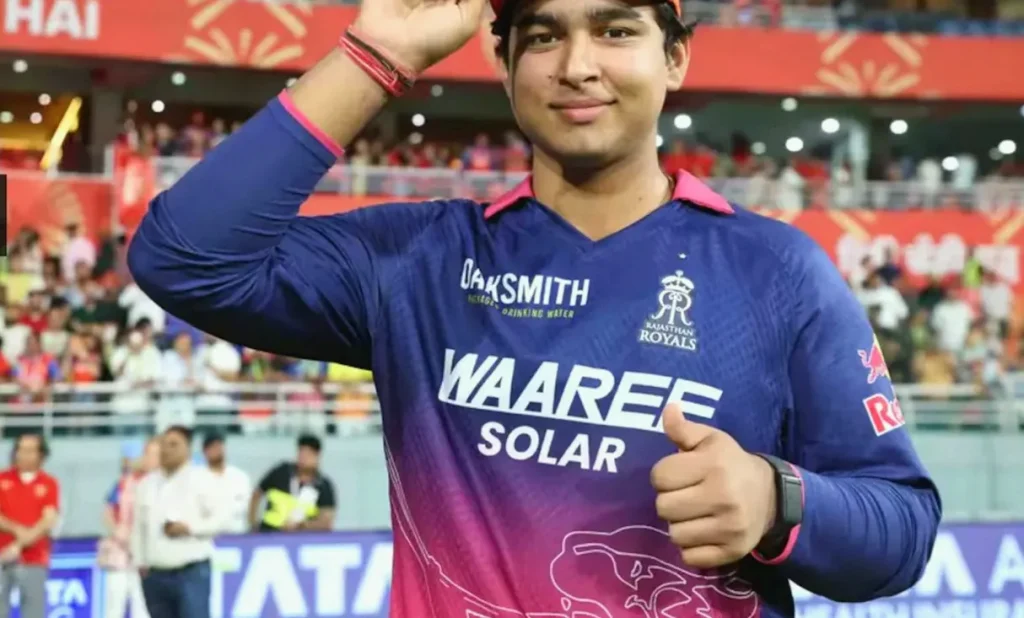
Vaibhav Sooryavanshi, still only 15 years old, has quickly become a talking point in Indian cricket circles after his striking batting promise triggered fresh debate over whether he should be rushed into the senior India setup. With performances already on his CV at Under-19 level for the country and in the Indian Premier League, a section of fans and observers believes a fast-track pathway is justified. Yet, there is also a counter-view from some analysts and former players who argue that the transition to the highest stage should be handled carefully, allowing his development to follow a smoother, more gradual arc.
Call for a Test debut mindset
Zubin Bharucha, the former Rajasthan Royals Director of Cricket who helped bring Sooryavanshi into the franchise system, has suggested that India should consider giving him opportunities in Tests—drawing a comparison with how Sachin Tendulkar was introduced to international cricket at a young age. Bharucha’s core message is that the right moment, backed by faith in talent, can accelerate a player’s growth rather than hold it back.
Tendulkar, widely regarded as one of the greatest cricketers to have played the game, made his India debut at 16. He then went on to represent the nation for 24 years, during which he set or broke numerous records and became a benchmark for batting greatness across generations. Bharucha referenced that precedent to frame why Sooryavanshi could be treated with a similar urgency in the long format.
In his comments, Bharucha said the case for taking a leap of faith is already present when judging Sooryavanshi’s output across key batting indicators. He argued that on metrics like runs, strike rate, and overall scoring impact, the teenager appears ahead of many others waiting for their turn. On that basis, Bharucha believes India should take the calculated risk of introducing him directly, in the spirit of how Tendulkar was backed early.
Why Bharucha thinks the technique needs refinement
Bharucha, however, also highlighted a specific technical concern he feels Sooryavanshi must address before being considered fully ready for the top level. He suggested that the youngster may not be committing himself adequately to the front foot. In his view, that hesitation affects the ideal batting “sequence” when the ball is moving, which he described as a crucial element—something that separates the best batters from everyone else.
He further explained that the real question is whether Sooryavanshi can be guided to follow the same pattern consistently when the delivery is in motion, not just when conditions are easier. Bharucha also added that, in his assessment, opening is not the youngster’s most natural role right now, arguing that there is more value to be unlocked before placing him straight into that position.
Overall, the former Royals official’s stance blends urgency with caution: he believes Sooryavanshi’s numbers and talent make a strong argument for early opportunity, but he also feels the technical and role clarity required for sustained success at the highest level still needs to be ironed out.
