
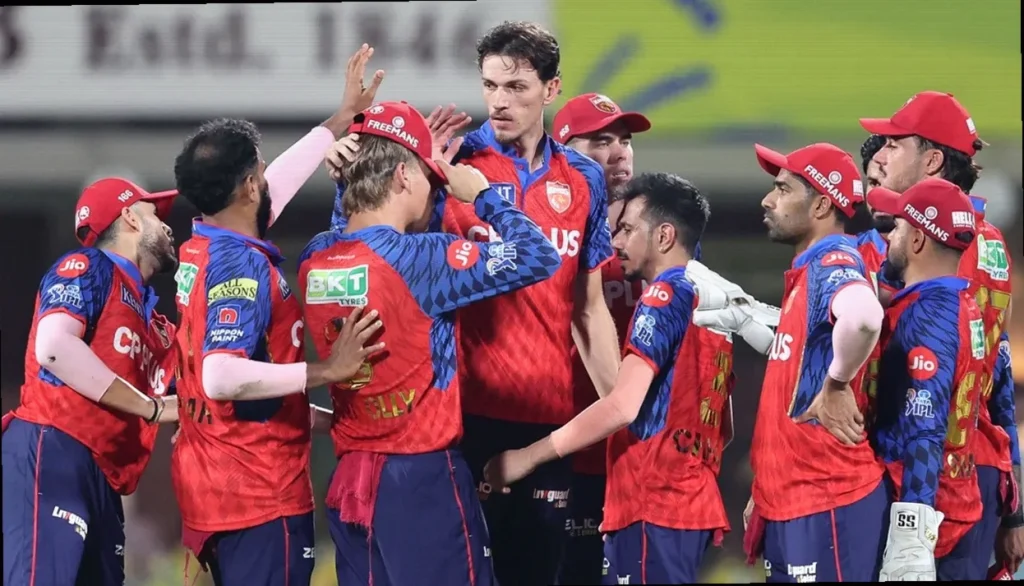
Punjab Kings are finally matching the louder, bigger image their name suggests—at least in the way results and numbers are reading in this IPL. They boast the highest run-rate and the best batting average of the season, yet their bowling profile tells a more complicated story: they have conceded the most runs per over and sit second for runs per wicket. They have also posted the highest team total in the competition in the wake of surrendering the highest total of the year. In T20 history, they have chased down the most 200-plus targets, but they have also failed to defend the most 200-plus scores.
Four defeats in a row put PBKS under pressure
With momentum slipping and the season threatening to unravel, PBKS find themselves staring at four consecutive losses. It is a stretch that likely hurts their hopes of locking down a top-two finish by this stage. In this phase, they need their leading force to deliver the kind of impact that fits the “Punjabi king” ideal—strike early, bowl with the right discipline for the format, and create pressure that turns into wickets and noise.
Marco Jansen’s IPL form: flashes of help, numbers that bite
In recent years, Marco Jansen has often extracted more than most from Indian surfaces—sometimes to India’s frustration. The Guwahati Test last November is a standout instance. This IPL, however, has been a different story. Even though he has received a couple of helpful pitches, his overall returns read 10.04 runs per over and an average of 65.83 across six wickets in ten innings.
His most recent outing, coming against Delhi Capitals (DC) on Monday, is the kind of match that Jansen—and PBKS—will revisit. PBKS posted 210, and captain Shreyas Iyer had pointed out that the total was about 30 runs above par despite heavy dew arriving overnight. Yet the ball moved so much that spin barely got a look-in: not a single over of spin was bowled in 39 overs. Jansen’s figures in that contest were 4-0-45-0.
Why PBKS may need to rethink how they use him
Those figures will sting because IPL 2026 has largely rewarded tall fast bowlers who succeed by sticking to traditional good, hard lengths. The pattern for Jansen shows he has landed in the 6–8 metre zone just 28% of the time and in the 8–10 metre band 21% of the time. By contrast, his South Africa teammate Kagiso Rabada has hit those areas 68% of the time for Gujarat Titans.
It may be an uncomfortable comparison, but it is being made for a reason. PBKS could benefit from using Jansen in a similar mould—less about copying a specific match plan and more about empowering him to bowl to his strengths. This season, Jansen has taken the new ball only twice, and he has delivered just 15 of his 40 overs in the powerplay. Even so, that approach might still be viable depending on the way the PBKS squad is built and how their bowling unit is managed.
There is also the possibility that the conditions—or the responsibilities assigned to the rest of the attack—have pushed Jansen toward work with the older ball. The data supports that concern. A high share of his deliveries are slower balls, at 37%, which is not where his best impact typically comes from. While his returns with slower balls are better than when pace-on is attempted, the overall trend looks less threatening than it should. Even more troubling is his tendency to overpitch: 30% of his deliveries have gone too full, suggesting issues such as a yorker failing to land, a length ball being overcooked, or a slower ball losing control.
What PBKS can do next with their key strike bowler
Jansen remains a crucial piece for Punjab Kings, and there is little sense in imagining their upcoming major matches without him. The law of averages suggests a turnaround cannot be far away, but the bigger challenge for PBKS is to ensure they get the most from him when the stakes rise.
The support staff are expected to dig into why Jansen is not extracting the same value from the pitch as he usually does. They will examine markers such as release height and vertical speed, comparing them against his baseline. It is not always straightforward to identify what is missing—or whether anything is off at all—but the hope is that a fix clicks quickly. If Jansen comes close to his best again in the next fixtures, PBKS’ season could swing back toward the kind of dramatic improvement their campaign has shown it is capable of.
