
Allan Border, the former Australia captain and one of cricket’s most celebrated batters, is currently in Mumbai as part of his visit connected to the International Masters League. The trip has carried him beyond the present, pulling him back to one of the defining chapters of his own career—Australia’s memorable 1987 World Cup campaign. Speaking during his time in the city, Border revisited the triumph, discussed his long-awaited return to Eden Gardens, and even recalled the Mike Gatting reverse sweep that played a key role in turning the final in Australia’s favour. Yet while the conversation naturally drifted to those historic moments, Border also made time to weigh in on one of Indian cricket’s most closely watched young prospects, Rajasthan Royals teenager Vaibhav Sooryavanshi.
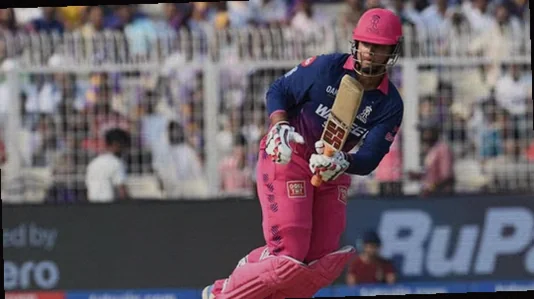
When asked about the 14-year-old’s prospects and skill set, the World Cup-winning captain delivered a verdict that immediately stood out for its emphasis on impact and execution rather than hype. Border said he has rarely, if ever, seen a batter so young drive a cricket ball with such force, pointing to the raw striking power already evident in Vaibhav’s batting. In his comments, Border highlighted that the most striking feature is not merely that the youngster is talented for his age—it is the way the ball comes off his bat with authority.
Border, however, resisted turning praise into prediction. While he clearly acknowledged the scale of the promise, he also underscored how far a player still has to go before that early spark becomes a fully developed career, especially at the Test level. He said he cannot forecast at this stage whether Vaibhav will become a consistently successful Test cricketer, but he can already spot “glimpses” of Brian Lara in him. The comparison, though, was less about branding a youngster with a famous name and more about describing the kind of batting freedom and the ability to find different parts of the ground—something Border felt is already taking shape in Vaibhav’s game. He also noted that while there is still a long path ahead, the teenager is clearly capable of striking the ball across all areas.
Even with the Lara reference drawing natural attention, Border’s wider message stayed rooted in technique and skill. His focus was on range, confidence in shot-making, and how the young batter is opening up scoring options rather than simply relying on power. That mix—unusual authority from the bat combined with the ability to access different regions of the field—is part of what makes Vaibhav’s current form so eye-catching. At the same time, Border delivered the clearest signpost for what comes next, offering a blunt but important takeaway for a player on the rise: Vaibhav must now learn how to tighten his defence.
That single line carried a lot of weight. Power tends to grab attention quickly, and range can make a batter exciting from the moment he appears. But defence is what provides the foundation—how a batter survives when conditions change, when bowlers adjust, and when the game demands patience as much as aggression. Border’s view suggested that if Vaibhav is to grow from an explosive teenager into a cricketer who can endure, adapt, and build innings in different situations, his defensive technique will need to catch up with the gifts that are already obvious.
Border’s visit also served as a full-circle moment into his own cricket history. He spoke about how he should have visited Eden Gardens far earlier, noting that nearly four decades have passed since Australia’s 1987 World Cup win, yet the memories of that final still feel vivid. He returned to the crucial turning point too: Mike Gatting’s reverse sweep. Border described how Gatting’s attempt at the shot swung the match, and how England were travelling well before that moment changed the direction of the contest. Border said he and Gatting remain good friends, but he still likes to tease him about that reverse sweep because of how significant it proved.
With those recollections in place, the most lasting takeaway from Border’s Mumbai stop remained his assessment of Vaibhav Sooryavanshi. Border sees rare power, exciting range, and genuine talent—but he also sees a youngster whose game still requires refinement, particularly in his defensive approach. In Border’s framing, that is likely the best kind of praise a teenager can receive: admiration that doesn’t exaggerate, and encouragement that points to what must be improved next.
