
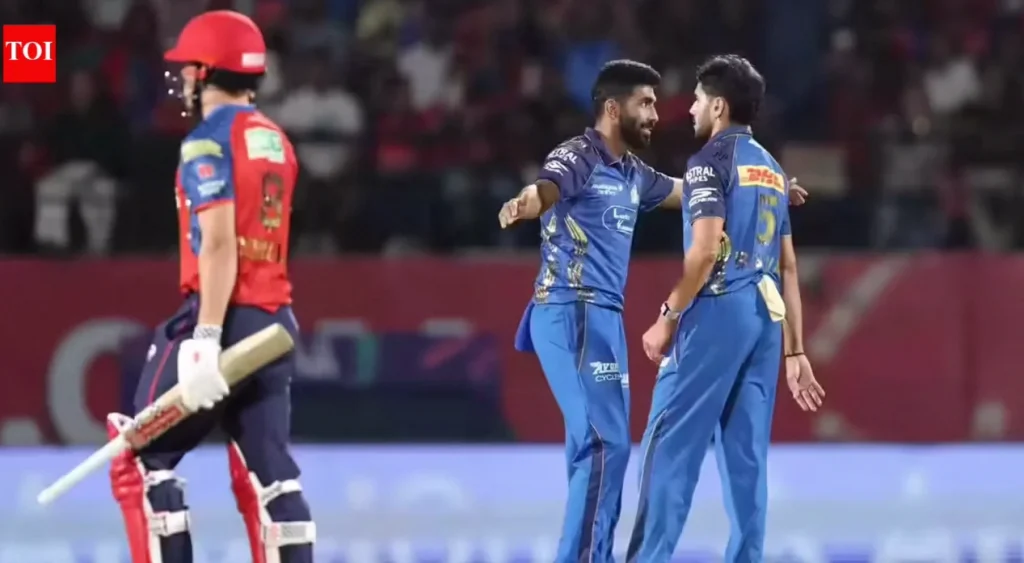
Ravichandran Ashwin has demanded an immediate overhaul of Decision Review System (DRS) regulations following a contentious final-ball moment during the IPL 2026 match between Punjab Kings and Mumbai Indians in Dharamsala on Thursday. The veteran spinner’s complaint was sparked after Punjab successfully overturned an lbw call on review, only to be denied a leg-bye on the very last delivery of their innings.
Ashwin calls for DRS rule change after final-ball ruling
Ashwin reacted on social media after Punjab were, in his view, punished by the way the “dead ball” protocol plays out when an on-field decision is already out at the time of review. He argued that the outcome of the review should translate into the correct run treatment for the batting side without delay, even if the ICC’s timeline for changes differs from the IPL’s needs.
In his post, Ashwin said the incorrect ruling cost Punjab a run and urged that the rule be adjusted as soon as possible. He also drew a comparison with the Impact Sub being an IPL-specific playing condition, suggesting the league should bring DRS reversal practices in line with its own requirements rather than waiting for any ICC amendments.
The controversial last delivery and why leg-bye was denied
The flashpoint arrived on the final ball of Punjab’s innings. Jasprit Bumrah struck with the last delivery, trapping Vishnu Vinod lbw. The on-field umpire signalled in favour of the dismissal, prompting immediate review from Punjab.
Television replays indicated that the ball had not clipped the stumps, leading to a reversal of the original lbw verdict. However, Ashwin highlighted that the ball had already been declared dead after the initial decision. As a result, Punjab were not granted the leg-bye they had effectively earned through the overturned call.
- Bumrah bowled the last ball and the umpire initially ruled Vishnu Vinod lbw.
- Punjab reviewed straight away and the lbw decision was overturned after replays.
- Because the delivery had been called “dead” following the first out signal, Punjab were not awarded the leg-bye.
- Ashwin argued that the mismatch between the reversal and the run outcome cost Punjab a run.
Punjab’s innings: 200 for 8 despite the late twist
The incident came at the end of a high-drama batting effort from Punjab. Despite a collapse that threatened to derail their chase of a defendable total, Punjab managed to reach 200 by posting 200 runs for the loss of eight wickets.
Prabhsimran Singh top-scored with 57 and provided Punjab with a brisk start alongside Priyansh Arya. But Mumbai responded strongly through Shardul Thakur, who struck four wickets and tightened the middle overs, leaving Punjab in a precarious position.
With the innings under pressure, Azmatullah Omarzai launched a late counterattack, smashing 38 off 17 balls to keep the scoreboard moving. At the death, Vishnu Vinod and Xavier Bartlett chipped in with key runs to ensure Punjab finished on a competitive total.
- Punjab finished with 200/8 in their innings after a threatened collapse.
- Prabhsimran Singh made 57 and shared an aggressive opening stand with Priyansh Arya.
- Shardul Thakur answered with a four-wicket burst that jolted the middle order.
- Omarzai’s late push—38 off 17 balls—helped Punjab recover momentum.
- Vishnu Vinod and Xavier Bartlett added valuable runs at the end of the innings.
DRS reversal debate reignites in IPL
Ashwin’s push for change has reignited discussion over whether the IPL should adapt its playing conditions independently when it comes to the mechanics of DRS reversals. The former India spinner’s central point is that once a review overturns the on-field call, the batting side should receive the correct run outcome—without being hit by the sequence of events that occurs before the review is completed.
With the final-ball controversy now drawing fresh attention, the debate is set to continue across IPL circles—especially around how “dead ball” rules interact with overturned dismissals and whether league-specific adjustments are necessary to avoid similar outcomes in future matches.
