
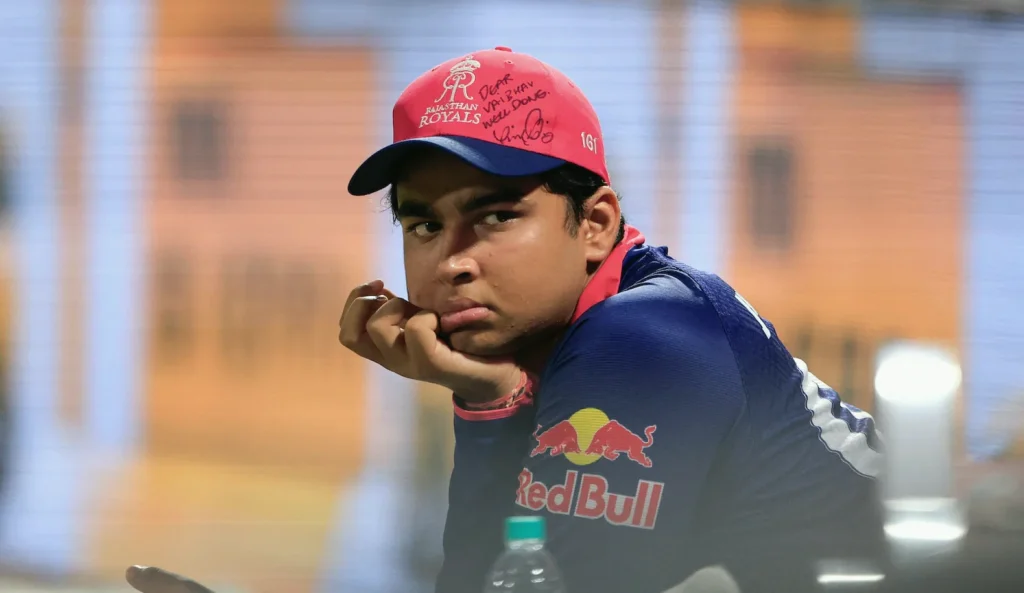
How do you stop Vaibhav Sooryavanshi? The question has suddenly become the defining theme heading into IPL 2026 Qualifier 2 after the 15-year-old Rajasthan Royals opener struck with breathtaking force in the Eliminator against Sunrisers Hyderabad. In that knockout game, he carved through a star-studded batting line-up, firing a 29-ball 97 as RR dismantled SRH and set up the next, even bigger, step toward the title. Now, all eyes will shift to what happens when Shubman Gill’s Gujarat Titans come calling—GT holding the key to a place in the IPL 2026 final and standing between Rajasthan and a shot at glory.
Rajasthan’s challenge is intensified by the kind of steadiness Gujarat have shown since joining the league. GT have been among the most reliable sides across recent seasons, winning the title in 2022 and then finishing as runners-up in 2023. With that track record, Qualifier 2 looks like a stern test of both temperament and execution for RR, especially with a batter like Sooryavanshi currently dictating the tempo of matches.
Ravichandran Ashwin has weighed in on how Rajasthan might approach the matchup, suggesting that the plan could involve bringing in a spinner to slow down the flow of runs. In his view, an off-spinner offers the best chance to contain Sooryavanshi, but he also warned that the youngster isn’t the type to be easily boxed in. “I feel an off-spinner can contain Sooryavanshi. But the problem is, he is very clever. So you have to be patient and bowl to a plan for 12 balls,” Ashwin said on his YouTube channel. He added that modern spinners often struggle to create the kind of aerial disruption that can unsettle batters, making it crucial to choose the right bowler and the right moments.
Ashwin suggested that Sai Kishore could be a factor, but he questioned whether RR would even include him in the XI, pointing to the risk that the pitch might offer too much assistance to the batter in question. “Sai Kishore can do it, but I doubt they’ll even play him as the ball will turn into Sooryavanshi,” he said, highlighting how quickly conditions can become a batter’s advantage at this stage of the tournament. He then turned to Washington Sundar, noting that the left-arm option also has the skills to trouble a batter, though it comes with its own complications.
According to Ashwin, Sundar can be effective, yet the variation in his pace through the air may push him into a defensive rhythm too quickly. “Washington Sundar can do it, but he’s too quick through the air and goes into defensive mode quickly. So it’ll be a risk bowling Sundar, but it’s not a bad call against Sooryavanshi. But I am not sure if Sundar is ready for the challenge, having rarely bowled this season,” Ashwin added. That last point underlines the bigger tactical dilemma: whether RR’s bowling unit can handle the intensity of Sooryavanshi while also protecting the overall structure of the innings.
Ashwin also acknowledged that Sooryavanshi’s impact isn’t limited to just his own batting. He admitted that his opening partner, Yashasvi Jaiswal, could be dealing with added pressure simply because of the aggression happening at the other end. “He admitted that Sooryavanshi’s fellow opener Yashasvi Jaiswal is under pressure,” the commentary suggests, and Ashwin himself expanded on it: “I don’t think Jaiswal has any problem. But it can be a little intimidating for him when Vaibhav Sooryavanshi is showcasing such aggression at the other end. But he will find a way with him.”
Ultimately, Ashwin insisted that Jaiswal shouldn’t be treated as a player who needs to be replaced or discarded at this stage, stressing that intimidation is often part of the challenge when one opener is in such dominant form. “He can’t be discarded immediately, as anyone would get intimidated at the other end with the way Sooryavanshi is batting,” he said. With Qualifier 2 now looming, Rajasthan’s hopes—and GT’s chance to keep their title path alive—will hinge on whether they can blunt Sooryavanshi’s momentum, and whether the rest of the batting order can respond under pressure.
