
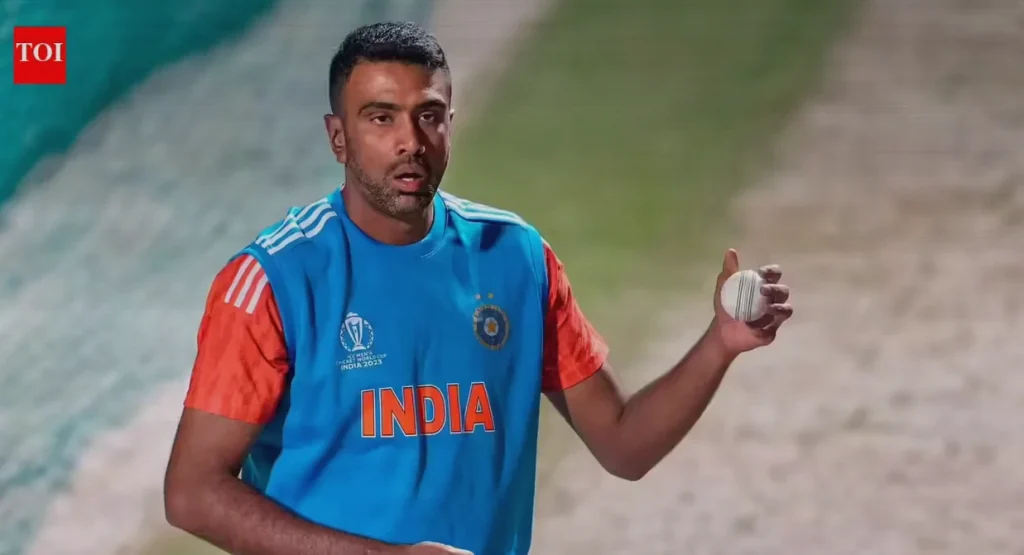
Ravichandran Ashwin has dismissed the notion that India should split into two different T20I units, insisting that the India cap carries a specific prestige that cannot be diluted by handing it out too easily. Speaking on his show Ash Ki Baat, the veteran off-spinner pushed for a clear development route through India A rather than experimenting with senior debuts during overlapping international windows.
Key takeaways
- Ashwin said the India cap must keep its value and should not be awarded casually.
- He argued that if players need exposure, they should be sent on India A tours instead of receiving senior caps for free.
- The discussion centred on possible overlap between a West Indies T20I series (October 6–17) and the Asian Games (September 19 to October 6).
- Ashwin suggested that expanding the India A pathway can help nurture talent without weakening the senior team’s standing.
- India’s post-IPL calendar includes multiple T20I blocks across Afghanistan, Ireland, England, Zimbabwe, West Indies, and Sri Lanka.
Why Ashwin rejected the “two T20I teams” idea
On Ash Ki Baat, Ashwin responded to growing speculation that India may field separate squads for overlapping commitments—most notably the T20I series against the West Indies (scheduled for October 6 to 17) and the Asian Games window (September 19 to October 6). The suggestion of using a second group, possibly featuring newer names associated with the IPL ecosystem such as Vaibhav Sooryavanshi, Priyansh Arya and Prabhsimran Singh, did not appeal to the seasoned spinner.
Ashwin questioned the purpose of the India cap if it becomes a routine commodity rather than a reward earned through consistency and merit. He stressed that wearing the India cap should come with a sense of pride because it represents the wider Indian public, and because players often dream of debuting in front of their supporters while showcasing the nation’s cricketing standards. He also pointed out that debuts have become more common in different contexts, which can lessen the emotional weight of earning the senior jersey.
“What is the value of the India cap then? What respect will it have? You need a moment of pride to wear the India cap. Why are you playing cricket? Because you are representing so many Indian public, they are watching, everyone praises our cricket, and you wish to debut in front of your fans and play all the formats. All of this definitely plays on the mind. It happens a lot now that people are making their debuts somewhere or the other, and people forget about it,” Ashwin said.
India A as the buffer, not a casual senior debut
Instead of endorsing the concept of handing out senior caps across parallel squads, Ashwin advocated strengthening the India A pathway. His view was that India can still provide opportunities and match practice, but through a structured feeder system—allowing emerging players to develop while keeping the senior cap’s significance intact.
He added that exposure should be delivered through India A tours, and even suggested that broadcasting India A fixtures would help maintain interest among viewers. In his opinion, senior caps cannot be treated as something that is simply distributed without context or value.
“There must be a value for the India cap. If you want to give them exposure, send them on India A tours. You cannot just dish out India caps just like that. Telecast the India A tours as well, people will watch and have fun. But you cannot just distribute India caps for free. It has to be valued,” he said.
India’s packed white-ball calendar after the IPL
Even with long-term focus gradually shifting towards the ICC Men’s Cricket World Cup 2027, India’s schedule after the IPL remains heavily loaded with T20 cricket and white-ball engagements. The international season starts with a one-off Test and a three-match ODI series against Afghanistan national cricket team, taking place from June 6 to June 20.
After that, India travel to Ireland for two T20Is scheduled between June 26 and June 28. The next phase is a full tour of England that includes five T20Is from July 1 to July 11, followed by a three-match ODI series.
India then head to Zimbabwe for a three-match T20I series from July 23 to July 26. Later in the year, they host the West Indies cricket team for three ODIs, followed by five T20Is between October 6 and October 17.
India’s season ends with a home series against Sri Lanka national cricket team, featuring three ODIs and three T20Is running from December 13 to December 27—bringing a busy run of white-ball cricket to a close.
