
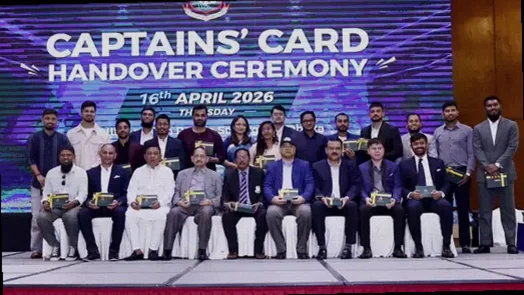
The Bangladesh Cricket Board (BCB) has unveiled a lifetime “captains’ card” for current and past national team leaders. Tamim Iqbal—himself a former Bangladesh captain and the head of the BCB’s ad-hoc body—launched the initiative at a city hotel, framing it as a modest but significant acknowledgement of the role captains have played in Bangladesh cricket.
Lifetime access and recognition for captains
BCB’s programme will extend to 33 captains in total, including 27 from the men’s side and six from the women’s team. The scheme is designed for those who have led Bangladesh across formats since 1977. On the day of the event, 21 recipients attended personally, while the remaining captains could not make it due to different reasons.
In his remarks, Tamim acknowledged that many players—himself included—have felt uncomfortable at times around recognition and access. He said he did not want Bangladesh captains to have to scramble for entry or treatment, particularly when their service to the sport has been substantial.
At a glance
- BCB introduced a lifetime “captains’ card” for current and former Bangladesh national captains.
- 33 captains are set to receive the card: 27 from the men’s team and six from the women’s team.
- Leaders covered include those who captained Bangladesh across formats since 1977.
- 21 recipients attended the ceremony in person; others were unable to join for various reasons.
- The card provides lifetime access to cricket events in Bangladesh, including international matches, ICC and ACC tournaments, the Bangladesh Premier League, and domestic competitions.
- Additional perks include priority parking at venues.
- Health benefits will mirror the support available to current national players, with 24/7 access to the BCB medical team.
- Retired captains will be eligible for health insurance like national team cricketers.
Tamim described the card as a starting point rather than a grand gesture. He stressed that captains should not have to question whether they will be identified at the venue or forced to wait in queues, adding that it is disappointing that even those who helped build Bangladesh cricket have had to think this way.
He also made it clear that, under his watch, a captain should never feel the need to make a call just to secure a ticket or stand in line to collect one. “This card is not something very big,” Tamim said, while pointing to how the captains’ contributions far outweigh the recognition offered.
According to Tamim, the captains’ card will act as a lifetime pass to all cricket fixtures and events in Bangladesh. That includes international games, ICC and ACC tournaments, the Bangladesh Premier League, and domestic competitions, with the understanding that captains carry an identity that should be acknowledged wherever cricket is played in the country.
Beyond entry, the initiative is meant to ensure proper comfort at venues. Tamim said he has seen captains arrive from outside and even get pushed in crowds, and he wants that to stop—stating that in Mirpur, the VVIP space should be reserved for the people most deserving of it.
Medical support and overseas assistance
BCB also announced health-related benefits for captains as part of the card’s value. Tamim said the medical support would be equivalent to what current national players receive, and if needed, the board would help organise medical arrangements overseas.
He further explained that once a captain retires—along with those who have already retired—they will receive health insurance comparable to national team cricketers. The BCB medical team will be available round-the-clock, with the emphasis that captains should not have to call anyone or schedule appointments themselves, as it will be handled by the board.
Tamim added that the programme will expand as the BCB grows, with more benefits expected to be added over time. He reiterated that the aim is to keep improving the card so it remains meaningful well beyond the initial rollout.
Before concluding, Tamim said he had personally reached out to several former captains who were not able to attend, including Mashrafe Bin Mortaza, Shakib Al Hasan, Aminul Islam Bulbul, and Naimur Rahman Durjoy. He told them that the cards are prepared and that whenever they are available, they should accept them from the board.
Tamim closed his address by underlining the respect owed to every captain who has served Bangladesh cricket. He described the captains’ card as a small way to recognise that contribution and reaffirmed that all recipients—whether able to attend or not—are being honoured for their impact on the game.
