
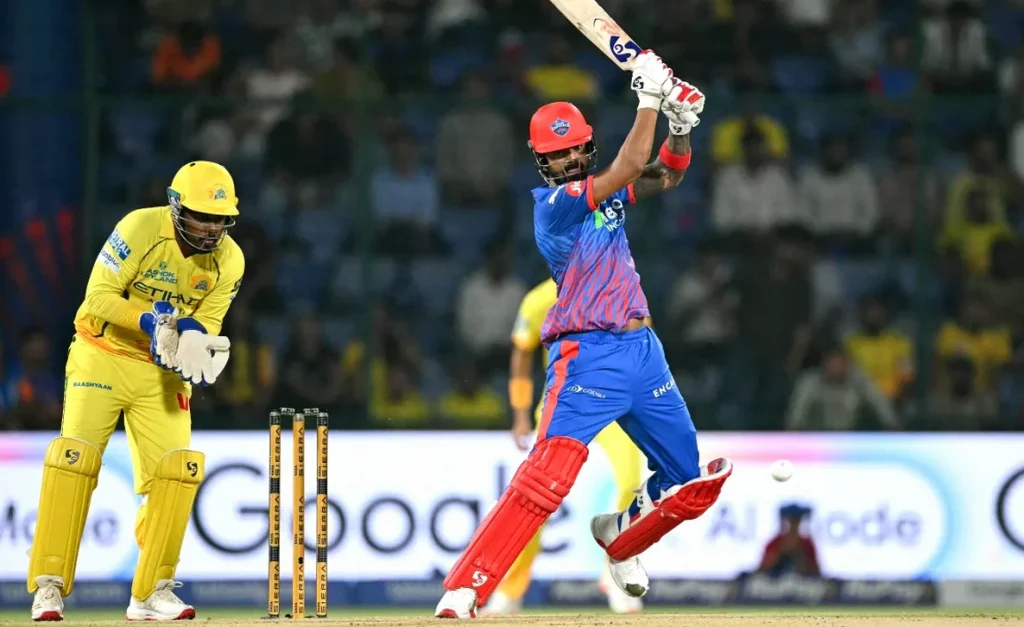
One of the defining storylines of IPL 2026 so far has been the sheer frequency of scores above the 200-run threshold. Totals that once felt like a benchmark in the shortest format are now arriving with regularity: in the opening 49 matches of the season, teams have cleared 200 on 41 occasions. By comparison, the first 48 games of IPL 2025 saw the same milestone reached 12 fewer times, highlighting how much more explosive batting has looked this year.
Why 200-plus totals are coming more often
While the batting has been sensational, there is also a strong belief that the nature of the pitches has played a significant role. The Board of Control for Cricket in India (BCCI) has reportedly recommended that curators should provide limited assistance to bowlers when preparing wickets for IPL 2026 fixtures.
As part of that approach, the BCCI’s plan involves continuing a structure where one curator from the board works alongside the local curator. The stated intention is to keep the pitch-preparation process consistent and avoid outside interference from the franchises.
The same reporting also suggested that during the IPL playoffs and the final, the BCCI’s central group of curators would take full control of pitch preparation rather than leaving it entirely to local teams.
Key pitch guidelines mentioned
- Pitches should not be expected to offer substantial lateral movement for seamers.
- Excessive turn for spinners should also be avoided, with conditions kept fairly uniform for all teams.
- Boundary sizes are set to be restricted, with the maximum distance reported as 77 metres.
How franchises view the impact
Franchise input, as reflected in the comments shared around the same developments, points to a wider trend: many sides prefer similar wicket profiles rather than drastically different surfaces week to week. One franchise member noted that several teams with strong spin resources would favour slightly slower, less lively surfaces. At the same time, teams that rely heavily on seam bowling—especially those with a dangerous new-ball unit—often want a touch more help early on. But with the guidance pushing wickets toward a common template, the member argued that the conditions now resemble each other across venues, regardless of travel or match location.
Another franchise voice linked the same set of recommendations to why some teams have experienced dramatic batting collapses. The explanation was that batters often enter matches expecting a pitch that behaves predictably—true and flat. However, when there is even a small increase in how much the surface allows the ball to come off the pitch, the adaptation required becomes tougher, and that can contribute to batting faltering at key moments.
