
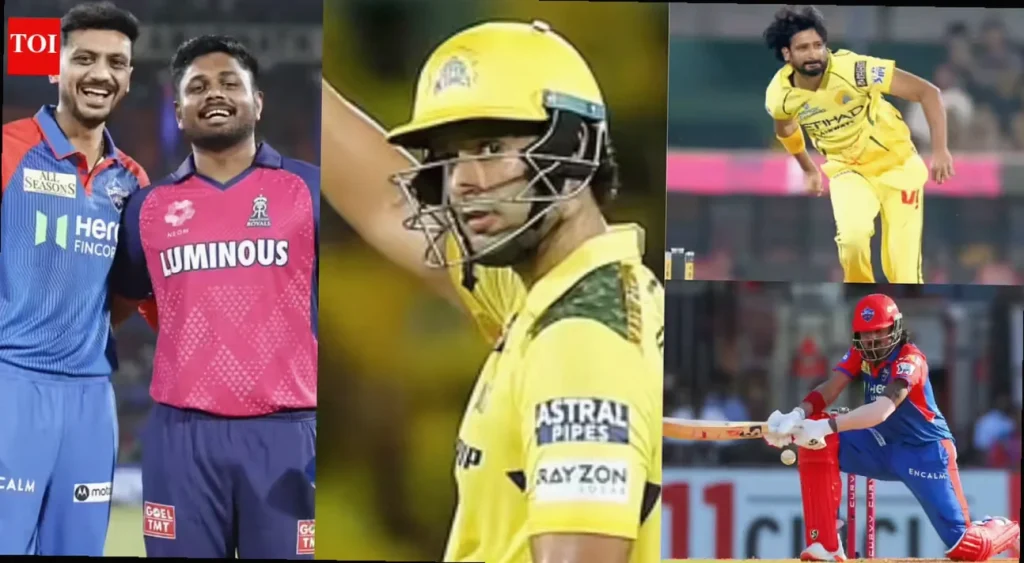
Chennai Super Kings will head into their next IPL 2026 meeting with Delhi Capitals with the kind of pressure that usually follows a patchy start. Both of CSK’s main departments—batting and bowling—have struggled to produce consistent impact so far, leaving the franchise searching for rhythm at the worst possible time. Their bowling has not been at the level expected, but the more glaring issue is their batting card, with skipper Ruturaj Gaikwad and newly added Sanju Samson still waiting to hit peak form. The situation has been further complicated by the absence of Dewald Brevis, which has created a noticeable gap in the batting unit’s depth. Even CSK’s younger recruits have found it difficult to turn promising opportunities into match-defining contributions.
CSK’s near-term swing: two home games within 72 hours
The next stretch is particularly pivotal for Chennai. With two crucial home fixtures at Chepauk coming within a 72-hour window, CSK’s season could effectively pivot during this period—either by building momentum in front of their home crowd or by allowing the early struggles to snowball. The backdrop, however, is not an easy one. Delhi Capitals arrive looking confident, with a side that appears more settled and better balanced across roles, making this matchup a tough test for CSK’s still-evolving combinations.
Delhi’s outlook: squad depth and a return to form
Delhi’s recent defeat to Gujarat Titans may have added a jolt, but their overall team strength remains a major talking point. Capitals have the kind of depth that allows them to rotate and still maintain quality, with multiple players yet to get regular opportunities in the tournament. One name already showing momentum is KL Rahul, who has been in fine touch, scoring an impressive 92 and setting the tone for Delhi’s batting resurgence. Delhi also carry a psychological advantage at Chepauk, having ended their losing run there last season. They will be keen to replicate that turnaround and push CSK into another difficult phase.
Five matchups that could decide the contest
With both teams under different kinds of pressure, several individual battles stand out as potential turning points. From powerplay dynamics to middle-overs control and crucial matchups against specific bowlers, here are the duels most likely to shape the outcome:
- KL Rahul vs Khaleel Ahmed: The early phase could hinge on whether Rahul can neutralise the threat from left-arm pace. Khaleel has historically troubled him, taking Rahul’s wicket once in seven meetings while conceding only 51 runs—an eye-catching record that makes this powerplay clash particularly important.
- Shivam Dube vs Kuldeep Yadav: A classic contest between Dube’s spin-hitting instincts and Kuldeep’s ability to rein in batters in the middle overs. Dube is known for being an “elite” spin performer, striking at better than 160 against Kuldeep, but Kuldeep’s track record has shown he can limit the damage and slow the scoring.
- Sanju Samson vs Axar Patel: Samson’s day could be shaped by how he handles Axar. Axar has often been a difficult opponent in the IPL, and the numbers reflect it: Samson has managed just 70 runs from 63 balls against him, striking at 111.11, with Axar also accounting for two dismissals.
- Ruturaj Gaikwad vs Lungi Ngidi: Another high-stakes matchup between former teammates, with Ngidi holding the edge so far. In two meetings, Ngidi has dismissed Gaikwad twice while conceding only 10 runs—an unsettling stat for CSK’s captain.
- Sameer Rizvi vs Noor Ahmad: A clash of contrasting styles, featuring Rizvi—widely viewed as one of the top uncapped batters in the competition—and Noor Ahmad, one of the tournament’s more expensive spin options. Rizvi’s reputation includes “spin-bashing,” while Noor offers a left-arm wrist-spin problem that Rizvi has yet to face in his young IPL career.
As the match gets underway, the spotlight will be on whether CSK can arrest their batting woes and whether Delhi’s steadier structure can keep them on the front foot—particularly in the early overs and during the key phases where wickets and momentum tend to swing most sharply.
