
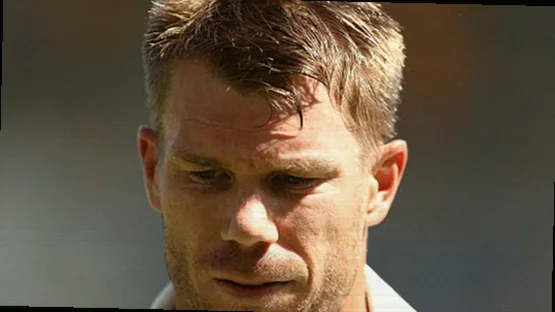
Former Australia opener David Warner has faced sharp criticism after a social media update that appeared to make light of the drink-driving incident involving him back in April. At the time, Warner was in Pakistan Super League action, and once there was a gap between fixtures he returned to Australia, only to find himself caught up in a similar controversy.
Warner was stopped by police in Sydney and later did not clear the breath-analysis test. The post that triggered the backlash showed Warner seated in a car with his daughter, while the caption read: “My DD [designated driver] for the day.”
To some viewers, the message may have seemed harmless or merely playful, especially in the context of a family photo. However, many others argued that such wording trivialises a dangerous offence and diminishes the seriousness of drink driving.
One prominent critic was Ian Luff, the founder of Drive to Survive, who objected strongly to the post. “People look up to high-profile sportspeople and have an expectation that their behaviour sets an example,” Luff said. He added that public figures should not treat the issue casually, stating, “People need a wake-up call, and public figures should be setting a better example, not dismissing it.”
Victims’ advocate Howard Brown also voiced his concerns. “We’re trying to save people’s lives, and he is thinking the whole thing is a great joke,” Brown said, pointing out the potential harm caused by treating the matter as something to laugh at.
Warner, who leads Sydney Thunder in the Big Bash League, was charged with a mid-range offence. After the incident, he returned to Pakistan, but his cricketing fortunes worsened almost immediately.
Before the controversy, Warner’s Karachi Kings had won all three of their matches. Once he came back, their campaign collapsed—so much so that they struggled through a severe dip in performance and ultimately failed to secure a spot in the playoffs.
Drunk driving remains a major public-safety issue, and the criticism of Warner reflects the view that the conduct should be treated with the utmost seriousness. Even if Warner did not intend to offend, those reactions have underscored that a careless message can still send the wrong signal.
Warner has not entered a plea yet, though a guilty plea is widely expected. His lawyer Bobby Hill previously explained, “He knows what he did was wrong. He accepts that it was a reckless decision, a foolish decision to get in his car instead of taking an Uber. It’s not a crime to have a glass of wine on the day of the lord’s resurrection. In fact, some would consider that completely appropriate. His crime is, as I said, choosing a foolish plan A instead of a plan B.”
