
With 19 days remaining before the 2026 Indian Premier League reaches its finish line, the big question is whether the contest between bat and ball has truly swung back in a healthier direction. Not long ago, Mumbai Indians’ 243 proved insufficient as Sunrisers Hyderabad chased it down, yet last evening’s gripping contest between Royal Challengers Bengaluru and MI served as a reminder that a match does not always need a 200-plus script to deliver drama. Sometimes, classic high-scoring duels can create just as much edge—but the broader concern has been how heavily the tournament’s recent trends have leaned toward batters.
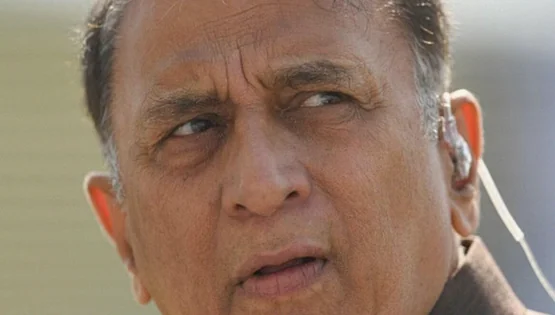
As more and more bowling attacks struggle under batting-friendly conditions, Sunil Gavaskar has offered a fresh proposal to the BCCI aimed at restoring a better balance. The former India captain wants to introduce a reward mechanism for bowlers: an extra fifth over granted in recognition of a standout four-over spell. His argument is rooted in the idea that if batting can be rewarded by allowing batters the full allocation of overs, then bowlers who make decisive breakthroughs should be given a similar incentive.
Gavaskar suggested revisiting the current cap that limits a bowler to four overs. He reasoned that if a batter is permitted to play through all 20 overs, then a bowler who, for instance, takes three wickets within those four overs should be allowed to complete one more over as a reward. He added that teams would then have a stronger reason to hunt wickets rather than focusing only on keeping runs down. In his view, “the best dot ball is the wicket-taking dot ball,” and a wicket could become the trigger for additional attacking opportunities.
He also floated a scenario where multiple bowlers could benefit in a single match: for example, if three different bowlers each claim three wickets, each of them could theoretically earn an extra over. That, Gavaskar believes, would make the whole playing field more even, particularly in a format where numerous elements already stack the odds against bowlers.
Gavaskar pointed to several factors that make bowling harder in the modern IPL environment—small ground boundaries, and strict interpretations around wide calls for bouncers that creep just beyond the batter’s vicinity. With those pressures in mind, he argued that giving bowlers and the captain on the field an incentive to take wickets instead of being overly defensive from the first ball would be a worthwhile experiment.
Insane stats
This season’s numbers underline why such a debate is gaining traction. The IPL has already produced 46 totals of 200-plus runs, the highest count in a single edition of the tournament. Sunrisers Hyderabad have registered the most such scores, with eight. At least one team has crossed 200 a remarkable 26 times, while 20 matches have featured both sides breaching the 200-run mark. The evidence is clear: sixes and fours have become the dominant currency of the campaign.
Even so, Gavaskar feels it would not be a bad idea to begin testing the “one-over bonus” concept at a lower level before considering it for the IPL. He proposes a step-by-step rollout—trial it first in the city leagues, then move to the Syed Mushtaq Ali Trophy, and, if the approach helps level out a tournament that is more friendly to batting, introduce it in the next IPL cycle. He also suggested it could be considered for the 2026 edition’s next season window, or potentially in the subsequent IPL starting from 2028.
