
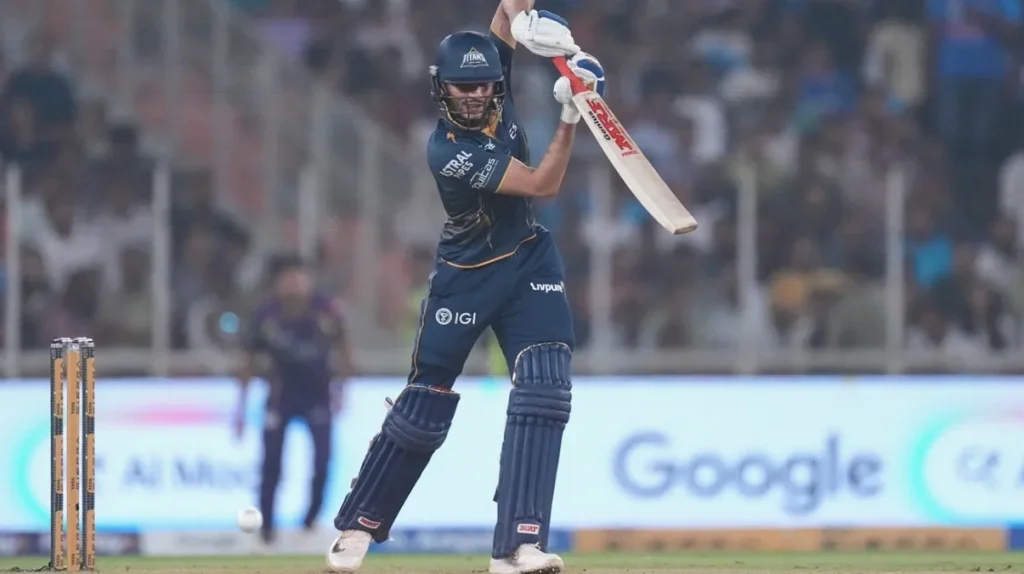
Gujarat Titans may have entered the IPL in 2022, but they have quickly established themselves as one of the most consistently elite franchises in the league’s modern era. Their record since joining reads like a statement of intent: no side has matched their win-loss ratio of 1.6 wins for every defeat across the competition’s first four seasons of their existence. In that span, they have lifted the championship once, finished a title run agonisingly close in another campaign (missing out by only a single delivery), topped the league standings twice, and ended third once.
Success built on restraint, not fireworks
What makes GT’s dominance even more striking is the way they have achieved it. The franchise have not leaned on being a six-hitting outfit, and they have managed to thrive despite ranking as the fourth-slowest team with the bat. Their rise has also coincided with a wider IPL transition: traditional heavyweights are finding themselves overtaken by setups that have invested in young Indian batters, many of whom have elevated T20 aggression and timing to a new level.
That GT managed to finish third on the points table last year and are currently positioned in the top four is an “anomaly” in a league where momentum often favours teams that continually refresh their batting talent. Over the last four years, GT have not added any of the younger attacking names that have become a hallmark of the game’s latest wave—instead, they have focused on strengthening their bowling group.
Batting philosophy: fours, wickets—and control
GT appear to have doubled down on the brand of cricket that has served them well: prioritising wicket-taking and building innings around boundaries, with less emphasis on clearing the ropes. The approach begins with their top order. In the previous season, neither Shubman Gill nor B Sai Sudharsan appeared eager to disrupt bowlers during the powerplay overs. Against good-length and hard-length deliveries in the opening phase, they played only 14% and 11% of balls in the air. Gill’s control rate on those balls stood at 77%, while his overall strike rate was 155. Sudharsan’s overall strike rate was 147.
The numbers underline a key theme—GT batters can sustain high strike rates without taking the same kinds of risks seen elsewhere in the league. At the same time, there is a trade-off in their batting depth. There have been moments when Rashid Khan has been asked to bat at No. 7, which naturally reduces the margin for error and often limits the aggressiveness of the innings. In T20 cricket, though—especially in the current era of Impact Player rules and on flatter surfaces—refusing to take risks can itself become a risk.
Bowling as the engine: experience and “good length” dominance
GT’s style is only sustainable because their bowling unit gives them space to play with structure rather than panic. The franchise have consistently sought out proven, Test-capable fast bowlers. When Mohammed Shami departed, Mohammed Siraj arrived. Kagiso Rabada remains one of the most accomplished Test bowlers in the game, while Prasidh Krishna’s height has helped him translate pace and bounce into the shorter format as well—he has continued to feature in India’s Test setup. Alongside them is Rashid Khan, and GT have also added Ashok Sharma, who is making frequent contributions in the 150+ kmph range.
The ball-to-ball plan is clear: GT aim to land the “good lengths” more often than many rivals. Even though they are not the stingiest side in every metric, this emphasis has helped them produce the best bowling average across their five-year window. That approach was on full display in their Friday win over Kolkata Knight Riders. Gill sensed some movement from the pitch, then turned to Siraj and Rabada during the powerplay. The two seam-bowling leaders repeatedly hit good lengths and extracted seam movement, restricting KKR to 37 for 3 after six overs. Recovering from that position is a rarity in the IPL.
Signs of evolution—and the challenge ahead
There also seemed to be a subtle shift in how Gill and Sudharsan batted. Gill, in particular, stood out because Sudharsan did not stay at the crease long enough to repeat the same patterns. Sudharsan hit six balls in the air during the powerplay. In fact, only once in the past four seasons has he done so more often—and that was in the most recent match. The early signals suggest the team recognises the need to adapt to changing T20 demands, but they appear to be adjusting within their own boundaries.
GT are still working through personnel changes and tactical balance. They are hopeful that Glenn Phillips can help offset the loss of Sherfane Rutherford. They are also looking to Washington Sundar to add batting depth, giving the lineup more flexibility in later overs.
What comes next
GT will likely feel they could have won more decisively after a promising start to their chase, particularly because the opponent was the bottom-placed team. They will get tougher tests against stronger opponents soon, where their method will be tested under pressure rather than merely rewarded by conditions.
With the franchise’s batting style rooted in the last few years’ identity, the immediate question is how far it will evolve—and whether the most consistent side across the past five IPL seasons can continue thriving as the league’s T20 landscape accelerates.
