
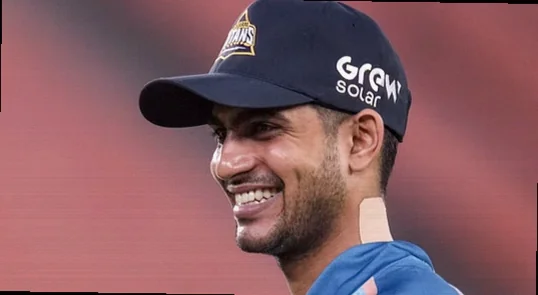
Gujarat Titans’ start to IPL 2026 has been defined less by a lack of talent and more by the difficulty of closing matches when the pressure rises. After losing both of their opening games, including a defeat by six runs while chasing 211 against the Rajasthan Royals, the pattern has looked consistent: the team has struggled to keep control in the most decisive phases. The fact that Shubman Gill was not available for that Rajasthan chase only sharpened the sense of what has been missing at crunch time.
Gill’s return changes the matchup
With Gill now expected to return for the Delhi Capitals clash, the impact is not limited to Gujarat’s dressing room. Across the contest, the opposition camp has also recognised how his presence affects the flow of a game. Delhi Capitals bowling coach Munaf Patel, speaking ahead of the fixture, made it clear that Gill’s influence reaches beyond scorecards. He said, “Shubman is a very big player. He is also the captain of his team. He is a good player. He is young. So obviously, it has an impact – bowlers have some relief if he does not play.”
Sudharsan confirms Gill will play
That “relief” appeared to be real in Gujarat’s previous outing. Even with Sai Sudharsan producing a steady 73, the Titans failed to convert their position into a win as the chase slipped away in the closing overs. Without Gill, the innings lacked the stabilising presence that typically allows the middle overs to be paced properly. Instead, Gujarat was pushed into taking risks earlier than ideal, leaving the middle order to handle pressure situations sooner than they would have wanted.
Sudharsan, who has been Gujarat’s most dependable batter so far this season, confirmed the captain’s availability before the Delhi match. In a pre-game interaction, he remarked, “Shubman is super, he will be playing tomorrow.”
What Gujarat missed without their captain
Gill had been forced to miss the previous game after a neck spasm, with Rashid Khan taking over as stand-in captain. Gujarat still managed to stay competitive, but the absence of a tempo-setter was visible in the way the chase developed. There was also a clear leadership gap, particularly in how the innings was managed during the moments when batters needed to slow things down or accelerate with purpose. For Gujarat, the return of their regular leader brings back a stabiliser at the top—someone whose composure often plays a key role in how the team navigates tight finishes.
Gill’s return also gives Gujarat the chance to reset their batting structure. With the captain back, Sudharsan can work with more freedom early in the innings, while the middle order is less likely to be dragged into emergency roles where they have to repair the situation rather than build on it. Just as importantly, it restores a calm voice in the huddle—one that has frequently helped Gujarat control the final stages of games.
For Delhi, the message is immediate. The period where their bowlers could operate with a sense of comfort tightens again, and the one absence that offered the idea of “relief” is no longer part of the equation as the match approaches.
