
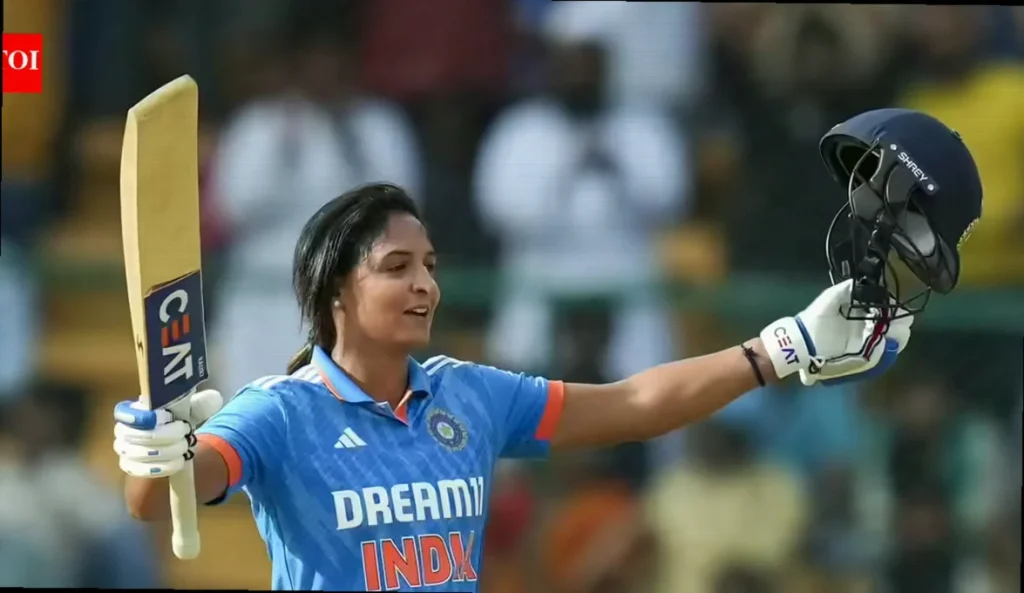
Harmanpreet Kaur will lead India’s women into the ICC Women’s T20 World Cup in England with the kind of momentum that comes from a season-changing journey—and the weight of past heartbreak still lingering. After a milestone year, India returns to familiar grounds for a tournament that has already shaped women’s cricket in the host nation, and Kaur is determined to turn “near miss” memories into a fresh chapter.
Key takeaways
- Harmanpreet Kaur captains India with the T20 World Cup in England as the major focus ahead of the season.
- England hosted India’s ODI World Cup final in 2017, a nine-run defeat at Lord’s that left a lasting emotional impression.
- Kaur described the return as a “full-circle” moment, noting both the same venue and a changed team context after nearly a decade.
- The Women’s Premier League is credited for bringing young players who have already handled high-pressure cricket.
- India’s preparation has been strengthened by the BCCI Centre of Excellence in Bengaluru, which Kaur says has raised training standards.
- A stand at the PCA Stadium in Mullanpur now carries Kaur’s name, reflecting recognition for her long-term impact.
England return brings confidence—and unfinished business
With the tournament set to unfold on English soil, Kaur and the squad arrive looking to reshape their legacy on a stage that has already proven pivotal for the sport. The captain pointed out that England was the setting for India’s ODI World Cup final heartbreak in 2017, when the team fell short against the hosts by nine runs at Lord’s. That final, she noted, helped alter the landscape for women’s cricket in England and created a belief that has continued to grow.
Asked whether there is a lingering sense of unresolved business, Kaur did not hesitate. She said the past year gave the group a strong boost and that India will travel with a confident, upbeat mindset, aiming to do their best from the start.
For Kaur personally, the trip is also symbolic. Nearly ten years after the 2017 campaign, the venue remains, but her role and the team’s identity have evolved. She now leads a side that she believes combines proven experience with a deep sense of belief—something she considers crucial for major tournaments.
From a young hitter to a World Cup-winning captain
Kaur framed her journey as closely tied to the broader rise of women’s cricket in India. She spoke about how her development—from a young power-hitter back in 2009 to a captain now spoken of in the same breath as legends like Kapil Dev and MS Dhoni—has mirrored the growth of the sport at home. While she described the comparison as unexpected, she called it an honour, adding that she has always wanted to be part of a movement that keeps women’s cricket pushing forward.
In her view, the pathway has become more robust, and the current team benefits from that momentum. She highlighted how the presence of younger talent has added depth in the dressing room, strengthening India’s options across the squad.
The WPL impact and a shift from pressure to privilege
A major part of that depth, Kaur said, has been shaped by the Women’s Premier League. She explained that players entering the national setup are often already well prepared because they have experienced the demands of high-stakes cricket through the WPL. Kaur added that this reduces the need to build confidence from scratch, because many of the new recruits already understand the style of cricket they want to play.
She also described how her own mindset has changed over time. Kaur recalled that earlier in her career she felt pressure intensely, but now she sees the role as a privilege. With the hard work already done, she said it is about enjoying the moment and taking in the experience of living the dream on cricket’s biggest stages.
Better preparation through COE and recognition at PCA Stadium
Behind the results, Kaur pointed to a transformation in preparation standards. She credited the BCCI’s Centre of Excellence in Bengaluru for raising training levels, calling it an “amazing facility” that provides what the team needs to improve. She said last year’s outcomes were evidence that the system is working as intended.
Recognition has followed sporting success as well. Kaur revealed that a stand at the PCA Stadium in Mullanpur now bears her name, and she described the moment as special. She said she never expected such an honour, but believes it underlines the idea that years of effort truly pay off—both in performance and in the lasting impact a player can make.
As India look forward to the T20 World Cup, Kaur’s story—and the team’s preparation—reflect a continuous evolution: from personal milestones to structural improvements, and from tournament heartbreaks to fresh ambitions on a world stage.
