
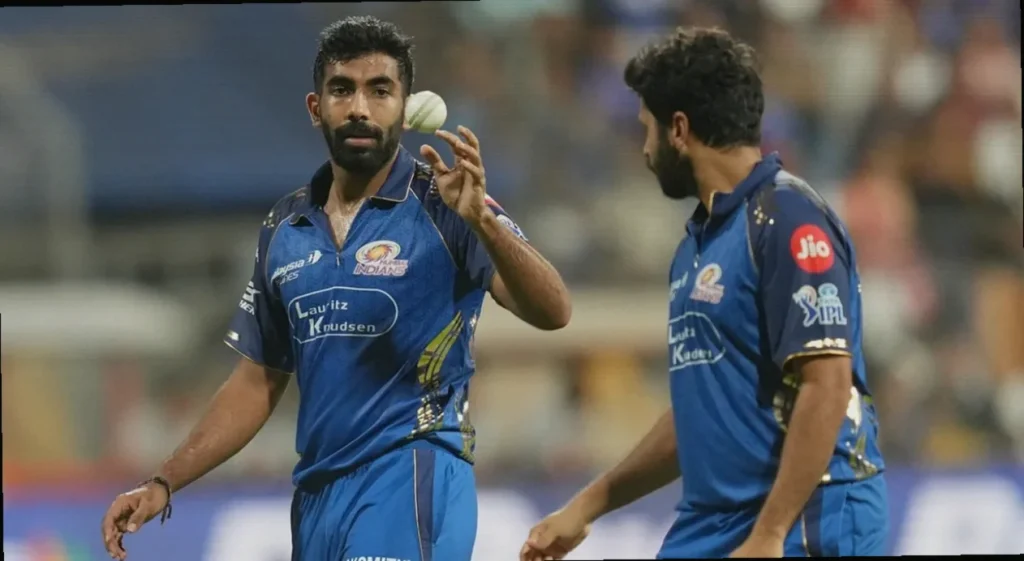
Mumbai Indians’ IPL campaign has started with promise but quickly slipped into trouble, with the franchise suffering four defeats in just five matches—two of those losses coming on home soil. After a opening win, the five-time champions have struggled to sustain momentum, and head coach Mahela Jayawardene believes the team is still searching for the “spark”. While he pointed to bowling as the clearest area that hasn’t fully come together, Jayawardene stressed that the weight of results does not fall on captain Hardik Pandya alone.
Jayawardene’s message: it’s a collective responsibility
Speaking after Mumbai’s seven-wicket loss to Punjab Kings, Jayawardene pushed back against the idea of singling out the skipper or any one individual for the team’s downturn.
“I don’t think it’s just on Hardik. I think it’s on every one of us when we are not doing well,” Jayawardene said. “It’s not an individual. It’s pretty much on me, everyone who is involved in the management, and all of us to figure out how we can improve.”
He added that the team feels it is still capable of playing good cricket, but other sides have been more ruthless in key moments.
“I know we are playing good cricket. We are not getting knocked out completely, but at the same time other teams are much better—more clinical. Obviously, when you get that kind of start you build confidence quickly. We just need to control the phases we can control. So it’s not just on one individual. As a franchise and as a team management, we need to do things better to fall into some rhythm and then string together a few wins that bring confidence back,” Jayawardene said.
Injuries and availability disrupt combinations
Jayawardene also linked Mumbai’s inconsistency to player availability, with injuries and illness forcing adjustments to their line-ups and match-day combinations.
Rohit Sharma missed the Punjab Kings fixture due to injury. Mitchell Santner, who arrived at the franchise after IPL 2026 began, was absent because of illness. Hardik Pandya, meanwhile, was also unavailable for the match against Delhi Capitals earlier after feeling unwell.
- Mumbai’s four defeats came in different match scenarios: two away and two at home.
- Jayawardene said the team experimented with combinations, but some selections were driven by injuries and players not being available.
- The coaching staff are trying to shape plans around whoever is fit, while still searching for the right rhythm.
He further explained that while Mumbai have glimpsed “spark” in certain areas, they are falling short against opponents—particularly in bowling—where they have not been able to break through with enough penetration.
“We are finding some spark in certain areas, but the other side is finding that especially with the ball; we haven’t been able to penetrate oppositions. That’s something we really have to work harder at,” Jayawardene said.
Bumrah’s wicket drought and workload management
Despite Mumbai’s struggles across disciplines, their bowling woes have stood out sharply. Jasprit Bumrah has gone wicketless in all five matches, and against Punjab Kings he conceded runs at a rate of 10.25. Jayawardene addressed whether Bumrah’s lack of wickets is adding pressure on the rest of the bowling group.
“I think Bumrah is bowling well—it’s just where we are not putting pressure in the powerplay,” Jayawardene said. “They [opposition batters] know they don’t need to take too much risk against Bumrah, and we have tried a few different things, which he is also trying. But they are batting well.”
Jayawardene said he did not want to label any single reason for the wicket drought, but insisted the team needs to improve as a unit across different conditions and phases.
“I can’t put a finger and say why he’s not taken wickets. But as a unit we have lacked that penetration in different surfaces, and that’s something that we need to work at and see what we need to do,” he added.
He also revealed that Bumrah has been bowling at a slightly reduced pace, which he attributed to workload management after an earlier niggle.
“I think initially because he had a slight niggle… we wanted to build him up. Over the last few games his speeds have gone up. We’ve looked at all that, so he’s very comfortable,” Jayawardene said.
Jayawardene went on to suggest that match-up factors and timing can influence wicket-taking, and that Bumrah’s spell had included genuinely strong deliveries—particularly against Shreyas Iyer—without quite getting rewarded early.
“Sometimes you need a bit of luck as well: the other bowler is taking a few wickets and then he gets some match-ups which he’s very comfortable with, very good. He bowled some really good balls initially to Shreyas [Iyer] as well, wasn’t lucky enough. I think once he starts taking wickets, might not be able to stop him doing that,” Jayawardene said.
Rohit’s return: day-to-day approach
On Rohit Sharma’s comeback, Jayawardene indicated the franchise is taking a cautious, short-term view rather than rushing him back into full action.
“On Ro, he started running yesterday. [We’ll take] day to day to see how he feels,” Jayawardene said. “He knows his body better than anybody else, so it’s nothing serious. But at the same time we don’t want to push—it’s early season still.”
