
The Indian Premier League has long outgrown the label of a standalone cricket event. It is now viewed as one of the most valuable franchise sporting properties on the planet, setting a template for other leagues worldwide and shaping how cricket administrations scout and judge talent for big-format competitions.
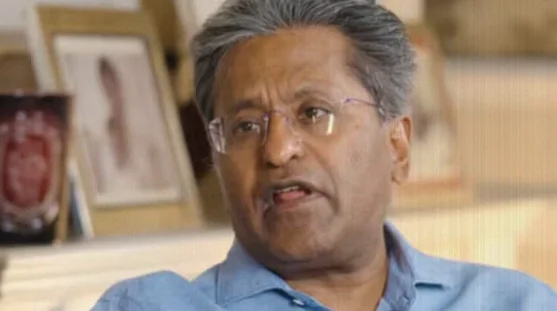
Lalit Modi, widely credited as the IPL’s driving force, remains central to the league’s origin story. Saba Karim, a former India cricketer, has said Modi first took the proposal to the BCCI in the late 1990s—long before T20 cricket became mainstream. The IPL itself finally got underway in 2008, and it wrapped its 19th season on May 31, with the league’s valuation climbing to fresh heights.
Quick facts
- Lalit Modi is described as the architect of the IPL.
- Saba Karim said the concept was pitched to the BCCI in the late 1990s.
- The IPL began in 2008 and finished its 19th season on May 31.
- Modi said the league would not have succeeded without his involvement.
- In 2010, he was removed as IPL commissioner and BCCI vice-president, later receiving a life ban for corruption-related charges.
- The charges included alleged irregularities in franchise bidding and unauthorised sale of media and internet rights.
- Chirayu Amin, Rajiv Shukla, Ranjib Biswal, Brijesh Patel and Arun Singh Dhumal have served as IPL chairman since 2011; Dhumal has been in the role since 2022.
In remarks that defended his record, Modi delivered a combative stance on his IPL legacy. He argued that the tournament’s success was inseparable from his role, adding that even after years of criticism, he does not consider any of his choices as errors. His message was that the league’s launch and growth were not accidental, but the result of deliberate planning.
Modi claimed he was targeted and “cut to size” due to various internal pressures, insisting that jealousy and scepticism surrounded the project. He framed the IPL’s emergence as something that could not have happened without the specific vision and drive he brought to it, questioning why people were still discussing him years later even after he had moved away from the game.
He also pushed back on the idea that the IPL concept appeared spontaneously. Modi said the model went through extensive research and relied on his own learning from the process, arguing that other attempts around the world to replicate the format failed. When critics call his actions a mistake, he maintains that he did not make one and suggested that even if he were to do it again, the approach would remain essentially the same.
Legal fallout and alleged conduct
Modi’s link with the IPL continued until the end of the third season. In 2010, he was removed from his positions as IPL commissioner and BCCI vice-president, and later received a life ban from cricket administration tied to corruption-related allegations.
The allegations, as described in these accounts, pointed to supposed irregularities in the bidding process for two new franchises in 2010. They also referenced the unauthorised sale of broadcasting and internet rights, issues that ultimately formed the basis of his ban.
Despite the turbulence, Modi revisited the period with a focus on what he sees as the most significant regret from his time running the league. He said he left India without establishing a governance arrangement that would have given the IPL and its franchise owners a stronger, direct role in how the tournament was managed.
Modi’s view was that he handed too much influence to the BCCI, even though he believed he had the leverage to shape the league’s administration differently. He said the founder of the IPL should always have a seat on the league’s governing board, and he described his decision-making as overly tilted toward the BCCI rather than shared authority.
He added that, at the time, he could have imposed the structure he wanted because many people expected the project would fail. Modi said the stakeholders did not truly treat the league as something they needed to nurture, and he claimed that he had already drafted the constitution for a separate company to be formed—while acknowledging that money might have still flowed through the BCCI.
In his account, the key point was governance: he believed the administration should have been run in partnership with the IPL owners alongside the BCCI. That, he argued, would have aligned the league’s control with those investing in it.
Chairmen timeline
Moving beyond Modi, the IPL’s administrative leadership has continued to evolve. Since 2011, Chirayu Amin, Rajiv Shukla, Ranjib Biswal, Brijesh Patel and Arun Singh Dhumal have served as IPL chairman, with Dhumal holding the position since assuming office in 2022.
