
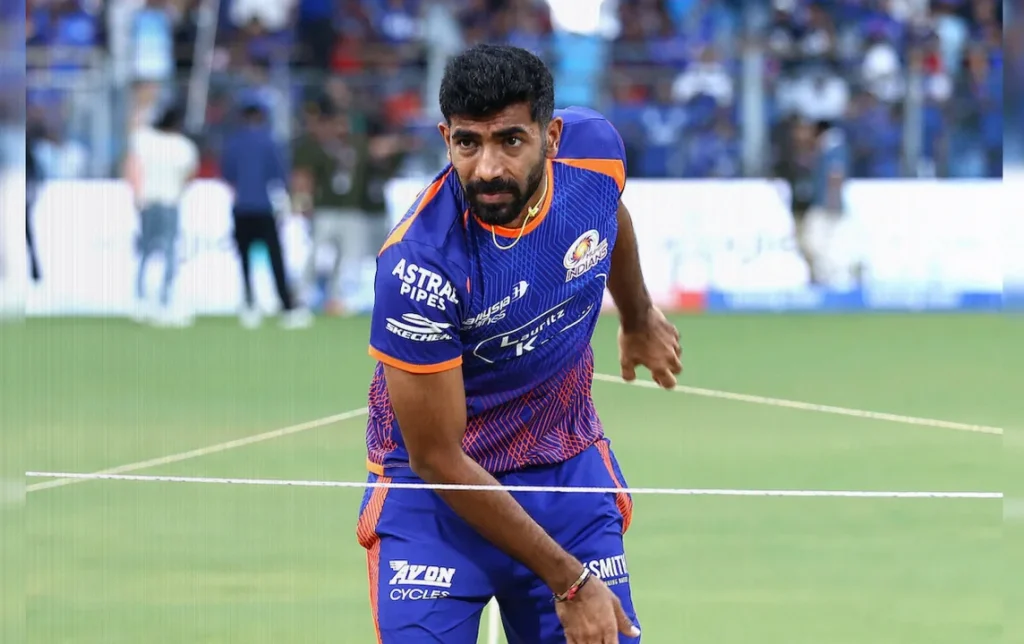
The Indian Premier League (IPL) 2026 has begun on a familiar but uncomfortable note for five-time champions Mumbai Indians, who now sit under pressure after winning just once in their first four matches. The loudest complaints are aimed at a bowling unit that has not looked sharp enough, even with Jasprit Bumrah leading from the front. Through the opening four games, Bumrah has not taken a single wicket, turning his early campaign into a talking point across the league.
Quick facts on MI’s bowling strain
- Mumbai Indians have won 1 match out of 4 in IPL 2026.
- Bumrah has taken 0 wickets in the first four matches.
- MI bowlers’ best economy figure in this stretch is Bumrah’s 8.20.
- More economical bowlers (min. 8 overs) include Mohammed Shami (6.25), Rashid Khan (6.87), Sunil Narine (7.45), Axar Patel (7.85), and Lungi Ngidi (8.04).
- Trent Boult has conceded 110 runs for 1 wicket in three games (economy 12.22).
- Shardul Thakur has 5 wickets this season but is conceding over 13 runs per over.
- MI have conceded more than 11 runs per over overall, with 15 wickets in four matches.
- In overs 7–16, MI concede 11.14 runs per over (worst in the tournament) and take only 7 wickets.
- Bumrah is the only Mumbai pacer (2+ games) to be wicketless; Boult, Thakur, and Deepak Chahar have at least one wicket each.
Calling Bumrah “poor” doesn’t stand up to the numbers in isolation. His value from one end remains elite in terms of control, and he has been limiting the damage rather than leaking runs at will. Still, the bigger problem is that Mumbai’s bowling attack cannot consistently generate pressure from the other side of the wicket, which reduces the chances of breakthroughs even for a bowler of his calibre.
The economy picture underlines the gap in impact. While Bumrah’s rate of 8.20 is the best among MI’s bowlers, several rivals with at least eight overs have been far tougher to score against. Mohammed Shami (6.25), Rashid Khan (6.87), Sunil Narine (7.45), Axar Patel (7.85) and Lungi Ngidi (8.04) all manage to combine control with wickets more regularly than Mumbai have managed so far.
What hurts most is the “wicketless” label. Bumrah has been slowing the flow of runs when compared to his own teammates, but he has not been delivering the kind of wicket that breaks partnerships in the middle stages. In T20 cricket, wickets are the sharpest tool for reducing scoring speed, and Mumbai’s inability to secure early or mid-innings breakthroughs has left the rest of the attack exposed.
Numbers behind Mumbai’s bowling misery
Bumrah’s struggles are not happening in a vacuum; other high-profile pacers have also struggled to add meaningful totals to their wicket tally. Overseas pace spearhead Trent Boult has conceded 110 runs for just one wicket in three matches, resulting in a costly economy of 12.22. Deepak Chahar, meanwhile, has not consistently found the threat that typically comes with his powerplay bursts.
Shardul Thakur has been the leading wicket-taker for Mumbai this season, grabbing five scalps, but his spells have also been expensive, with his bowling costing more than 13 runs per over. Taken together, the season’s bowling statistics paint a worrying picture: Mumbai Indians are the only bowling side to have conceded at over 11 runs per over so far. With only 15 wickets in four games, their lack of penetration has been clear.
The middle overs—overs 7 to 16—have been especially damaging. During this phase, Mumbai have conceded 11.14 runs per over, the worst mark in the entire competition, and they have taken just seven wickets. Only Rajasthan Royals have managed to take fewer wickets in these crucial overs, underlining how difficult it has been for MI to regain control once the chase settles.
One additional detail makes the situation stand out: among Mumbai pacers who have played at least two games, Bumrah is the only one without a wicket. Boult, Shardul Thakur and even Deepak Chahar have all found at least one scalp in IPL 2026, while Bumrah’s wicket column remains blank.
Not the whole problem, but still a responsibility
It would be unfair to pin all of Mumbai’s bowling issues on Bumrah alone. The team’s bowling has multiple moving parts, and the broader unit has not created enough pressure for long enough. Even so, as the primary spearhead, his role carries additional weight, and his responsibility is larger than that of teammates who bowl in a more secondary capacity.
His economy suggests he is doing the containment job, but the question now is whether Mumbai need a tactical shift—something that pursues wickets more directly, even if it occasionally costs him a few more runs. Right now, opponents do not merely approach Bumrah with caution; they plan around the possibility of surviving his overs and then attacking the rest of the bowling unit. That mindset has to be disrupted.
For Mumbai to arrest their slump for the remainder of the campaign, Bumrah needs to help change the mental equation for batters again—finding a route to breaking partnerships and injecting fear into the batting side. The attack can’t afford to keep depending on containment alone, especially in a tournament where wickets are often the fastest path to slowing the game down.
