
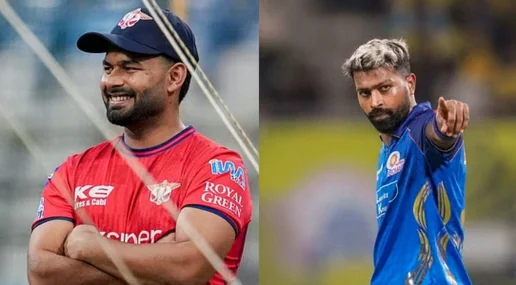
Mumbai Indians take on Lucknow Super Giants at the Wankhede Stadium tonight in an IPL 2026 contest where urgency matters more than momentum. MI have managed just two victories from nine matches, while LSG sit marginally ahead with two wins from eight. On paper, both franchises are still in the hunt, but the room for errors is shrinking fast—another defeat would make the playoff path extremely hard to reach.
Season pressure and what both teams must fix
MI’s campaign has not yet settled into a rhythm that matches the names in their squad. Even with Hardik Pandya, Suryakumar Yadav, Rohit Sharma, Tilak Varma and Jasprit Bumrah available, the side has struggled to put together steady performances across matches. Their batting has frequently relied on short bursts rather than sustained innings, and their bowling has not consistently closed out games with the level of authority needed in tight finishes.
Selection volatility has added another layer of difficulty. MI have experimented with multiple combinations throughout the season, which can blur roles and responsibilities. At Wankhede, that uncertainty can be punished quickly: the venue tends to reward teams that commit to clear batting plans. When a side falls behind early direction, it often spends the rest of the innings trying to repair the damage instead of setting the tempo from the front.
LSG’s focus: Pant, Inglis and the key bowling battles
For LSG, the biggest storyline is Rishabh Pant’s current form. His impact is larger than the typical responsibilities of a middle-order batter in this setup—he is the captain, the most expensive player in the squad, and the figure expected to steer innings during high-pressure phases. LSG will want him to convert starts into innings that swing the match, not merely add runs in the middle overs.
Josh Inglis’ presence also brings a potentially decisive option for LSG. If the team selects him, he can slot into the middle order and, when required, keep wickets while also offering extra pace to disrupt spin and medium pace. His inclusion could shift the balance of LSG’s batting, and it may also ease pressure on both Pant and Nicholas Pooran by sharing the workload of controlling momentum.
The matchup that could decide it
The contest is likely to hinge on how MI’s bowling in the new-ball phase and at the death overs stacks up against LSG’s top and middle order. Bumrah remains Mumbai’s most critical weapon, but MI’s challenge is to provide support around him rather than relying on one bowler to do all the heavy lifting. If LSG can force MI to use Bumrah in a defensive mode, it could open up scoring routes against the rest of the attack.
MI’s batting plan vs LSG’s bowling, plus what it takes to win
For MI, their batting start could define the evening. Rohit Sharma’s role and availability will matter, and Suryakumar Yadav’s ability to set the tempo through the middle overs may be even more important. Wankhede can allow attacking cricket, but MI cannot afford another chase or total that is built only in fragments. They need at least one batter to stay deep and another to keep the run-rate moving alongside him.
LSG do carry the stronger recent head-to-head record against MI, yet that history will not automatically decide this game. The result will more likely come down to execution: how well teams handle the powerplay, how effectively they control the middle overs, and whether they finish calmly during the final stage.
Both teams face the same test: discipline
- MI are chasing a clean home result to keep their season truly alive.
- LSG need a result that proves their campaign has not started slipping into damage control.
- Both sides possess individual quality, but neither has consistently produced complete team performances.
- The match becomes a direct measure of discipline—staying structured when momentum turns.
