
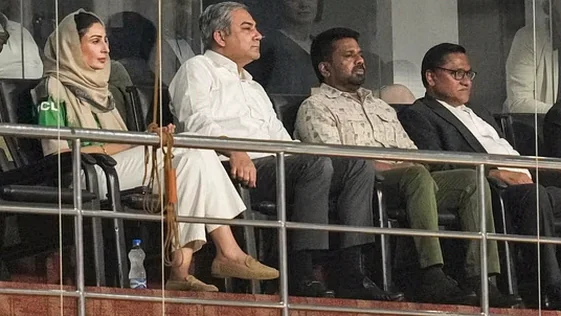
Pakistan Cricket Board chairman Mohsin Naqvi’s potential trip to India has emerged as the most closely watched side story ahead of the ICC’s next round of key meetings, scheduled to be held in Ahmedabad across the IPL 2026 final weekend. With the city set to host the tournament’s showpiece event at the same time, any development involving Naqvi’s presence could quickly take on a political dimension beyond cricket administration.
ICC governance dates and location shift to Ahmedabad
The ICC’s agenda includes two distinct meetings. The chief executives’ committee meeting is set to be conducted virtually on May 21. The in-person ICC Board meeting is then scheduled for May 30 and May 31 in Ahmedabad, placing the global body’s leadership discussions directly alongside the IPL 2026 finale.
Originally, these meetings were planned for Doha in the March–April window. They were later relocated to India after the ongoing situation in West Asia prompted the change in venue.
Why Naqvi’s India visit carries extra political weight
Naqvi, who leads the PCB, would ordinarily be expected to represent Pakistan at an ICC Board meeting. However, his travel to India remains uncertain, largely because of the strained relationship between the two countries, which is reflected in both politics and cricket administration.
The timing further heightens the sensitivity. Ahmedabad is also earmarked to stage the IPL 2026 final, which means the final weekend of May will place the city at the centre of the cricket world. In that context, a PCB chairman’s physical presence—or absence—could be interpreted in multiple ways.
Report of an invitation and the backdrop of earlier disputes
A report from Geo Super, a Pakistan-based outlet, claimed that Mohsin Naqvi has been extended an official invitation to attend the IPL final. The report also noted that the claim could not be independently verified. No confirmation or clarification has been issued from within India on the matter, but the development is widely viewed as an attempt by Pakistan to generate public attention around the idea of Naqvi attending the event.
It is also not being treated as a straightforward cricket-board visit. Naqvi’s role extends beyond his position at the PCB: he is Pakistan’s federal interior minister and also serves as the president of the Asian Cricket Council. Those overlapping responsibilities add an additional layer of political significance to any travel decision.
Past trophy controversy and what it means for the ICC meeting
The atmosphere around Naqvi has already been strained due to a high-profile episode during the Asia Cup trophy controversy in Dubai. Reports stated that India refused to collect the winner’s trophy from him after the final. The stalemate eventually resolved when Naqvi left the stadium with the trophy and the medals, and the silverware has since remained kept in Dubai under his instructions.
Following that sequence of events, the BCCI later demanded the return of the trophy and escalated the matter to the ICC level, intensifying the administrative distance between the two boards. Naqvi’s subsequent comments—stating that the Pakistan Super League was on track to overtake the IPL commercially—added yet another strand to an already tense relationship.
How the ICC meeting could be framed
For the ICC, the Ahmedabad gathering is expected to fall within its routine governance calendar. For India and Pakistan cricket, though, the attention is focused on whether Naqvi attends in person, whether he skips the trip, or whether Pakistan chooses to send a different representative.
With the next few days likely to clarify the travel and representation details, the upcoming ICC meetings in Ahmedabad could either remain a standard administrative process—or become the next flashpoint in the long-running India–Pakistan cricket standoff.
Related update
Also Read: Pakistan pacer Hasan Ali stretchered off after freakish head injury on Day 1 of Sylhet Test against Bangladesh
