
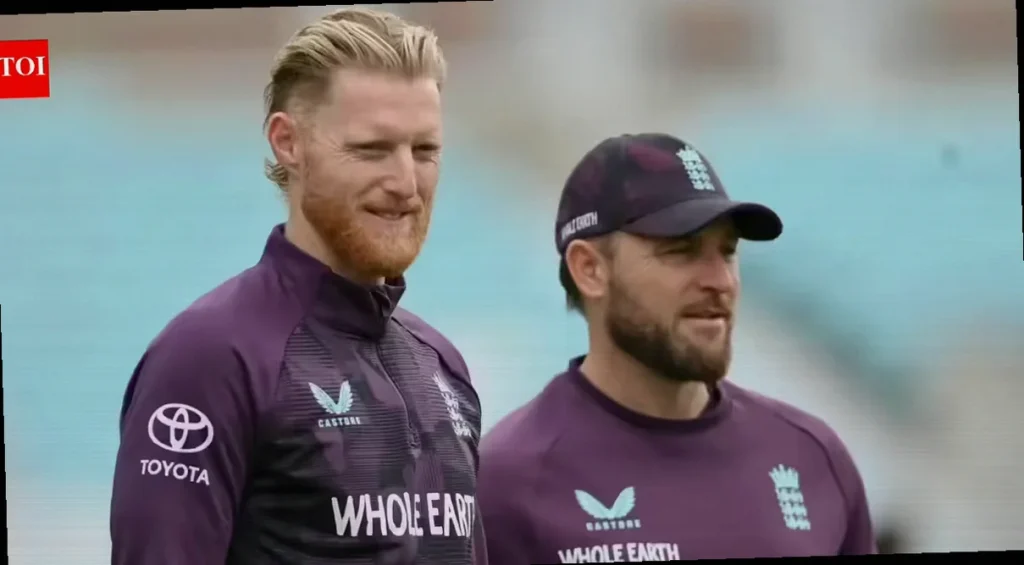
Overcast skies hung above Lord’s for the opening Test of England’s summer, and while the air looked unsettled, it was dry enough for the toss to settle matters quickly. Ben Stokes and Tom Latham were already on the field as the coin was flipped, with Latham getting the call right. New Zealand chose to bowl first, setting the tone for a match that carries far more than just two teams’ first innings.
Robinson’s recall adds a key edge
One selection storyline has loomed over the build-up: Ollie Robinson’s return to the England XI. During the Ashes, England felt they lacked a genuinely hostile seam option capable of unsettling batters with the new ball, and Robinson’s inclusion is aimed directly at that concern. His Test numbers underline why the selectors are willing to gamble on impact—he has 76 wickets at an average of 23 across 20 matches, a record that suggests he can consistently threaten when conditions allow.
However, his path back has not been smooth. Robinson was left out in 2024 after fitness and attitude concerns undermined trust within the environment. Since then, he has worked to repair his standing, and England believe the progress has now reached the point where another opportunity is justified. Captaining Sussex this season has also been viewed as an important step in his development, and with Jofra Archer and Brydon Carse unavailable, the opening has widened. Robinson knows the moment could be decisive: if he produces strong performances, it could help secure his place again; if he fails, doubts are likely to return. Either way, his comeback gives the Test an added layer of intrigue at a time when England’s summer is already under the spotlight.
New faces at the top of the order
England have also opted for change in how they approach batting at the start. The selectors have grown frustrated with Zac Crawley and Ollie Pope and have looked to fresh options for Lord’s. Emilio Gay, a Durham opener, and Jacob Bethell have been drafted into the side, a move that signals England are prepared to turn the page rather than persist with familiar names that struggled to make an impact during the Ashes.
Gay arrives with a strong domestic profile, including three hundreds in the current County Championship season. His background makes the selection even more notable: he played three T20 internationals for Italy last year, meaning this Test appearance could see him become a dual international at the highest level. Bethell, meanwhile, comes in with momentum of his own. He scored his first Test century in the final Ashes match in Sydney earlier this year, and England will be hoping that confidence transfers immediately to the pressure of a home Test.
For England, these decisions reflect more than just form—they reveal how the team is thinking about its future. Selection calls often become a statement of intent, and these inclusions suggest England are willing to move on if performances do not improve. The Lord’s Test, therefore, is not only about winning; it is also about giving new players a platform to establish themselves against top-class opposition.
Behind the scenes, Brendon McCullum has already reshaped England’s mindset in Test cricket once, and now he must respond to another significant challenge. After England’s disappointing Ashes, questions resurfaced about the team’s direction and whether the culture provided the necessary accountability. McCullum retained his role after the review, but the expectations have not dulled—if anything, they have become sharper.
The former New Zealand captain understands the scrutiny that comes with a backlash. Speaking after criticism following the Ashes, he said: “You have got to handle a little bit of the backlash.” England’s response has included changes off the field as well as on it. A curfew has been brought back, and additional staff members have joined the setup. One of the most talked-about appointments is Sarah Taylor as a fielding coach, making her the first woman to coach England’s men’s Test side.
Yet for McCullum, the central objective remains the same: help England win matches. His aggressive approach transformed England when he took charge in 2022, and now the key task is proving that style can still deliver after a difficult stretch. New Zealand arrive as the first major test of England’s summer, and it could also offer an early indication of whether the team has truly moved on from the disappointment of Australia.
Lord’s itself adds another layer to the occasion. Few grounds in world cricket are as strongly tied to tradition as the Home of Cricket: the Long Room, the famous slope, the bell that rings before play, strict dress codes, and the honours boards all contribute to a unique atmosphere that players often describe as special long before the first ball is bowled.
But when England take on New Zealand, history will only be part of the story. The focus will be on the future, and England know that. They are trying to shake off the frustration left by an Ashes defeat that left supporters searching for answers rather than simply celebrating survival and momentum. The contrast between the venue and the moment feels sharp—Lord’s represents continuity, while England are seeking improvement.
Ultimately, performances on the field will shape the conversation. A strong start to the summer could quickly lift the mood around the squad, while another underwhelming display would bring further scrutiny. That is why this match matters beyond the usual rhythm of the schedule: it is England’s first chance to show whether they learned lessons from the tour of Australia and whether they are ready to move forward.
England begin their home season under real pressure, even though a return to Lord’s is usually framed as a fresh start. The reality is that the atmosphere around the team is different from what they would have wanted. A home Test at such a famous venue typically offers an opportunity to reset, but England arrive with the weight of a disappointing Ashes campaign in Australia still attached.
The tour ended with a heavy defeat, and England lost the series in just 11 days before Christmas. That rapid collapse raised concerns not only about preparation and tactics, but also about off-field discipline. Reports of excessive drinking became a major talking point, drawing criticism from supporters and media alike and intensifying the scrutiny on the group.
Despite the backlash, the leadership structure remained unchanged. Director of cricket Rob Key, coach Brendon McCullum, and captain Ben Stokes all stayed in place through the review that followed the Ashes, a decision that did not sit well with everyone. McCullum acknowledged the criticism, saying: “You have got to handle a little bit of the backlash.” Now England have a chance to shift the focus back to cricket itself. A strong performance against New Zealand will not erase the memories of Australia completely, but it could mark the beginning of rebuilding confidence—among players and supporters alike.
