
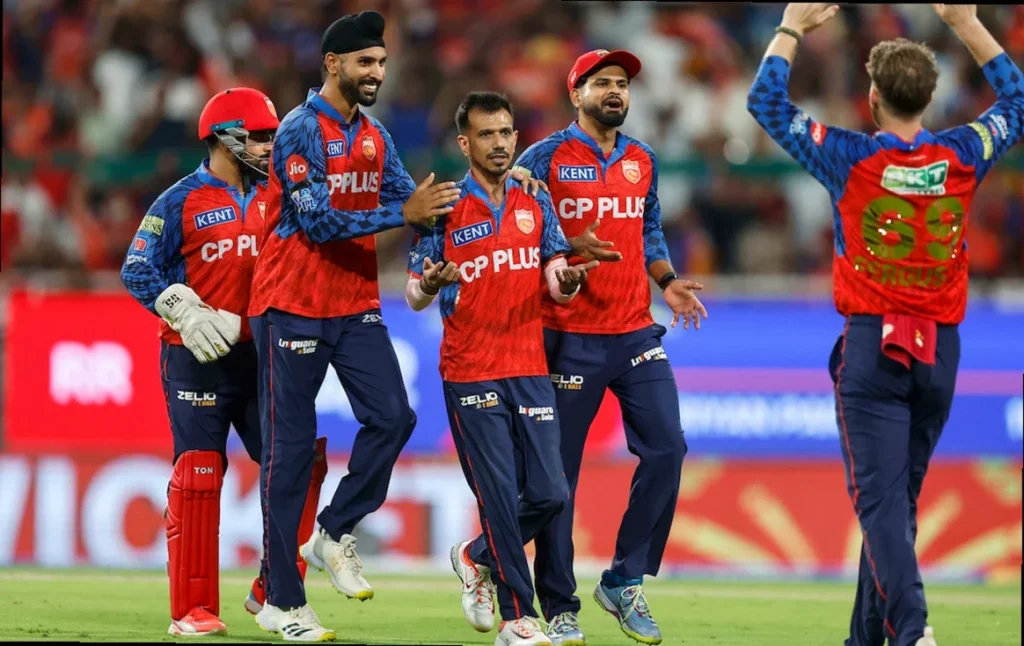
Punjab Kings may be sitting at the summit of the IPL standings, but the picture around Shreyas Iyer’s side is far from flawless. With the bat, they have been almost unstoppable this season—producing two of the five highest team totals of the campaign, including one innings where they set a target and another where they chased successfully. Yet that momentum is being challenged by a worrying pattern from the other end: in seven completed matches, PBKS have allowed opponents to reach 200-plus on five occasions, and they have also conceded a score of 195. Only Mumbai Indians have a poorer economy rate than PBKS, who are conceding at 10.5 runs per over, and their wicket-taking has not translated into stinginess—no side comes close to the 41.72 runs PBKS have surrendered per wicket, as they have taken 36 wickets in total. As the tournament tightens, that imbalance could become increasingly difficult to manage.
Trevor Gonsalves, the Assistant Bowling Coach, played down the alarm, arguing the raw figures do not capture the full story of Punjab’s bowling performances.
“We know cricket is heavily in favour of the batsmen. Yes, people are pointing at the bowling unit, but I don’t see it that way. It’s about one game where the opposition played better. There are things we could have done differently, and we’ve worked on those. It’s only our eighth match, and we’ve lost just once. Also, don’t forget that we scored 250 in one of those games.”
The focus, however, is hard to avoid—particularly on Arshdeep Singh. The left-arm pacer is experiencing what has been described as his toughest IPL season so far in terms of both economy and batting average conceded. Even in the most recent outing, questions were raised about his lack of variety, with the absence of slower-ball options coming under scrutiny.
That downturn is notable given Arshdeep’s established record and the experience he brings from being part of two T20 World Cup-winning set-ups. Despite his dip, he is still leading Punjab’s wicket charts with eight scalps, though his overall standing in the tournament’s wicket race sits as low as 22nd.
Even with that uneven form, the franchise has not changed its stance. Gonsalves stressed that Punjab have stayed committed to their bowling group and their style of play.
“We haven’t made changes in the last 7-8 games, except the most recent one. There have been good and not-so-good performances, and many suggested changes. But we want to play fearless cricket. We’re backing the boys – go out there, express yourselves, and prove it.”
That “fearless” identity is central to Punjab’s approach this season. Gonsalves reiterated that, in their view, the mindset is as important as the execution.
“I think we play a different brand of cricket compared to others. It’s fearless. We go all out.”
Beyond the philosophy, there is also a potentially significant personnel boost on the way. Lockie Ferguson has rejoined the squad after time away due to personal commitments, and his return is expected to play a role in giving the bowling unit more stability.
“Humanity comes before cricket – we supported him through everything,”
“But we all know what Lockie brings. He was always part of our starting plans. Bartlett was a bit expensive in the last two games, so with Lockie back, it made sense to bring him in.”
Punjab’s next stretch is set to be pivotal. They are scheduled to travel to Ahmedabad and Hyderabad for crucial matches before returning to their home base in Dharamsala. The batting unit continues to roar, but the real challenge for Iyer’s side is to repair what has been leaking in the bowling department—because against stronger opposition, those concessions could quickly decide the outcomes.
