
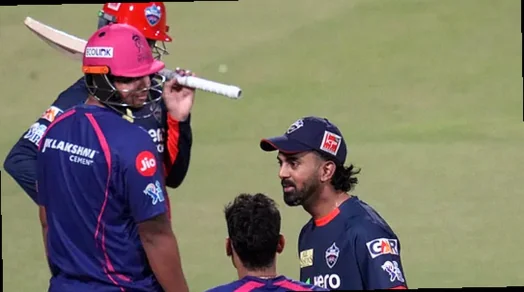
Delhi Capitals vs Rajasthan Royals, IPL 2026: Rajasthan’s rhythm has been missing for much of the past stretch, and the consequences are visible in the standings. Coming into this contest as they prepare for what is only their third match in 19 days, the Royals have gradually slid away from the playoff positions and are now in a mindset of chasing results. With 12 points from 11 games, their qualification hopes are still not out of reach; only three other sides are capable of reaching 18 points, which means two wins in the right window—starting here against the bottom teams—could put them back on track.
Still, there’s a dangerous twist that has shown up repeatedly across the tournament. When teams have little to lose, they often bring a sharper edge, especially against opponents who start tightening up and playing cautiously to protect their chances. This pattern was visible earlier this week when Mumbai Indians and Lucknow Super Giants produced results in situations where pressure looked heavy, and it was echoed again in the way Delhi Capitals turned up at Dharamshala earlier in the week. Delhi, for all their own situation, remain technically in the race, but they require a chain of setbacks from teams above them. In other words, the Royals can’t afford to assume that the match will be straightforward simply because their opponents are under pressure.
At the Arun Jaitley Stadium, though, Delhi’s approach is clearly being shaped by long-term thinking. Captain Axar Patel has already made it known that the franchise is looking toward what comes next, even while this season still offers something to play for. That perspective has produced encouraging moments, particularly with the opportunity given to younger players. Sahil Parakh and Madhav Tiwari’s involvement sparked a noticeable change in Delhi’s tempo, and the result was a performance in which Punjab Kings were kept relatively under wraps before Delhi chased down a 211-run target—an innings where Axar himself finally rediscovered some batting form after a difficult phase earlier in the campaign.
Rajasthan’s problems, meanwhile, are not limited to one department. Their batting has been inconsistent, and their bowling has struggled to find rhythm at the level they displayed earlier in the tournament. Against that backdrop, Vaibhav Sooryavanshi will be one of the key names to watch, with the smaller boundaries at Delhi’s venue likely to suit his power game. Just as importantly, Sooryavanshi will carry motivation from the reverse fixture in Jaipur, where Kyle Jamieson bowled him out and then celebrated in a way that left the moment with a personal edge. If the Royals are to swing momentum quickly, Sooryavanshi’s timing will matter.
Selection questions also add a layer of uncertainty for Rajasthan. Their captain, Riyan Parag, remains a doubt, and the last match saw Yashasvi Jaiswal step in as captain during his debut in that role. At this stage of the season, Rajasthan will want to field their strongest combination possible, and that includes ensuring their bowling unit is operating at full intensity. Jofra Archer’s last outing was far from ideal—he conceded runs early and struggled to settle—which means the Royals will be hoping for a much cleaner start and a better overall rhythm from their pace spearhead.
Delhi, for their part, are likely to continue leaning into an aggressive, slightly free-flowing brand of cricket—one that can unsettle opponents and create pressure even when the match is tight. Tristan Stubbs will be a focal point in the batting order, with the tournament having been relatively quiet for him so far, and he’ll want to turn that around at the right time. Parakh also has a chance to make a statement for next year, as every innings now carries additional weight.
The bowling matchup is another intriguing subplot. A key decision for Delhi will be whether they stick with the pace-heavy look once more, particularly with question marks hanging over the current form levels of Kuldeep and Vipraj. If Delhi’s spinners are not at their sharpest, the balance might shift toward faster options, but it will come down to how quickly the pitch and conditions help them get wickets.
Ultimately, it’s a contest that feels like it carries urgency for both sides, but the emphasis is heavier on Rajasthan. It’s a match they can’t afford to drop if they want to keep destiny within their own control, while Delhi’s motivation is sharpened by their willingness to look ahead—yet still fight for whatever remains possible in the playoff race.
