
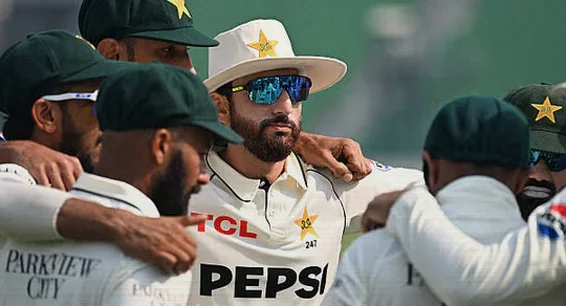
Pakistan’s most recent Test loss in Bangladesh has spilled into the dressing room, with reports suggesting head coach Sarfaraz Ahmed snapped at the squad after the red-ball side were swept 2-0. The defeat has reignited debate about where Pakistan’s Test program is headed, not just in terms of results, but also in leadership, batting mindset and how the team handles key moments when matches tilt.
Bangladesh completed their first-ever Test series whitewash against Pakistan by winning the second match in Sylhet by 78 runs, following a 104-run triumph in the opening Test in Dhaka. The back-to-back defeats left Pakistan under scrutiny for how they approached their batting, how their senior players responded in pressure phases, and whether they could consistently manage the decisive stretches that often define Test cricket.
Reports from Telecom Asia Sport claim Sarfaraz’s frustrations boiled over during a full-squad meeting held after the Sylhet loss, with manager Naveed Cheema and other support staff present. Sarfaraz was quoted telling the group that they should put the team first, adding that batters in particular needed to focus less on personal milestones and more on executing roles required to win.
The report further stated that Sarfaraz was unhappy with the way Pakistan’s batters approached the series. The criticism, as described, was that several players appeared to be prioritising individual output over what the match demanded. Pakistan did show resistance at different stages, but the senior batting group failed to deliver a performance that could properly swing the contest in their favour.
In the quoted remarks, Sarfaraz pointed to the lack of responsibility from experienced players, saying individual performances can be positive, yet they must serve the team rather than simply reflect personal numbers. He also highlighted a broader concern about direction, claiming other teams were making progress while Pakistan’s development appeared to be going backwards.
The outburst comes after a series in which Pakistan could not fully impose themselves despite having opportunities in both Tests. In Dhaka, they were dismissed for 163 in the fourth innings while chasing 268, and although they started the chase in the second Test with more intent, they still fell short. In Sylhet, Pakistan were set 437 and reached 358, but the opposition’s momentum at the crucial end proved too much, leaving another defeat on the ledger.
While the senior batting line faced most of the heat, Mohammad Rizwan’s 94 in the second innings of the Sylhet Test did at least slow Bangladesh’s march to victory. However, it did not change the final outcome. There were also brighter moments, including a century from debutant Azan Awais in the first Test, though the larger issue remained that Pakistan’s more seasoned group could not consistently take control of the game when it mattered.
Bangladesh, meanwhile, drew strength from match-shaping contributions from their experienced names. Litton Das and Mushfiqur Rahim scored hundreds in the second Test, and Taijul Islam’s six-wicket haul in the final innings shattered Pakistan’s resistance and completed the historic sweep.
The series result has also increased pressure on Pakistan captain Shan Masood, who apologised after the loss and indicated that the decision regarding his future will be made by the Pakistan Cricket Board. With the campaign now over, Pakistan’s Test unit faces a difficult list of questions: whether the shortcomings are rooted in leadership, a failure of batting discipline, issues within the dressing room, or a deeper decline in how they approach Test cricket.
In that context, Sarfaraz’s reported confrontation appears to be more than a reaction to one defeat. It is being framed as a direct criticism of Pakistan’s overall approach—especially from a batting unit that looked capable of surviving certain periods but could not consistently craft innings that shape matches.
