
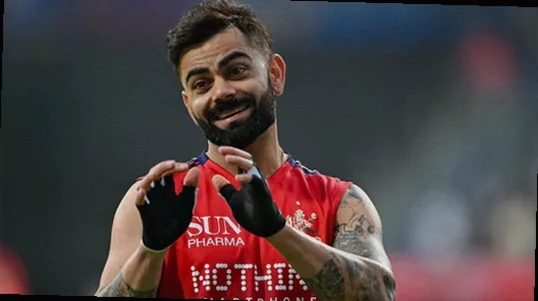
When Virat Kohli joined Royal Challengers Bengaluru back in 2008, it changed the rhythm of both the franchise and the IPL itself. Almost twenty years later, he is still the only cricketer to have worn the colours of one team for the entire lifespan of the tournament’s franchise era, staying with RCB through frustrating phases and eventually reaping the reward with a long-awaited trophy win last season. The curiosity around his journey is even sharper when you look at how it all began. After steering India at the U19 World Cup, Kohli entered the auction process with his name on the uncapped list. Delhi Daredevils—now Delhi Capitals—held the first selection in that draft, but they chose left-arm quick Pradeep Sangwan instead of taking Kohli.
At the time, the decision seemed sensible rather than shocking. Kohli was on the rise, but the impact he would later create was still something few could fully predict. Yet from today’s perspective, that moment reads like one of the tournament’s biggest “what if” scenarios. As Kohli developed into a prolific run-scorer and became the face of modern Indian cricket, Delhi’s choice has repeatedly been revisited, with many viewing it as a rare miscalculation that helped shape IPL history in a way that can’t be undone.
Sehwag explains why Kohli missed out in 2008
Virender Sehwag, who captained Delhi in their very first IPL season, later revisited the early squad-building logic that kept a young Kohli out. He pointed to a top-heavy batting line-up, featuring himself and other established names such as Gautam Gambhir, Tilakratne Dilshan and Shikhar Dhawan. With so many batters competing for roles in the top order, Delhi leaned toward adding a bowler rather than spending an opening slot on Kohli. The decision, Sehwag suggested, was rooted in how the batting cards were already stacked.
Sehwag also offered a glimpse into how their batting order was arranged in that inaugural campaign. He recalled that Shikhar Dhawan and Tilakratne Dilshan were both in the group and were naturally viewed as openers, but because Sehwag and Gambhir were the ones setting the tone at the start, the team often moved those two into positions three and five. Manoj Tiwary occupied the number four role, leaving limited room for additional top-order talent. In that setup, Kohli—at the time batting around three or four—couldn’t be comfortably accommodated. With the bowling requirements not fully addressed, Delhi therefore opted to bring in Pradeep Sangwan instead of Kohli.
“So at Delhi Daredevils back in 2008, the inaugural IPL season, I remember Shikhar Dhawan was also in our team along with Tilakratne Dilshan. Both of them were openers, but we used to make them bat at three and five because Gautam and I used to open the innings. Manoj Tiwary had taken the number four spot. So we had a lot of top-order batters in the team, and it was becoming difficult to fit all of them in the batting order. At that time, Virat Kohli was also batting at number three or four. So we didn't even have space to bring him in. We lacked a bowler, so we decided to go with Pradeep Sangwan instead of Kohli,” Sehwag said.
Virat Kohli leading the Orange Cap race
Even in his 19th IPL season, Kohli’s numbers show he has no intention of slowing down. He is currently at the top of the Orange Cap standings, collecting 228 runs across 5 matches at a strike rate of 158.33. Those runs at the top of the order have played a key role in Royal Challengers Bengaluru’s title defence, which has begun in a strong fashion, with four wins in their first five games.
