
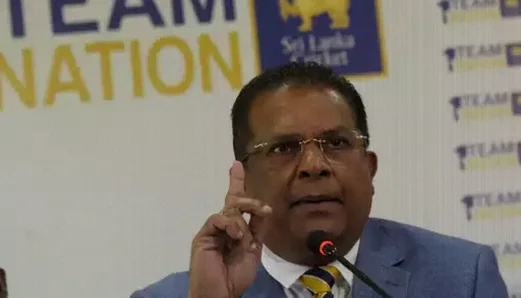
Shammi Silva has stepped down as the long-time president of Sri Lanka Cricket (SLC), bringing an immediate end to his tenure that began in 2019. The resignation follows mounting pressure for a shift in leadership at the national cricket board after the Sri Lankan president, Anura Kumara Dissanayake, made it clear that changes were needed within the country’s cricket administration. Alongside Silva, multiple SLC office-bearers have also resigned together, clearing the way for an interim set-up to run the board while new elections are expected to be held.
Resignation and the interim handover
In an official statement, SLC confirmed that Silva submitted his resignation from the post with immediate effect. The board also said that the office-bearers and members of the Executive Committee have handed in their resignations as well, aligning with a decision taken earlier.
- Shammi Silva resigned as SLC president, effective immediately.
- The SLC said the office-bearers and members of the Executive Committee also submitted resignations.
- The resignations are designed to pave the way for an interim body to take charge.
The statement added that the decision was formally communicated to President Anura Kumara Dissanayake and to Sunil Kumara Gamage, the Minister of Youth Affairs and Sports.
Decision taken after SLC executive meet
The resignations came after a meeting of the SLC executive committee held on Tuesday. It was at that meeting that the group decided to step down in unison, leading to the immediate resignation of the president and other leading officials.
Who could lead next, and why the government is stepping in
With the board now set for an interim arrangement, government nominee Eran Wickramaratne is expected to take over the SLC in an acting capacity. Wickramaratne, a former minister who is currently aligned with the opposition, is the name being linked to the interim role.
Reports point to the struggling results of Sri Lanka’s men’s national team as a key factor behind the government’s move to intervene in cricket administration.
- Eran Wickramaratne is expected to lead the SLC on an interim basis.
- Reports cite the declining performance of Sri Lanka’s men’s national team as the trigger for government action.
Sports law, ICC charter, and what happens next
The government’s authority is tied to Sri Lanka’s Sports Law of 1973, which gives the Sports Minister the power to dissolve sports federations. However, any government action affecting an elected national body is, in principle, inconsistent with the framework of the International Cricket Council (ICC) charter.
While how the ICC will respond remains uncertain, reports indicate that the world governing body has already been informed. Those reports also say the ICC was given an assurance that elections will be conducted soon.
- The Sports Law of 1973 empowers the Sports Minister to dissolve sports federations.
- Government involvement in an elected national body is viewed, in principle, as conflicting with the ICC charter.
- Reports suggest the ICC has been briefed and told elections will happen shortly.
