
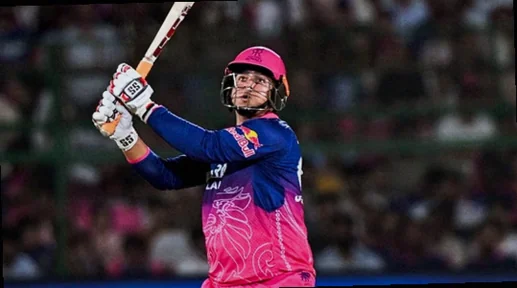
Just when it looks like Vaibhav Sooryavanshi has already received the biggest compliment of his young career, another arrives. The teenage batting sensation is currently creating headlines across cricketing hotspots—India, England and Australia included. While comparisons to established superstars often start the conversation, this time the focus stays firmly on the 15-year-old’s performances and the way he continues to pull attention from every corner of the sport. Even though he slipped behind in the Orange Cap race after quick cameos, one major innings—an explosive 93—has pulled him back into contention.
Key takeaways
- Vaibhav Sooryavanshi regained the Orange Cap after a match-defining knock of 93.
- Despite falling behind earlier in the Orange Cap race, his earlier quick 40s were followed by the big innings that changed the momentum.
- Cricket figures and opponents—including bowlers—have praised Sooryavanshi for his ability to keep producing runs.
- Lucknow Super Giants head coach Justin Langer approached Sooryavanshi for a photo after the match and delivered high praise in the post-match press conference.
- Langer compared Sooryavanshi’s potential and adaptability to Sir Don Bradman, suggesting he would learn and keep improving as he faces more challenges.
Sooryavanshi’s rise: runs, respect and growing fear among bowlers
The storyline around Sooryavanshi has shifted quickly from “talent” to “impact.” In a short span of a little over a year, he has earned the type of respect that rarely comes without sustained pressure on opponents. The praise is not limited to fans or pundits; it is coming from the very players he has been up against. Mentions of Pat Cummins, Jos Buttler, Kyle Jamieson, Kagiso Rabada and Mitchell Starc are part of a growing list of bowlers who have expressed admiration for the way the teenager plays.
Langer’s Bradman comparison after LSG’s defeat
Justin Langer became the latest prominent voice in Sooryavanshi’s expanding fan club. After the contest, the Lucknow Super Giants coach did more than just offer compliments—he approached the youngster for a photo and then spoke in glowing terms about his development. Langer’s standing in Australian cricket adds weight to his message; he has not only been one of the most respected figures in the country’s game, but also served as Australia’s head coach during a period that included the team’s dominant stretch from the late 1990s to the mid-2000s.
In his post-match discussion on Tuesday, Langer stressed that the most reliable way to learn batting is to keep making runs, rather than relying on the illusion of big hits. He also pointed to what he noticed from the reactions of top pacers and bowlers—Mitch Starc and Anrich Nortje were specifically referenced—suggesting that the next stage of Sooryavanshi’s growth could be even more frightening.
“The scary thing is, the best way to learn how to make runs is to make runs, not by hitting some big sixes, and Sooryavanshi makes runs over and over and over again. The scary thing going forward, if the expressions on the face of Mitch Starc and Anrich Nortje and every bowler tell a story now, what about when he learns how to bat? My gosh, he’s so young. He’s a brilliant, brilliant player and it’s a real privilege to watch him bat actually,” Langer said during the press conference after LSG’s defeat to Rajasthan Royals.
From Tendulkar and Kohli comparisons to Bradman-level expectations
Sooryavanshi’s batting has already drawn comparisons with some of the biggest names in cricket at such a tender age. At just 15, the conversation has repeatedly returned to Sachin Tendulkar, with Virat Kohli also frequently mentioned as part of the “elite” bracket. Langer then went further, bringing up the most iconic batting figure of all time—Sir Don Bradman—to explain why his confidence about the teenager is so high.
Langer addressed the common debate about whether a batter like Bradman would have produced similar numbers in modern conditions, where helmets and contemporary safeguards are part of the game’s landscape. His point was that Bradman would have adapted, and that Sooryavanshi has shown the kind of mindset that allows a player to adjust and keep progressing as the challenges evolve.
“You know, people say to me, would Bradman have made so many runs in the days where, you know, they could wear helmets or blah blah blah, and I’d say, well, he would adapt. And Sooryavanshi’s that good. Wherever he plays, he’s going to adapt his game because where are they going to bowl to him? I don’t see where are they going to bowl to him. So he’ll adapt, he’ll keep getting better and better, which is scary for world cricket,” added Langer.
Why Bradman remains the benchmark
Sir Don Bradman is widely viewed as the greatest batter to have played the game. His career batting average of 99.94 across 52 Tests is a figure that still feels untouchable. His technique is often described as the gold standard of batting from his era. Even though there is continuous discussion about how he might have handled modern-day cricket, the argument for adaptation remains strong—especially because many of Bradman’s achievements have survived the passage of nearly a century without losing their aura.
Among the feats that continue to fuel cricket folklore are his 974 runs in a five-match Ashes series against England, 715 runs in Australia’s initial Test series against India, and his Ashes totals of 810 and 758 in two other campaigns. Those numbers remain etched into cricket history and are frequently used as the measuring stick for greatness—making Langer’s comparison all the more striking when applied to a teenager in 2026-era cricket.
