
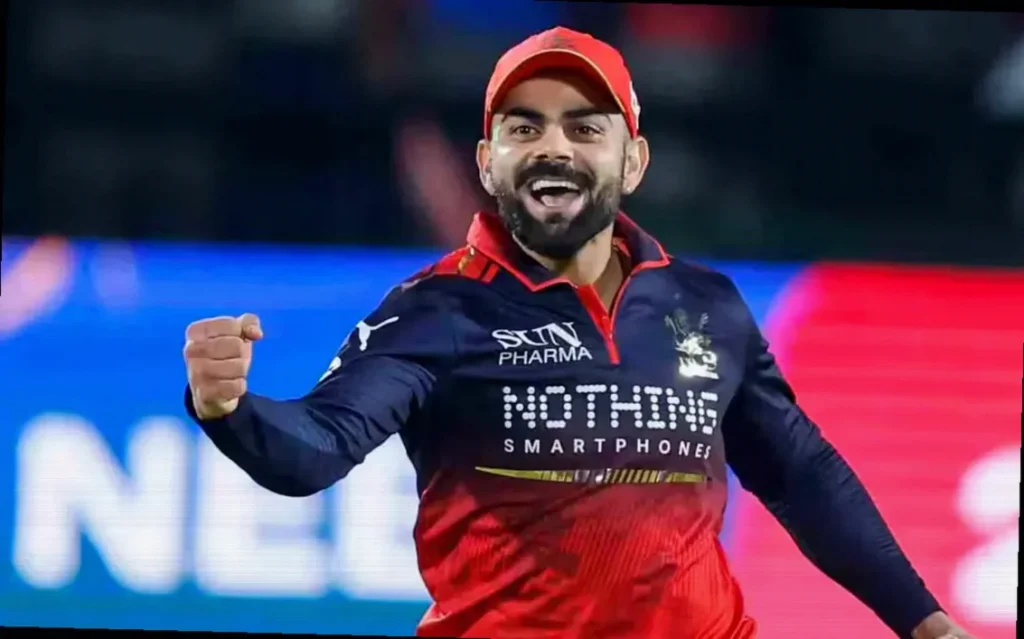
Virat Kohli opened up on leadership, pressure and the mental approach required to perform at the very top during one of the headline sessions at the RCB Innovation Lab Indian Sports Summit Powered by Leaders. In a conversation titled “Mind Over Everything: Virat Kohli on Peak Performance”, the former India captain stressed that his best work often comes when he is driven by something bigger than his own game, rather than focusing solely on individual strengths.
Key takeaways
- Kohli said he thrives when he is given greater responsibility and a heavier workload.
- He argued that playing for a wider purpose can push him beyond what he believes are his natural limits.
- Kohli credited Rahul Dravid and Vikram Rathore for supporting his mental state during his international stint.
- He described his fitness routine as “refinement” rather than sacrifice.
- He defined lasting impact as helping others build belief through discipline and handling pressure.
- The summit also explored growth themes around the IPL and WPL, along with fan experience improvements at M Chinnaswamy Stadium.
Leadership and “purpose” behind Kohli’s peak mindset
Looking back on what powers his chasing mentality and his pursuit of excellence over nearly two decades in international cricket, Kohli explained that his mindset is built to seek more accountability. He described himself as someone who naturally wants additional responsibility and the intensity that comes with it, adding that this is where he feels most effective.
The batting great then linked performance to leadership and purpose, suggesting that the ability to focus outward helps him avoid overthinking. “You have no time to think about yourself,” Kohli said, highlighting the freedom that comes with that mindset. He added that if he can align his role with a broader cause and a larger objective, he believes he can produce results beyond the capabilities he thinks he has.
Learning from Dravid and Rathore, and redefining fitness
Kohli also recalled his period working with Rahul Dravid and Vikram Rathore as part of India’s setup. He said that every time he meets them, he feels grateful because they looked after him in a way that made him feel motivated to play for them. Kohli emphasised that they understood what he was experiencing and supported him mentally, which he felt helped him enjoy his cricket again.
On fitness and longevity, Kohli rejected the idea that giving up things can be labelled as sacrifice. He said people use that word when one lets go of certain comforts, but he views the process differently—calling it refinement. For him, the core principle is staying truthful to the opportunity itself, noting that there are “lakhs” of people who want to be in the position of representing India and competing at the highest level. Because of that, he felt it should not be treated as something extraordinary, but instead as a standard that helps a sport develop its culture.
Impact beyond numbers and the wider summit agenda
Kohli further reflected on how athletes can influence beyond performances and statistics. He said that for him, impact now means creating belief. If others can see the journey, the discipline, and how someone responds under pressure—and then feel inspired to apply similar principles in their own lives—that, he said, is the most rewarding outcome.
The summit featured discussions on the commercial growth of the IPL and WPL, India’s Olympic aspirations, and ways to enhance the fan experience at M Chinnaswamy Stadium. Among the participants were Hari Ranjan Rao (IAS), Secretary of the Department of Sports, Government of India; Seemant Kumar Singh (IPS), Police Commissioner of Bangalore; Vamsi Krishna, Joint Police Commissioner – West, Bengaluru City Police; and Sandeep Agrawal, Head of Group Corporate Finance at the Aditya Birla Group.
RCB representatives also took part, with Rajesh Menon (CEO) and Mo Bobat (Cricket Director) joining the session. Together, the speakers shared perspectives on the evolving Indian sports landscape, including infrastructure priorities, governance models, the process of building championship squads, and the need for long-term investment in sports ecosystems.
