
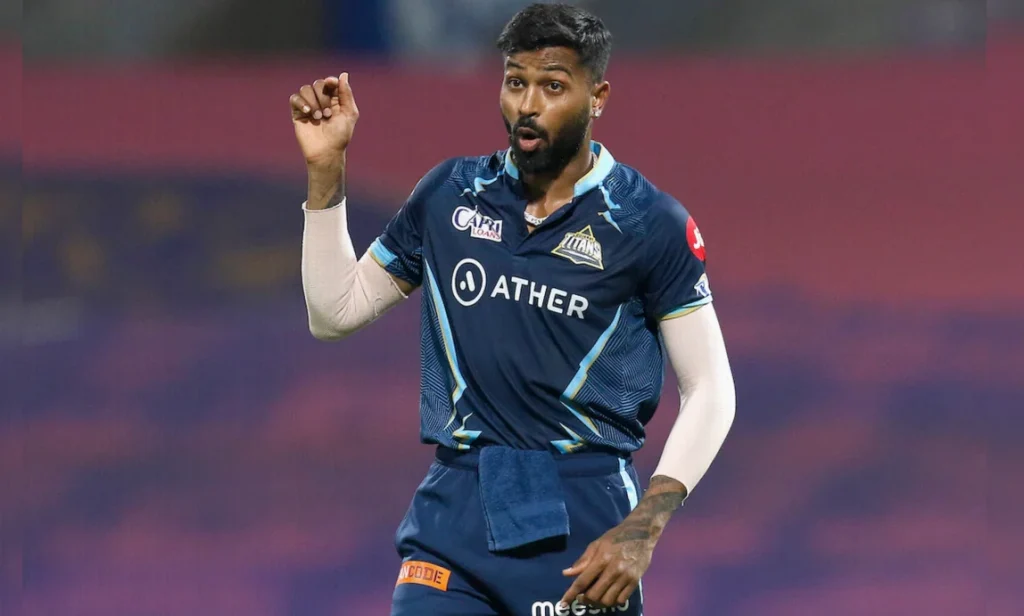
Former India pacer Lakshmipathy Balaji has heaped praise on Gujarat Titans’ bowling unit, singling out Jason Holder, Kagiso Rabada and Mohammed Siraj. In his discussion, the ex-fast bowler also suggested that GT have successfully filled the void left by Hardik Pandya. Hardik’s stint as captain is central to that comparison, with the franchise having won the championship in 2022 under his leadership and reaching the final the following season.
Quick facts
- Balaji believes GT have found a replacement role after Hardik Pandya.
- Hardik captained Gujarat for two seasons; GT won the title in 2022 and reached the final in 2023.
- Hardik’s all-round output across those two IPL editions: 487 and 346 runs, plus 11 wickets.
- Holder’s IPL 2026 figures for GT: 13 wickets in six matches.
- Rabada’s IPL 2026 figures: 21 wickets in 12 games.
- Siraj’s IPL 2026 figures: 13 wickets in 12 games at an economy rate of 8.23.
Balaji’s comments were delivered while analysing GT’s setup, with particular focus on Holder’s progression. He described the West Indies all-rounder as having improved his overall T20 skill set over the last couple of years, especially in the late overs where impact depends on both bowling execution and batting cameo potential. According to Balaji, Holder has developed the ability to turn pressure situations into quick bursts of runs, while also sharpening his role as a death-overs option.
To explain why GT look balanced again, Balaji said the side has finally slotted in the kind of function Hardik used to provide. In his view, Holder has become a key fulcrum—adding structure and balance to both the bowling plan and the batting resources. He framed it as a role that goes beyond wickets alone, pointing to how the all-round contribution helps the team play with more options.
Holder’s numbers back up that claim, with Balaji highlighting that the pacer-all-rounder has already taken 13 wickets in six matches for Gujarat this season. Balaji also drew attention to Rabada as another major contributor in the same campaign cycle, noting that the South African has struck 21 wickets across 12 games.
Meanwhile, Siraj has been equally central to GT’s wicket-taking rhythm. Balaji pointed out that the Indian quick has collected 13 wickets in 12 matches, maintaining an economy rate of 8.23 while keeping one end tight. He added that Siraj’s discipline and control have had a knock-on effect, making it easier for Rabada to operate at pace and strike when batters are forced into riskier shots.
Balaji further explained that Rabada’s effectiveness comes from how he uses his pace aggressively rather than over-relying on slower deliveries. He suggested that in earlier seasons Rabada had leaned too heavily on slower balls, but that this year’s speed signals he is operating at peak fitness. In Balaji’s assessment, Rabada’s role leadership—taking responsibility for early breakthroughs and maintaining aggression—has lifted the overall group performance.
On Siraj, Balaji felt his “impeccable control” has indirectly supported Rabada’s impact, especially when both bowlers are used in tandem. He then widened the lens to the broader unit, describing GT’s pace resources as a cohesive force alongside Prasidh Krishna and the same in-form Jason Holder. Balaji said that having these four working together creates an attacking identity that keeps the wicket tally moving.
He concluded by comparing the dynamic to the West Indies style from the 1980s—teams that attacked consistently and kept creating constant threats. In Balaji’s view, that combination of pace, pressure and constant intent has helped Gujarat establish what he believes is the best bowling attack in the competition.
