
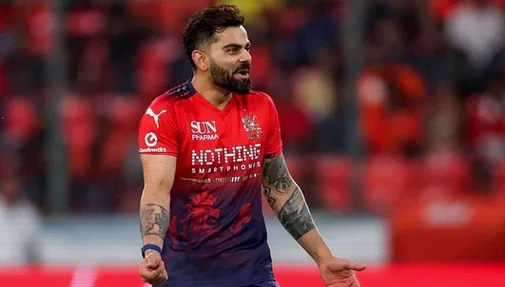
Virat Kohli is often held up as cricket’s modern fitness yardstick, with his transformation driven by discipline and relentless effort. He has previously described a decisive shift after IPL 2012, when he went back home feeling dissatisfied with his physical condition and resolved to overhaul his day-to-day routine. That choice set the tone for a long stretch of sharper training, more disciplined diet and a stronger focus on preparation—elements that helped raise not just his consistency, but the overall standard of his game. Over a decade later, Kohli’s intensity still stands out: his quick sprints to protect the boundary, his determination to chase down every ball in the outfield, and his commitment to running hard between the wickets. The fitness revolution that began for him after that turning point also influenced how many young Indian players approached athleticism, making training and conditioning central rather than optional.
Key takeaways
- Kohli has pointed to a lifestyle overhaul following IPL 2012 after he returned home unhappy with his fitness.
- More than ten years on, his on-field effort—especially his running and boundary-hunting—remains a defining trait.
- His childhood coach Rajkumar Sharma cited early-career dips and linked them to distractions, including the IPL party culture.
- Rajkumar said RCB’s high-profile gatherings and post-match parties were a regular part of life for young players.
- He also revealed he had to frequently correct and guide Kohli during those years so the batter stayed focused.
From IPL 2012 to a new fitness mindset
The transformation Kohli described after IPL 2012 became the foundation for how he approached the game thereafter. In his account, the dissatisfaction he felt on returning home acted as a trigger: instead of maintaining the same routine, he chose to rethink his lifestyle completely. That change translated into a more structured approach to fitness, diet and training, and it showed across his performances at the highest level. His fielding and movement—whether it was charging into the deep to chase deliveries or sustaining fast running between the wickets—reflected an intensity that did not feel occasional or performative, but built into his daily preparation.
Coach Rajkumar Sharma on early distractions at RCB
Rajkumar Sharma, Kohli’s childhood coach, recalled a period early in the batter’s career when his progress appeared to soften slightly. In that phase, he identified the tournament’s party atmosphere as one potential distraction. During the early years of the IPL, the league was widely associated with extravagant celebrations, celebrity attention and the influence of wealthy team owners, creating a glamour-heavy environment that extended well beyond the cricket itself.
Sharma said Royal Challengers Bengaluru—Kohli’s franchise since the beginning—was particularly linked with high-profile events and elaborate post-match parties. He noted that former owner Vijay Mallya was frequently seen as a prominent figure connected to that flamboyant culture, which became a talking point during the league’s early seasons.
Handling a teenager in a party-heavy setup
Rajkumar explained that the surrounding culture during those early IPL years made it hard for a teenager to stay fully away from distractions. He described how the franchise’s party scene turned into something young players in the setup were expected to experience regularly, effectively becoming part of their routine.
Speaking on the Express Cafe YouTube Channel, Sharma said the period was crucial in Kohli’s life and that once he was fortunate enough to be picked for RCB, the culture he encountered was centered on parties. He stressed that he did not blame Kohli, arguing that a 17- or 18-year-old could not realistically avoid such a culture when it was normalized and expected. Sharma also claimed that attendance at those meetings and events was essentially mandatory for everyone, making it difficult for a young player to resist the atmosphere.
He then added that during that time he had to work hard with Kohli, including scolding him frequently and providing close guidance to keep him on track. Sharma said he did several things that he could not reveal, explaining that his aim was to manage the situation and ensure Kohli remained focused rather than simply “controlling” him. He also said Kohli eventually understood his point of view—“by God’s grace”—and from that stage onward, he did not look back, fully settling into the mindset needed for consistent growth.
