
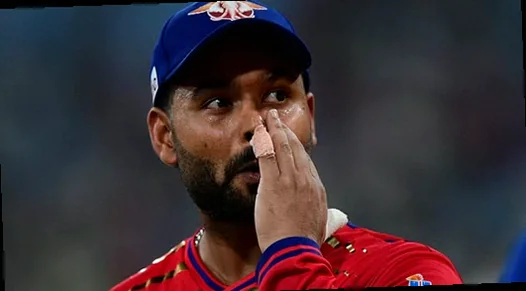
Lucknow Super Giants’ IPL 2026 story can be read in how forcefully the franchise went after marquee talent. This was not a build aimed at edging into the playoffs on the back of a few late surges. LSG invested with the intention of competing at the sharp end from the start—then watched the economics unravel when the most expensive pieces failed to deliver their priced level of impact.
Quick facts
- LSG auction spend: ₹117.70 crore; realised monetary value: ₹97.71 crore
- Final season ledger: ₹19.99 crore loss (83% recovery of spend)
- Six priciest players: ₹87.35 crore spent; ₹36.03 crore realised value; bracket loss ₹51.32 crore
- Marsh (₹3.40 crore) returned ₹20.12 crore value; profit ₹16.72 crore
- Prince Yadav (₹30 lakh) returned ₹8.15 crore value
- Lowest-cost bucket (₹4 crore or below): ₹26.15 crore cost; ₹58.68 crore value; profit ₹32.53 crore
- Pant (₹27 crore) returned ₹14.28 crore; recovery 52.9%; loss ₹12.72 crore
- Pooran (₹21 crore) returned ₹6.64 crore; recovery 31.6%; loss ₹14.36 crore
- Mayank Yadav (₹11 crore) returned -₹0.68 crore over four appearances; loss ₹11.68 crore
- Shami (₹10 crore) returned ₹4.47 crore; shortfall ₹5.53 crore
- Avesh Khan (₹9.75 crore) returned ₹0.61 crore; recovery 6.3%; loss ₹9.14 crore
The squad construction left little space for moral victories. Once the full season was complete, the analysis could no longer lean on “rolling” cost logic or the idea that future form might rescue the number. The completed auction bill had to be counted fully against the realised worth produced on the field.
By that method, LSG’s ledger closes at a ₹19.99 crore deficit. The franchise spent ₹117.70 crore in total and generated ₹97.71 crore in realised monetary value, translating to an 83% recovery of its auction outlay. For a team that built with contender-level spending, a near-miss is only convincing if the premium investments hold up—here, they didn’t.
Where the failure actually sat
The deeper issue wasn’t that every player collapsed. The loss came because the group expected to carry the season and justify the budget didn’t do either. LSG did receive repeated value from the lower-priced section—yet those gains were repeatedly pulled back towards the red by the expensive core, turning what should have been balance into drag.
Mitchell Marsh, Prince Yadav, Mukul Choudhary, Aiden Markram and Ayush Badoni were key in preventing the ledger from becoming far more severe. Their performances mattered, but they also highlighted the biggest structural flaw: LSG’s best money came from players who were not bought to define the campaign, while the players who were priced to carry it became the heaviest contributors to the deficit.
In short, LSG paid like a side aiming for the top tier and then played like a unit with uneven weight distribution—financially and on the balance sheet of value creation.
Premium group collapses in the ledger
The most damning split sits at the top of the auction table. LSG’s six most expensive players cost ₹87.35 crore and brought back only ₹36.03 crore in realised value. That single bracket produced a ₹51.32 crore loss, a figure too large for the rest of the squad to claw back over the course of the season.
Franchises can absorb the occasional misfire from an expensive pick, but they generally cannot stomach a premium group underperforming together—especially when that group was supposed to establish both the cricketing identity and the financial logic of the squad.
Rishabh Pant (₹27 crore) returned ₹14.28 crore in total worth, including captaincy value. Nicholas Pooran (₹21 crore) produced only ₹6.64 crore. Mayank Yadav (₹11 crore) ended with negative realised worth, Mohammed Shami (₹10 crore) returned ₹4.47 crore, and Avesh Khan (₹9.75 crore) managed just ₹0.61 crore. Josh Inglis was the only name among that top six to finish in profit, but one profitable premium player could not offset a bracket bleeding value across the rest.
Because the expensive core failed to create its expected floor, every surplus created elsewhere was forced into damage-control. Instead of premium performers stabilising the ledger and bargain picks raising the ceiling, the reverse happened: cheaper players offered the only meaningful protection, while the most expensive contracts weakened the structure they were meant to support.
Bargain value kept the season from turning worse
Mitchell Marsh was the clearest bright spot. Priced at ₹3.40 crore, he generated ₹20.12 crore in realised value and finished with a ₹16.72 crore profit. It’s the type of return that typically pushes a squad’s economics in the right direction. His surplus, however, was ultimately swallowed by losses elsewhere in the squad.
Prince Yadav provided another standout value win. Coming in at ₹30 lakh, he returned ₹8.15 crore across the campaign—an excellent outcome for the price. Mukul Choudhary cost ₹2.60 crore and produced ₹7.23 crore. Aiden Markram made 11 appearances and returned ₹4.54 crore against a ₹2 crore cost. Ayush Badoni also ended in profit, returning ₹6.02 crore for ₹4 crore.
These were precisely the sorts of contributions that should be expected from the lower and middle tiers of a franchise group: create surplus, deliver real value, and keep the season from turning into a full monetary wreck. Still, the harsher verdict remains—LSG had enough bargain wins to build a stronger final ledger, and yet finished close to ₹20 crore in loss because the premium end dragged the total down.
The lower-cost segment (priced at ₹4 crore or below) collectively cost ₹26.15 crore and returned ₹58.68 crore. That bucket produced a ₹32.53 crore profit. In isolation, it reads like strong auction work; across the full-season picture, it functioned more like a rescue mission. The cheap players behaved like assets, while the expensive players behaved like liabilities.
(Note: the original text also included an “Also Read” line referencing another team’s profitable failure, but no additional match details were provided within the supplied material.)
Pant and Pooran left a major hole
LSG’s season cannot be defended by the idea that Rishabh Pant produced some value. The model credits him with ₹14.28 crore in total worth, including ₹4.96 crore attributed to captaincy. But with a ₹27 crore price tag, the judgement becomes unavoidable: he recovered only 52.9% of his cost and finished with a ₹12.72 crore loss. For the most expensive player in the squad, that is a poor return.
Nicholas Pooran’s numbers were even tougher. He cost ₹21 crore, returned ₹6.64 crore, and therefore left a ₹14.36 crore loss, with recovery of only 31.6%. Together, Pant and Pooran cost ₹48 crore and returned ₹20.92 crore. Their combined deficit sat at ₹27.08 crore.
That figure goes a long way towards explaining the overall shape of LSG’s failure. Marsh, Prince Yadav, Mukul Choudhary and Markram created positive value, but their work was required to cover the gap created by two of LSG’s biggest batting investments. A side cannot spend ₹48 crore on two premium batting names and receive less than half that value back.
Bowling spend became a financial disaster
LSG’s pace investment made the situation worse. Mayank Yadav, Mohammed Shami and Avesh Khan cost a combined ₹30.75 crore and generated only ₹4.40 crore in realised worth. For a pace group expected to provide wickets, pressure, availability and control, that return is catastrophic.
Mayank’s ledger is the starkest. He cost ₹11 crore and finished with -₹0.68 crore in worth across four appearances, leaving a ₹11.68 crore loss. Avesh Khan cost ₹9.75 crore and returned ₹0.61 crore, recovering just 6.3% of his price. Shami was better than the others in the group, but still far below what a ₹10 crore player typically needs to deliver—he returned ₹4.47 crore and finished ₹5.53 crore short.
The split in departmental impact underlines the construction problem. LSG’s batting impact was 2330.97, while their bowling impact was only 650.11. The expensive pace group was supposed to lift the weaker department, yet LSG gained more bowling value from cheaper options such as Prince Yadav—while the bowlers who were paid to shape the budget contributed far less against their cost.
LSG did find useful bowling value, but they found it away from the high-priced contracts. The heavy pace investment did not translate into the financial support the ledger needed. When a team spends more than ₹30 crore on three pace options and receives ₹4.40 crore back, that isn’t luck—it’s a season badly hurt by its own construction.
The final verdict
LSG’s completed-season monetary ledger ends with a ₹19.99 crore loss after charging the full ₹117.70 crore auction cost. They generated ₹97.71 crore in realised value and recovered 83% of what they spent.
Those figures do not read like a side that was close to getting it right. They point to a poor team that still produced some profitable pieces. Marsh was excellent value, Prince Yadav was a standout bargain, and Mukul Choudhary, Markram, Badoni and Inglis all delivered useful returns. But those wins were outweighed by the expensive players failing too badly.
Pant and Pooran together left a combined ₹27.08 crore hole. Mayank, Shami and Avesh turned a ₹30.75 crore pace investment into just ₹4.40 crore of realised value. The cheaper players made money, but the premium players lost more of it.
That is the blunt reading of LSG’s season: they spent like contenders and produced like a flawed, poorly balanced side. Their value came from the wrong end of the auction table, their biggest names did not justify the ledger, and once the full auction bill was due, there was no hiding place left.
Method note
This analysis is built on LSG’s completed-season monetary ledger using a model designed exclusively for the exercise. Since the IPL 2026 campaign is over, the full auction cost is charged rather than using rolling per-match cost logic. The “monetary worth” figures are model-based estimates meant to evaluate cricketing return against auction investment, not official salary accounting.
